I Lost My Baby — A Shocking 40% of Moms-To-Be Will Miscarry: Here’s What Not to Say
The only appropriate responses are simple but often misconstrued due to the stigma of this profoundly personal experience.
Consider it an honor and a sign of deep trust when someone shares the news of a miscarriage with you.
Despite significant progress in addressing social issues, it remains surprising that something as common as miscarriage continues to be a sensitive and uncomfortable topic. Approximately 40% of women will encounter this profound loss, making it a statistic demanding our attention.
Think of it this way: your parents might have gone through a miscarriage before they gave birth to you. Or your aunt might’ve gone through a miscarriage before giving birth to your cousin. It’s not impossible.
A surprising but significant amount of people you meet will have personal experience with early pregnancy loss. Miscarriages are as old as time.
Medical insights reveal that while known miscarriages occur in 10–20% of pregnancies, the actual figure might surpass 30%. Early miscarriages often mimic regular periods, making it challenging to identify.
My chemical romance
My journey involves a chemical miscarriage, a loss that transpires before the five-week embryo development mark. I loved someone I never got to meet.
Many miscarriages can occur even after a heartbeat is detected or, sadly, even suddenly in seemingly healthy pregnancies.
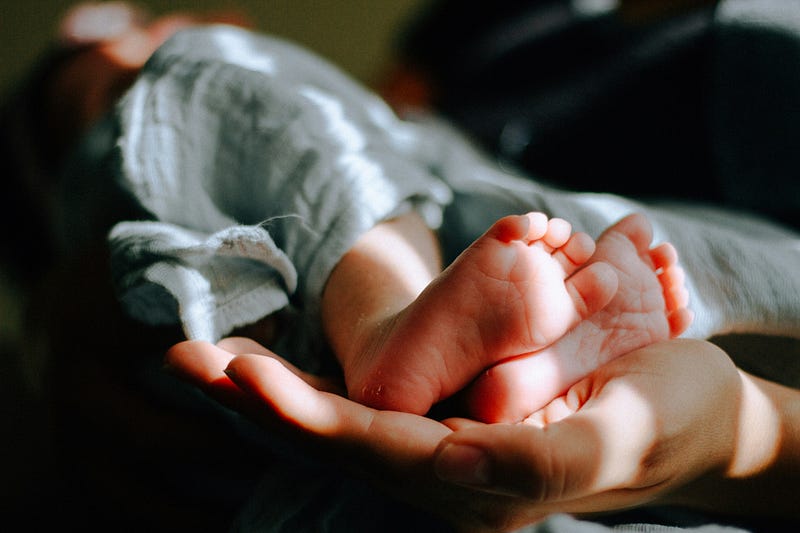
There are endless things to say about this topic, but today, we’re going to focus on what not to say when someone shares their miscarriage experience.
First, I’ll start with a quick story.
In 2022, I met a young vascular surgeon whose wife experienced a traumatic miscarriage alone in their home while he was quarantined at the hospital caring for patients with COVID-19. His wife was also a doctor; both were less than 35 years old and had no major health issues. More than the average person, they understood the medical intricacies surrounding this loss.
Advanced maternal age describes a pregnancy where the birthing person is older than 35. Pregnant people over age 35 are more at risk for complications like miscarriage, congenital disorders, and high blood pressure. Screening tests can help detect certain genetic disorders. Source: Cleveland Clinic

During a college reunion, my husband felt safe enough to tell the young surgeon about our miscarriage.
It was still fresh on our minds because it had only been a few days since I passed all the fetal tissue in our bathroom.
A chemical pregnancy is a very early miscarriage that usually happens before five weeks gestation. Many who experience a chemical pregnancy may not know they miscarried or that they were even pregnant. Source: Lancaster Health
Early miscarriages can look just like a period. I should know because my second miscarriage looked just like that, and it happened two weeks after my missed period.
Both losses happened when I was younger than 35 years old.

These statistics are the reason couples don’t typically share news of their pregnancy until after the first trimester, which is when the chance of miscarriage drops significantly.
They wait to tell people to avoid uncomfortable conversations. In other words, they do this to prevent your discomfort and not have to re-live their loss.
What to Avoid Saying When Someone Shares Their Miscarriage Experience
There are only two answers to this.
- Do not give your advice or opinion
- Do not say anything other than “I’m so sorry for your loss.”, alternatively, you can share your own experience with miscarriage (if you’re comfortable enough)
Let’s go into more detail.
1. Do not give advice or your opinion.
You’d be surprised how many people tried to give me solutions first. However, I understand that conversations like this are not common sense. How can it be?
We as a society are so silent about miscarriages, and to make matters worse, our country is divided on the topic of anything fetus-related.
Regardless, the most aggravating response to the sad news is anything with advice or opinions. People sometimes resort to this because they want to seem helpful or are uncomfortable and don’t know what to say.
For instance, someone may try to relate by sharing how their friend chose to undergo IVF (in vitro fertilization) to conceive. I can almost guarantee that suggesting a $20,000 — $30,000 fertility solution like IVF is not what any pre-mom or pre-dad wants to hear after a pregnancy loss.
“I’ve learned that people will forget what you said, people will forget what you did, but people will never forget how you made them feel.” - Maya Angelou
On the bright side, I deepened my bond with people who expressed their condolences thoughtfully. On the downside, I immensely resented those who tried to give me advice.
For instance, giving advice when someone reveals their family member’s passing is a terrible thing to do, and the same applies to discussing a miscarriage. Offering your thoughts may unintentionally cause more harm than good, as both situations involve irreplaceable losses.
Here’s my personal experience with this.

My older sister went through a high-risk pregnancy with no significant complications. Her response to my loss was, “Maybe it was the birth control you took before.” Not only is that claim not backed by any science, but telling someone going through a loss was inappropriate.
This highlights how even people who’ve known you all your life can mishandle the news, well-intentioned or not.
I don’t regret thinking I could trust someone like my sister, but my mistake was trusting the wrong people with something deeply personal. I‘ve known all my life that she had never been someone with strong social or emotional intelligence.
For those going through a similar experience, we’re so sorry. We recommend telling only people you trust 100%. Until the stigma of miscarriage changes, the priority will always be to protect your mental health and process any feelings of grief. This applies to men and women.
My sister blocked me shortly after our conversation — an extreme but not impossible example of the destructive powers this tragedy can have on relationships and how widespread misinformation on the topic will continue to strain connections and hinder genuine understanding.
2. Anything other than “I’m so sorry for your loss.”
There’s a grieving process involved. The only acceptable thing to say when someone tells you they’ve experienced a miscarriage is either your own story of loss or sending your condolences by saying, “I’m so sorry for your loss.” Nothing else.
The reason sharing your personal story about early pregnancy loss can be helpful is because it can make the loss feel less isolating for the person telling you the news.
And that’s it! As I said, it’s pretty simple.

Takeaways
In wrapping up, it’s clear that the discussion around miscarriage is still shrouded in silence and misinformation, even in our modern and progressive society.
I hope this spreads the message that the prevalence of early pregnancy loss is strikingly high, challenging the way we perceive and address this profoundly personal experience.
In a world where we’ve made incredible strides in medicine and social issues, it’s disheartening that miscarriage often lingers in the shadows. It’s not just an inconvenience — it’s a profound loss and deserves acknowledgment and support.
So, as we continue to share our stories, dispel myths, and offer genuine support, let’s redefine the narrative around miscarriage.
Let’s create a space where vulnerability is met with understanding, and the strength to overcome challenges is celebrated.
Thank you for reading!
About Tiny Sesame
Tiny Sesame was started by two longtime friends who aim to foster support and empowerment on the journey to parenthood. We understand the challenges others may face when balancing life and family. We are leaders within our respective industries; one owns a six-figure government advisory firm, and the other works in finance, recently helping a billion-dollar fintech company go public.

Join our compassionate community of individuals navigating the complexities of fertility. Together, we share stories, insights, and expert guidance to inspire hope, resilience, and connection.
Whether you’re exploring fertility options, facing challenges, or celebrating success, this is the space to find understanding, resources, and a community that genuinely cares.