
“I Don’t Write Fiction!”
Overcoming my limitations
When people would ask me what kind of things I liked to write, I’d tell them, “A variety of things, but not fiction! That’s not my bag,” or words to that effect.
That was until I decided to attend a writer’s workshop in another city. Lo and behold, one of the speakers was a novelist, and one of our tasks was to write a short story. I wanted to hide my head in the sand and somehow get out of it. No excuses convinced our teacher, who reminded me, “Fiction is based on real life.” That relieved me. No fantastic details required, such as dragons or space ships, no impossible plot.
An idea began to form itself in my mind. My husband and I had recently visited an indigenous area of Mexico where his parents grew up. While staying in a relative’s home, we had unearthed some of his Mom’s old letters to a sister. There I learned more about that aunt’s story; she had remained single and lived and worked with relatives in the town. Asking around, we found that she had been treated more like a servant and suffered physical and emotional abuse.
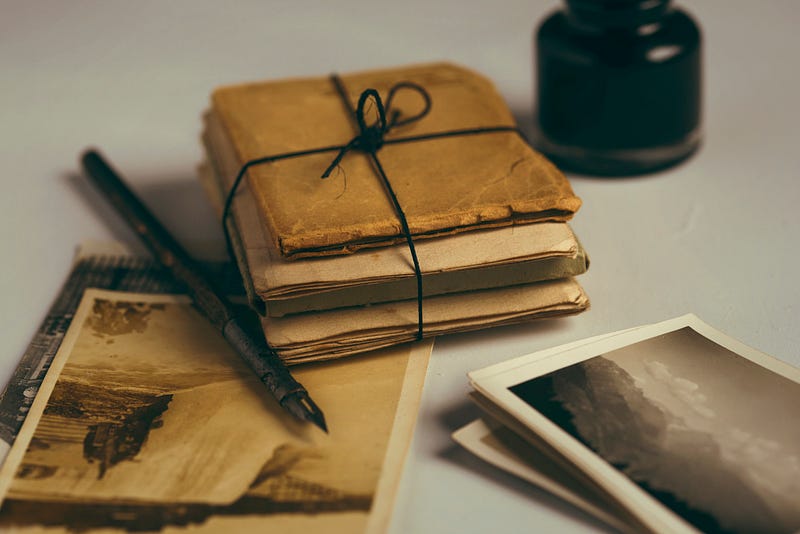
My husband told me how his Mom had invited her sister to leave that situation and go live with her and her family. Her letters also shared the new vision and faith she had found, far from her homeland. I began to wonder what life might have been like if “auntie” had taken the leap and left her abusive situation. A story began to take place.
My hands began to fly as I began to put pieces of “the new story” together. It was challenging to think about aspects of the native culture and the realities of country life many decades ago. For example, with no clinic nearby and no roads, children in particular, could die after a scorpion bite because of the distance to a hospital. My son, who knew quite a bit of the native language, helped me with some words to make the narrative more authentic.

Excited, I turned in my first short story. Before long, our workshop leader returned it with suggestions. Could I add details here? Avoid repeating words there? Improve character description? Whatever… I can’t quite recall her comments, but I was definitely discouraged.
Then I shared my writing with my son, who insisted such and such a scene was not congruent with the culture. And besides, his grandma would never have written a letter with spelling errors like the one in the story had! I reminded him that it was, in fact, fiction, simply inspired by some real events and people. These remarks by second persons made me put my story on the back burner. (I am an expert in “back burner” projects!) The fact was confirmed: I couldn’t write fiction.
After a few months or so, both my mentor and my son got around to asking me what had happened to my work in progress. They encouraged me to make another go of it, so finally I took their suggestions and polished my story. My teacher published it in a small magazine. To this day, I can hardly read it without crying, because it is so moving to me, as if another person had written it.
There are a number of lessons I received from this experience that should motivate others too:
Don’t say “I can’t” until you’ve tried… and tried again. As Bryan Hutchinson says in his book Inspired Writer, “Let go of fear.”
Take those words of advice from others as what they are, constructive and not negative criticism. Bryan reminds us: “Your first draft is a diamond in the rough.” Any ideas that will help us polish it are worth listening to.
Let your work rest until you’re ready to look at it with new eyes and renewed inspiration.
Since that first attempt, I only wrote two more short stories, but it is no longer an impossibility for me. Though it was certainly an experiment, beyond what was familiar, it ended up giving me great satisfaction. In short, it is indeed that stepping beyond our normal boundaries that can give us a special sense of accomplishment and show us what we are truly capable of.


