
I Don’t Watch TV: Hong Kong’s Evolving Media Consumption
Amidst the bustling urban backdrop of Hong Kong, the phrase “I don’t watch TV” is commonly voiced. This statement, however, often masks a nuanced reality. It’s not necessarily a rejection of television as a device but rather a selective distancing from certain types of content, particularly those associated with traditional broadcasting.
Cultural Shift
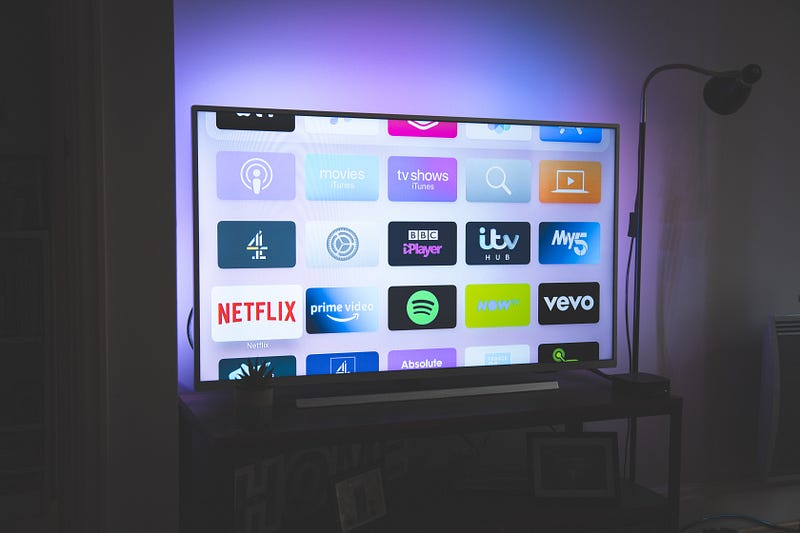
While many Hong Kong residents professing to shun television, big TV sets, including more advanced smart TVs, remain common fixtures in homes across the city state. What has fundamentally changed is not the presence of television, but rather the concept of what it means to ‘watch TV.’
Discussions around the latest dramas and shows remain vibrant, yet people’s approach to viewing them has undergone a significant change. The rigid schedules of traditional broadcasting have been largely supplanted by the flexibility of on-demand services such as Netflix, Disney+, and Apple TV.
The perception of intellectual curiosity in media consumption in Hong Kong is often influenced by the choice of platform and content. Engaging with Western streaming content is generally seen as an indication of intellectual superioity in Hong Kong.
Generational Divides
This is contrasted with local media consumption habits, where preferences reveal generational divides and varying perceptions of intellectualism. Watching content from ViuTV, a relatively new station owned by internet giant PCCW, is popular among the younger generation who pride themselves on independent thinking and intellectualism.
On the other hand, Television Broadcasts Limited (TVB), a colossus with a storied legacy in the annals of Hong Kong’s television drama history, now finds itself interspersing its programming with Mainland Chinese content. This pivot has led to a perception of TVB as pandering to a less discerning viewership.
Consequently, a curious social phenomenon has emerged: an avowed public reluctance to admit to watching TVB, coupled with a clandestine enjoyment of its offerings. There exists a cohort that, while openly critical, secretly tunes into TVB’s dramas away from the public eye.
Digital Migration
This dynamic is further influenced by a significant shift in viewer behaviour, with audiences now transitioning from traditional TV sets to digital platforms like YouTube to stream TVB’s dramas. This digital migration allows viewers to maintain a self-image as progressive TV consumers, distancing themselves from traditional TV-watching rituals.
The migration also reflects a response to criticisms of TVB’s formulaic storytelling and perceived pro-government stance. By consuming content on YouTube, Netflix, Apple TV, audiences participate in a modernised viewing culture, aligning themselves with a more independent and contemporary media engagement.
Redefining ‘Watching TV’
The phenomenon where “I don’t watch TV” actually means “I don’t watch TVB’s dramas on a television set in home” reflects a broader cultural judgment about media consumption. It’s a personal branding decision that differentiates between passive consumption and the active choice of content that aligns with one’s lifestyle and values.
This evolution of terms and habits suggests that it’s time to redefine what ‘watching TV’ means in the context of a diversified media landscape. Understanding how people engage with entertainment content today reveals a complex picture. The conversation has evolved beyond simply content versus medium. It now includes the changing perceptions of media engagement in the digital age.


