
I Don’t Like Making Eye Contact With People
And I’m just now realizing it.
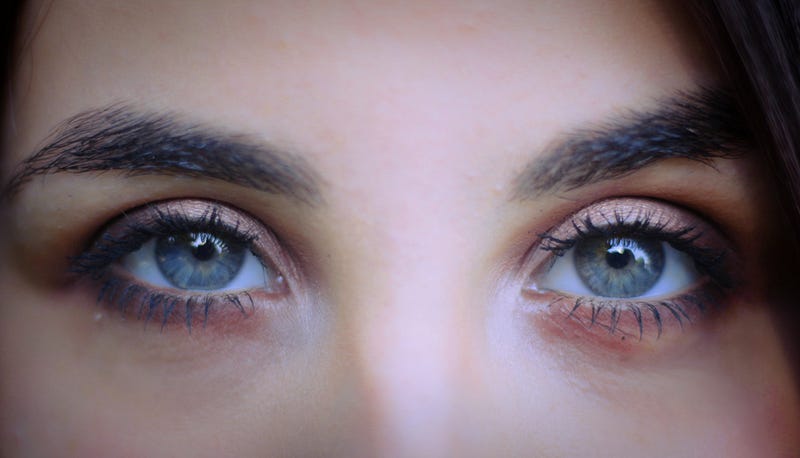
I was diagnosed with ADHD a few months ago. It’s a diagnosis I was considering for over a year but only seriously pursued for a few months before diagnosis. So much of my life experience made sense under the lens of a neurodivergent diagnosis, and now that I’m medicated for it, I feel physically better.
I am still discovering parts of myself that are signs of my neurodivergence. Parts of my personality and so many of my habits can be explained by this new diagnosis, and I’m actively searching to understand myself more. The most recent aspect of myself that I’ve realized is due to my ADHD is my disdain for making eye contact.
Difficulty making eye contact is a symptom of both ADHD and autism spectrum disorder.
I’ve always known that making eye contact isn’t the most comfortable for me. I’m a very visual thinker, and when I’m conversing with others, I can’t look them in the eyes while I think. It interrupts the flow of my thoughts. I also find making eye contact hard because people have two eyes, and I can only look at one at a time. I get so preoccupied with choosing which eye to look at that sometimes I miss what someone is saying.
I was thinking about my difficulty making eye contact while I was at work the other night. As a psych nurse, I need to watch out for clients pocketing or otherwise diverting medications in front of me, so I have to be watchful of them. I’m also charting things simultaneously, so sometimes watching them is tricky. It’s also tricky when I’m talking with them. My natural instinct when I’m talking to someone is to not look at them.
It’s taken me this long to realize just how uncomfortable with eye contact I am.
One of the things I chart is whether or not a client makes good eye contact with me. I generally have to guess in what direction they’re looking to answer this question because I am not actually making eye contact with them. Sometimes I’m really good at faking it, but I’m not looking at them for the most part.
I have gotten away with not making eye contact with people very well. I am very easy to get along with at work, and most clients I’ve met have actively liked having me as their nurse. I get along with the other nurses as well, both night and dayshift. I fake eye contact with them as well, but most of the time that I’m talking, I’m not looking at them.
I don’t look at people when I’m the one talking. I try to look at them when they’re talking, especially if they’re an upset client, but it is unnatural for me to look people in the eyes while I’m talking.
I once had an autistic client who favored me above all the other nurses. She is still my favorite client of all time. I wish I were her friend outside of the facility. On her second day of knowing me, she brought me a cup with a tea packet in it. I still have the cup because I don’t drink tea. She would stay for an hour or two after the med pass to talk with me.
I was one of four people she made eye contact with daily. She told me explicitly that she chose me as one of her four people. I knew at the time that this was hard for many autistic people, but it never occurred to me to tell her that she never had to make eye contact with me. I was honored, but I wanted more for her to be comfortable. Masking (hiding the neurodivergent aspects of yourself) is exhausting. I hope she’s doing okay.
For my fellow neurodivergent people out there, it’s okay if you don’t want to make eye contact with others. It’s really easy to fake! I’m leading a successful life despite having ADHD (and somewhat because of it), and I promise you can too.


