Summary
The poem "I Don’t Care To Be Sociable" expresses a personal struggle with the desire for solitude and the societal pressure to be sociable.
Abstract
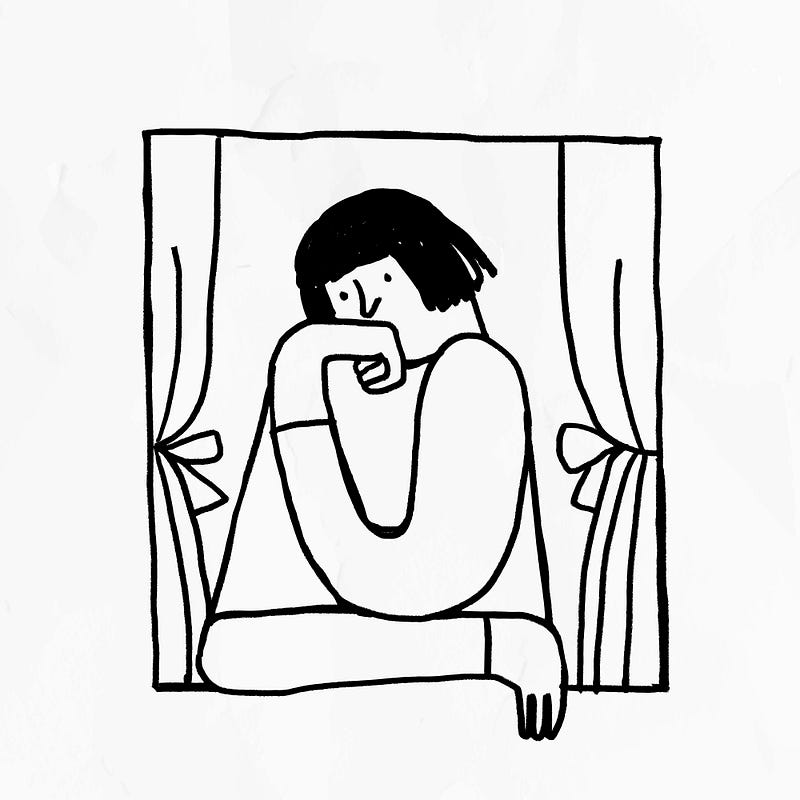
The poem titled "I Don’t Care To Be Sociable" is a candid expression of the author's preference for solitude over social interactions. It delves into the narrator's contentment with living independently, without the need for external validation or companionship. The author acknowledges the occasional pangs of guilt for not conforming to societal expectations of sociability, yet ultimately embraces their introverted nature. Despite attempts to be more approachable, the narrator admits that the effort is half-hearted, as they find more comfort and potential in their own company. The poem concludes with the author contemplating whether their introversion is a flaw, questioning if it requires medication, and ultimately deciding to retire to bed, suggesting a resignation to their inherent disposition.
Opinions
- The author feels that solitude enhances their potential and is not a source of suffering.
- They have tried to be sociable but find it conflicting with their existentialist views.
- The narrator experiences guilt over their lack of desire to socialize, indicating an awareness of social norms.
- The poem suggests that the author sees themselves as their own therapist, implying self-reliance in managing their social inclinations.
- There is a sense of resignation to their introverted nature, as the author ponders taking medication but ultimately chooses to go to sleep.
- The author questions whether their introversion makes them a bad person, reflecting internalized societal judgments about personality types.