I Discovered a Freelancing Scam
Here are some lessons I learned
I discovered a scam on the first gig I got on Freelancer.com. No, I’m not kidding.
I waited on my fresh Freelancer.com profile long enough.
Finally, I was going to do something about getting an income from freelancing, like I’ve seen a dozen Medium writers praise in different articles.
I looked up the projects and found one titled “I need a writer for my cafe.” The task was to convert a document from PDF to Docx. Seemed simple enough, I thought, so I placed a bid.
Within five minutes, a notification appears on the site. It’s from a potential client, and they want to chat.
Endorphins start flowing, and I check the message. It tells me to contact a number.
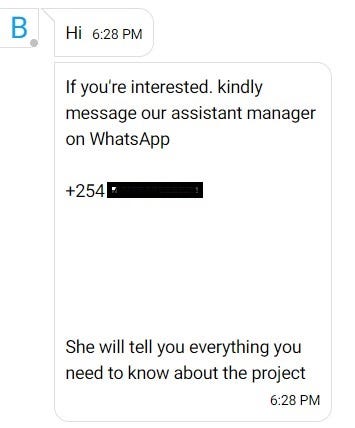
Instantly, a red flag pops up in my head. This text doesn’t look right, especially after someone sent it so quickly after I posted. Either way, the number had a Kenyan area code (+254). Messaging back wasn’t allowed, but the number went to a WhatsApp account. I decided to press on and text the number in the name of curiosity.
I received this:
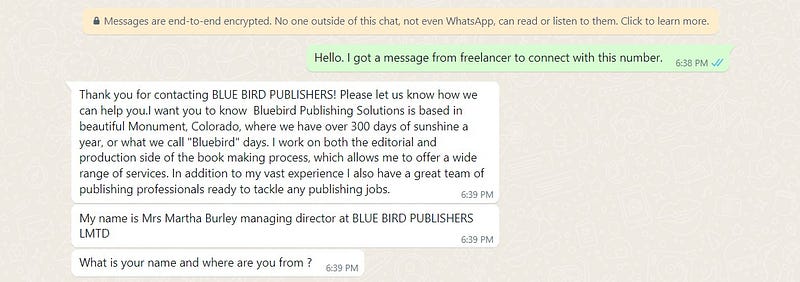
Wow, look at that word vomit. Suddenly, a rabbit hole opened up, and I dove right in.
First of all, it all seemed pretty nice until I realized that this was a massive amount of text sent within a minute.
Look at the timestamps. Either this woman types quickly, or this is a copy-and-paste job.
Plus, look at the wording. It’s a publishing company, but they don’t have the spelling and grammar to back it up.
I checked the account information at the top to see what I’m dealing with:
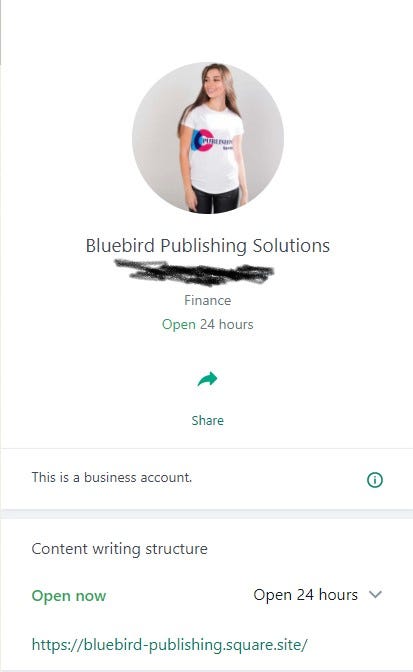
Okay, I thought. That website must be theirs. So I clicked it and found this:
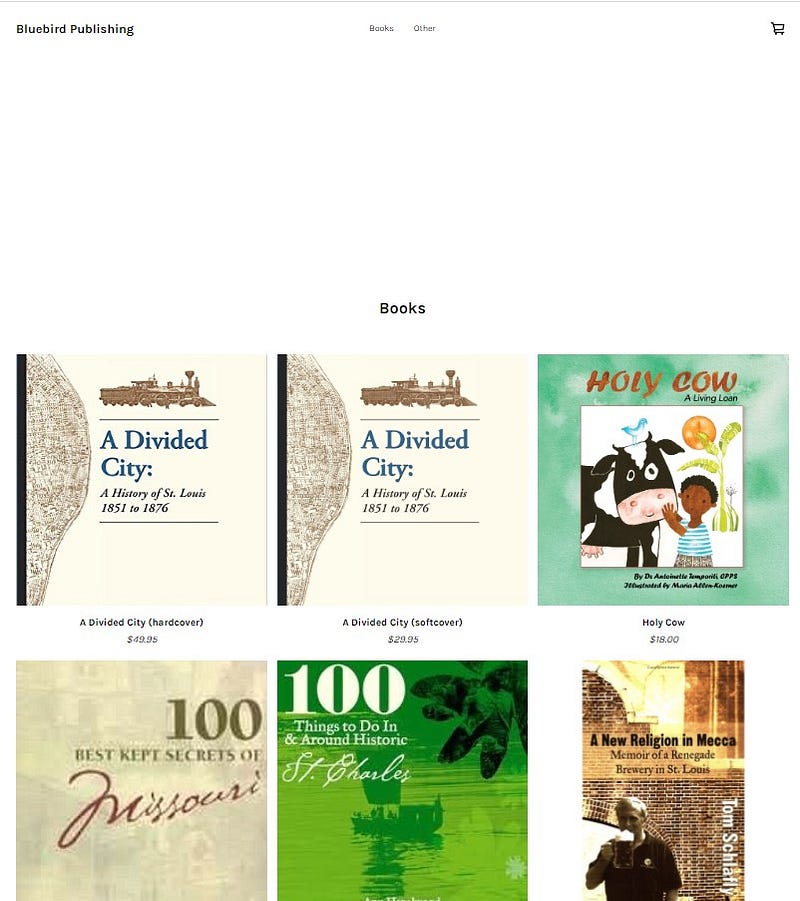
It linked to a bookseller operating a poorly-optimized site for history books based in St. Louis.
Then I looked up who this “Martha Burley” is, and it turned out she does work for BlueBird. However, this one is a different publishing company based in London.
Also, look at that picture:
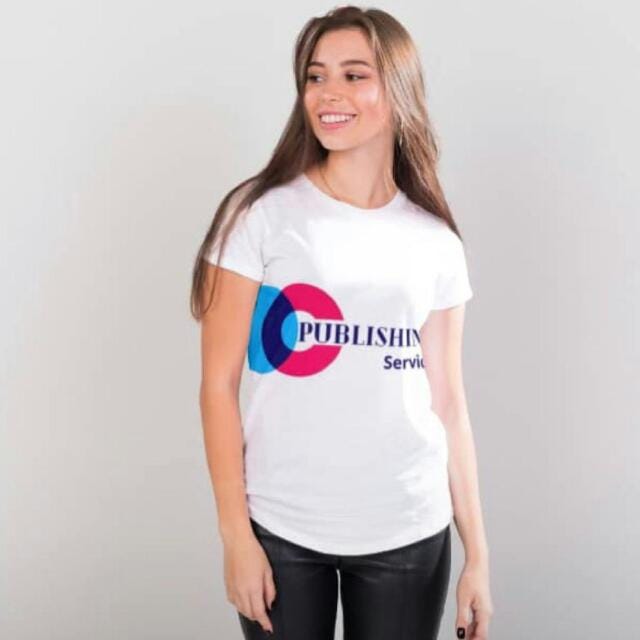
That woman is a model for some other publishing company. So why is Blue Bird Publishing using a picture from OC Publishing, which has none with that logo? This person fascinated me.
I asked “Martha” where she was located. She said Finland.
Hmmmmm.
So this “Martha” has an area code in Kenya, connected to a website in St. Louis while being in Finland and working at a company in London. Who is this person? Such an international woman of mystery.
Then I got the official link to the company, but it seemed to only have one woman working for it. Her name wasn’t Martha.
Meanwhile, the job disappeared from the Freelancer site. Weird, but more intriguing.
After more conversation, she sent me a document to look at, which contained the project details and requirements. I downloaded it to look further. You can see it here for yourself.
Another red flag shot up. As you can see, this “company” charges something called a “security fee,” in which the employee pays the employer to keep the job.
To quote: “The fees are used to create a working profile for you and your membership card here in our company.”
Hang on, I thought. That isn’t right. Why not write a standard contract and make a believable pay model instead of charging your employees?
Then I remembered what that is called: an advance-fee scam. Basically, they ask for money in advance. This was just disguised as a freelancer job.
I found the motive. Now I waited for them to make a mistake.
She sent me “proof” that the business is legit. I delved further.
First, she sent me a video from some woman thanking them for the money she earned. Then a screenshot of a refund that “Blue Bird Publishing Services” sent to the same woman (apparently). I asked who that was and what connection she had to the company. They swore up and down that they were trustworthy and tried contacting me numerous times.
Then the bombshell, the moment I was waiting for; I got a voice note, and the person on the other side didn’t sound like “Martha” at all.
Rather, it was a Kenyan man talking Swahili, with loud reggaeton music playing in the background. People of Medium, I got him.
In another voice note, he cursed at me and asked me to leave. I laughed and said no.
Then he removed his profile photo, as you can see down below.
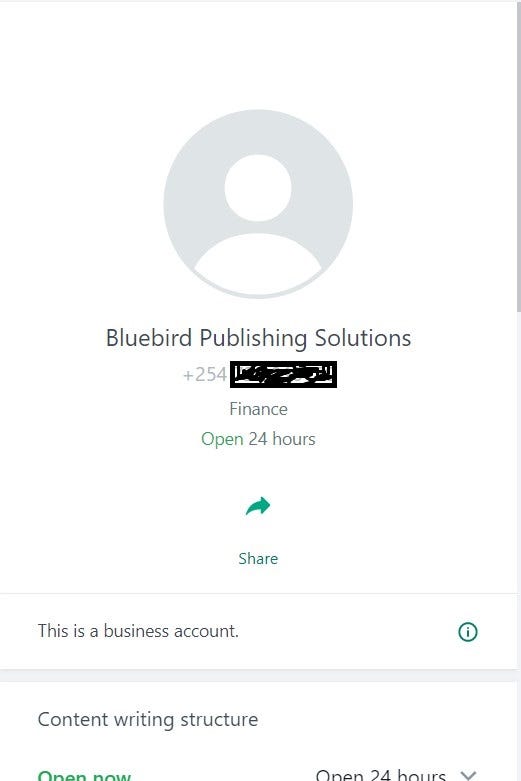
I messaged both the woman that “worked” for them (since they had also shared her email address as “proof” that they were trustworthy) and the woman who ran the actual Blue Bird Publishing Solutions to let them both know about this. Then I exported the chat as a souvenir of the whole experience.
So basically, when you get a random message on the internet, don’t just block the number. Just wait a little bit, and watch the fireworks happen on their own.
I climbed out of the rabbit hole with a laugh. Even though I didn’t go completely down, finding my first freelancer scam was still a fun experience.
A few warnings from my experience:
- If someone messages you to take a conversation off of an e-commerce website that gives freelancers rights, it’s a scam.
- If they ever outright ask you to pay for “job security” or any advance fee, it’s a scam.
- If they ever, in any way, ask you if you’re ready to pay, then it’s a scam.
- Don’t be afraid to ask questions if something is fishy.
Check this link for more signs of potential scams online.
Want to support my work? Join using this link:
Liked this article? Check out some of my other crazy escapades through life:


