
I Closely Observed Heartbreak For 12 Months Here’s What I Learnt
We mark life’s significant events with funerals, farewells and birthday parties. I argue that a broken heart is a turning point that needs a ritual, too.
The first time I experience heartbreak was during my summer holidays at the University. I was 24 and sitting inside that room most suburban families had, with a laptop that meant very different to me than it did to my parents. I was lying down in my bed, and if I close my eyes, I could still hear the messenger ping and the feel that drop in my stomach when few names popped up on the list of active people on the right-hand side.
The lights were off, and I hadn’t spoken to my girlfriend all day. We had been dating for six months, and I always liked how she smelled. She then moved overseas to pursue higher education. We continued dating, and it was a distant relationship.

First time we met, I remember holding her hand very steadily, and was wondering, is it too fast? Am I speeding the process?
But that night, something was different. I think many of us realise before we realise. When I texted her, I immediately noticed that she no longer reads my message instantly, the way she uses to before.
I felt sick instantly. I was struck by a sense that it was my fault. How could the whole world look so perfect one moment and so different the next day?
She would later tell me that her interest had changed because she wanted someone who could take care of herself. I’d watch from afar as she started an Instagram page where someone would like her post, and vice-versa, she would also share that guys post on her story. Definity they are together- I had this thought on a constant basis.
Twenty-four-year old me didn’t know that this would all make sense very soon, and it would be water of a ducks back.
It was also the beginning of an unrelenting fascination with heartbreak, and when, for some, it could have the capacity to give you lifelong temperament. For the last 12 months, I have shared my journey and studied various people’s heartbreaking journey. I learnt three things I had never expected that I would ever get to know.
Few things I have learned that I didn’t expect to.
1. First and foremost, heartbreak never really leaves us.
I remember speaking to a lady whose heart was broken at the age of 16. She could still remember his name and the colour of his hair.
I was shocked by her own pain from more than 45 years ago. This was a lady who was married for most of that time to a man she loved more than anyone in the world.
However, inside her, there was space for both- she mentioned. Not only love for the man she married but also sorrow for the man who left her.
2. The next thing I learned is self-help in the wake of a broken heart is the the most dangerous thing.
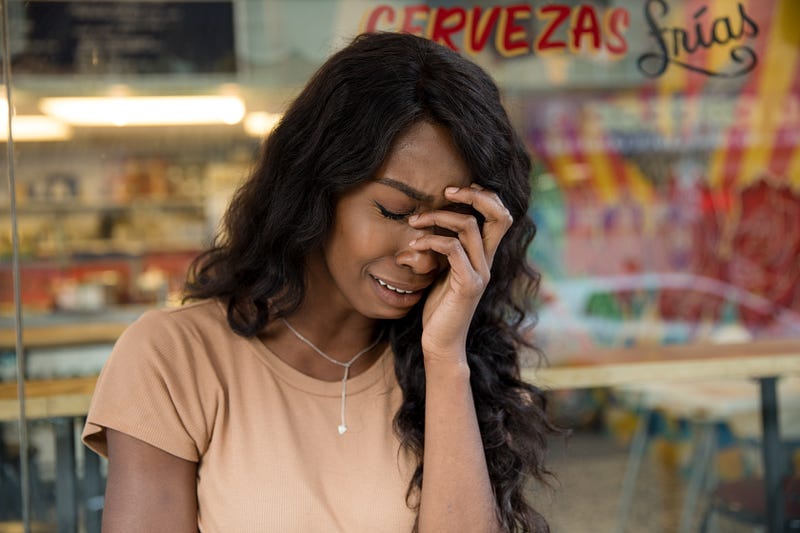
Rather sitting and mucking for a while is what is needed for anyone facing heartbreak.
We need to let ourselves feel that we constantly try to avoid feeling. The self-loathing jealousy and the uninterrupted pinch of our own ego are a few examples of what I was trying to avoid.
Nonetheless, a pat on your back and few inspirational quotes would also slow down your recovery.
What we don’t take seriously enough is we don’t respect a broken heart. We mostly throw ourselves into chaos by constantly reminding the future we once assumed during the relationship.This would relate to my next experience, I learnt.
3. I didn’t have any ritual around me during that phase.
We focus and emphasise on deleting our ex-lover from social media, or gift’s that was given by them.
On the other hand, we have funerals, wedding, birthday parties, college farewells, which are markers of time.
By providing a name to a specific day, such as weeding, we let the whole world, as well as ourselves, know the importance of the day. However, heartbreak doesn’t have any importance.
Therefore, what I learned was, the ending for most of us didn’t happen in a scientific way. So how would we mark the end of a significant partnership?
There is a small village in West Africa. I read an article where heartbroken people gather together to sing, scream and support each other. They call it Grief Altar. It’s very difficult for anyone to do be alone during heartbroken phase.
So to summarise:
Grief has to move, and we have to do something with it.
Whether it’s running, swimming, singing, learning a new language, writing, or cooking, we all have to demand less happiness from ourself, when we are so susceptible to feel sad.
Eventually, what I learnt is everything has a price to pay, and heartbreak is the price for love; however, the pain becomes a gift eventually.