
I can think, I can wait, I can fast — three skills for a free and happy life
What these words from Herrmann Hesse’s Siddharta mean to me and what they can mean to each of us.
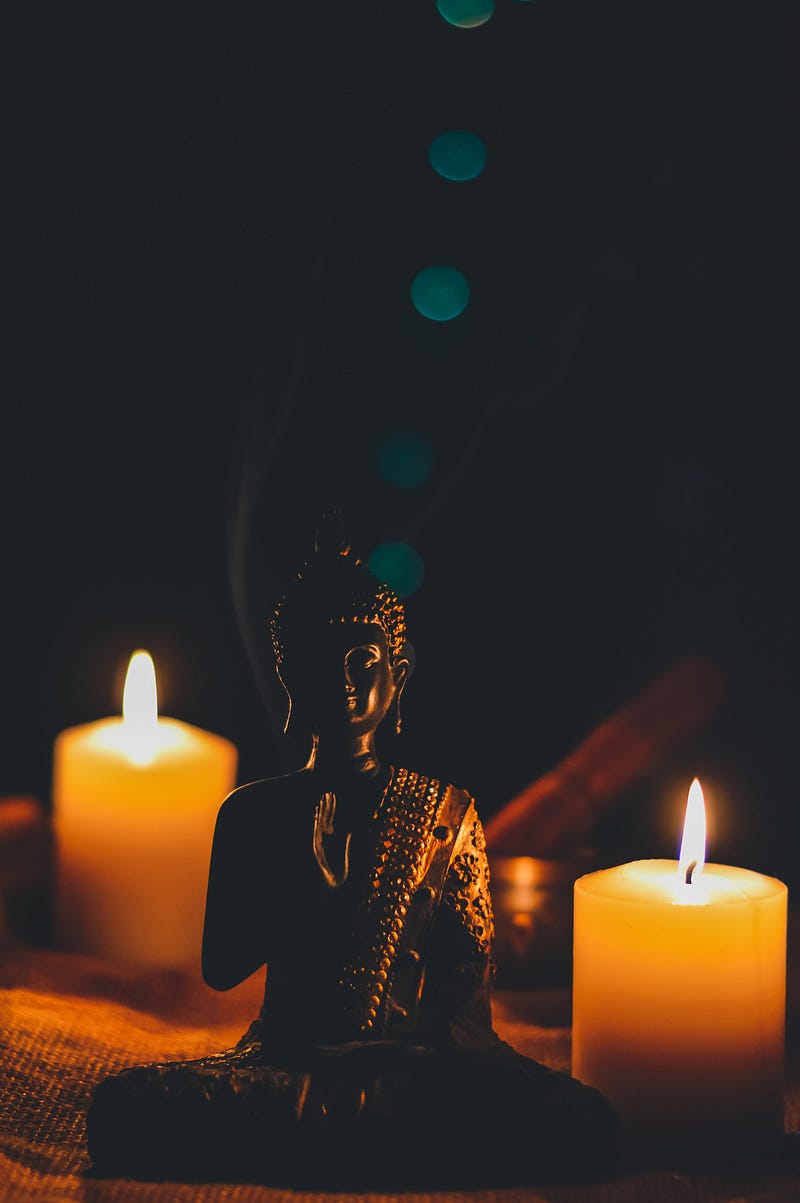
When the merchant Kamaswami asked the young monk Siddharta what he had learned, he answered: I can think, I can wait, I can fast.
Kamaswami wasn’t very impressed. He asked Siddharta what that was good for.
The answer that Siddhartha gave the merchant is known to everyone who has read the book. This article is about what these words have taught me for my life and what they can mean for each one of us.
I can think
Purposeful thinking distinguishes human beings from all other living beings on our planet. Yet not everyone is lucky at thinking.
To do something and to be capable of something are two different things. So is thinking.
The core idea, however, is that we should orient our actions towards thinking, not our feelings or random interests. The thinking that is meant here always has a purpose.
When I pursue a goal, it always starts with thinking. I register my current state, compare it with the desired state, and identify the steps necessary to close this gap. Then I act accordingly.
Thus thinking is divided into three steps: observation, conclusion, and action.
I can wait — delayed gratification and more
All current self-development books emphasize that the one who can do without the instant gratification of his needs in favor of a greater reward in the future has more success in life.
But waiting here means more to me than just waiting for a reward. It also means being able to sit out adverse circumstances and waiting patiently until the opportunity is favorable. It’s not a passive wait I’m talking about, it’s a deliberate wait.
If the deliberate waiting is then paired with confidence, one rests entirely within oneself in this phase. Knowing that the opportunity for action will come gives peace to the spirit and keeps the mind clear.
I can fast — more than the ability to endure hunger
Siddharta tells the merchant Kamaswami why fasting is a useful skill. In short, it gives him the freedom not to have to do everything for money. When the stomach is empty, most people are willing to do anything for anyone on any condition. Who can fast is free of this pressure.
In this day and age, people in the industrialized world are unlikely to suffer from hunger. Even the homeless do not have to starve to death, as there are state or private aid programs everywhere.
But while we’re on the subject of homelessness: Today, other needs are much more difficult to satisfy than the need for food.
Work, housing, mobility, cultural participation — we want and need all this. However, we often believe that we can only be happy in a top paid job, feel comfortable in a luxury apartment and that our car has to be bigger than that of our neighbor.
For me, in general, being able to fast, therefore, means being able to renounce when I gain freedom as a result. Specifically: If I can only have a big car if I am willing to do a job for it that doesn’t satisfy me, then I drive a smaller car.
When my highly paid job requires me to work eighty hours a week, and my social life suffers from it, I settle for a lower paid job with more bearable working hours.
You see what I mean. For me, fasting is synonymous with renunciation. And coupled with the ability to wait, this renunciation must even be temporary. If I don’t accept the first best offer today or chase after the shiniest apple, I can get even more later.
Summary: What Siddharta’s Words Teach Us
Especially in our fast-moving, hectic times, the three abilities of the Siddharta are particularly valuable. Those who possess them cannot be put under pressure to go in a direction in which they do not want to go.
If we want to take our life into our own hands, we need these abilities. Thinking, waiting and fasting do not make us slow and weak but independent and unstoppable.
Read every story from René Junge (and thousands of other writers on Medium).
Your membership fee directly supports René Junge and other writers you read. You’ll also get full access to every story on Medium.
Just click here and get tons of exiting and fresh content every day.


