I brought a squash to my class and it transformed my teaching
I am interested in developing executive training or professional development workshops that function as ‘surprise’ and ‘mystery’ journeys and collective performance art.
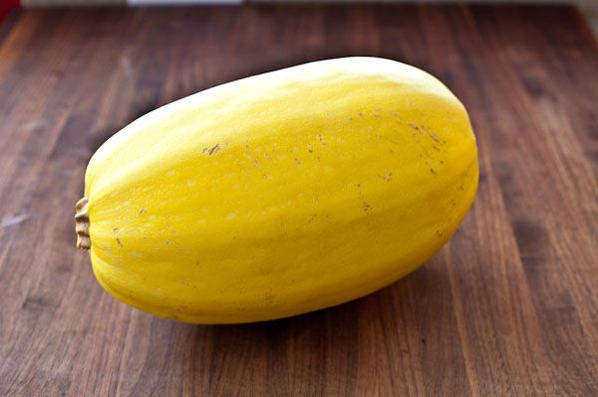
Last Friday, I thought I should try a new method to energise my teaching: I brought a squash to my class.
I used this as a form of improvisation and surprise.
Students loved the squash, analysing and exchanging it and the squash soon became very popular.
I have asked them a series of questions regarding the squash:
- Why do you think I brought this squash to the class? What are your ideas/theories?
- I have a secret with this squash. What might it be? Please imagine it and write a story around it in 3 minutes.
- How can you increase the value of this squash? In teams, please come up with at least 10 ideas?
- Who volunteers to have this squash until the next class? You will try to add value and share your experiences with us.
I have also asked my students a lot of puzzle questions. The student who gets the right answer gets a dark chocolate, so I ended up giving away a lot of chocolates.
The description of the class is as follows:
In this class that is designed as a collective performance art, we review some of the biggest names in the landscape of entertainment, creativity, and business. From space to magic, from basketball to fashion, from animation to computer games, from film music to architecture we have a trans-disciplinary tour of storytelling and creative careers. We have a series of exercises in asset creation and imagination. We have a lot of puzzles. We dream about the university of the future. However, the main actor in all of this experience (the connecting thread/anchor) is a squash.
You can find the slides of this class uploaded here:
I recommend that you download it as a file from SlideShare and view the file as a full screen slide show.
You can then try to guess the answers to the puzzles, then the experience will be much more fun:)
I hope you enjoy it:)
I want to continue my journey of creating imaginative and trans-disciplinary workshops and lectures focused on creative idea hunting, exploration, asset creation, storytelling, design thinking, futurist thinking, surprise, entertainment, and improvisation.
What are your ideas?
How can we design better learning experiences that capture elements of surprise, improvisation, mystery, and creativity?
How can we better unleash our creative capacities for imagination?
What do you think?
Fahri Karakas is the author of Self-making Studio. You can explore more here.


