
I Became the Self Help Reader I Always Hated
Is this what it’s like on the other side?
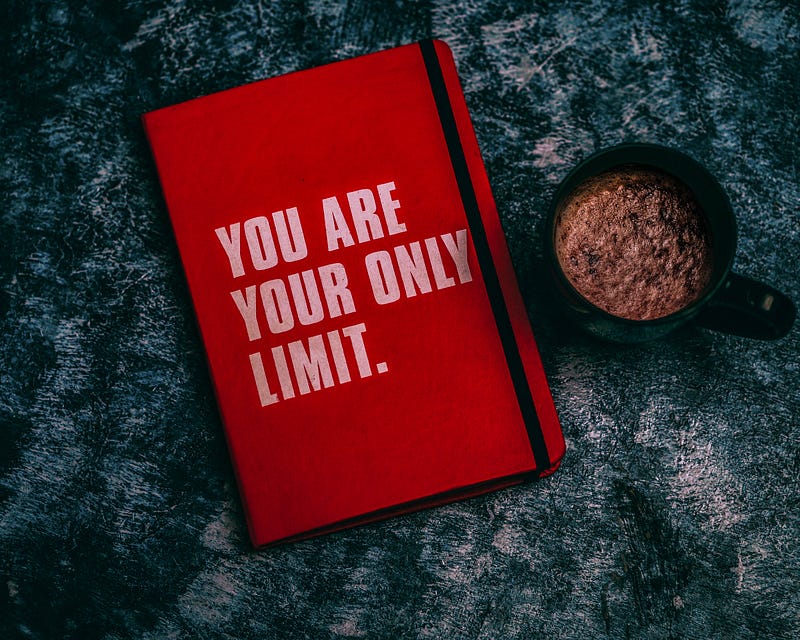
It’s a classic motif. The disgruntled outcast groans at the sparkling extrovert preaching her fave self help manual, written by some neurotypical, generally attractive career coach with a freckled past. The outcast finds it disturbing, maybe even downright ignorant of the extrovert to demand that our life is in our control and we have the capacity to change what we don’t like.
“If I could do that,” the outcast thinks, “I’d already be happy.”
The outcast thinks it’s malarkey.
The outcast is me, but not today.
First, a desire to understand money
At the start of the new year, I started to have serious money anxiety. I’m a freelance writer and this was my first January in the biz. The slowness of those early days was killing me, and I needed something that could make me feel productive, even if it wasn’t earning me cash.
The Australia bush fires raged on and the presidential impeachment hearings were well underway. I decided that I didn’t have much control over anything, but I did have some say in what I educated myself on. Maybe this could help ease my anxiety over a lack of control.
So per a recommendation I spotted on some estranged acquaintance’s Instagram story, I added Bad with Money to my podcast repertoire. This Gaby Dunn masterpiece has six or so seasons, but I started at the very beginning, determined to stick around until I learned something meaningful.
Five months and one obsession later

I kept listening to Dunn’s podcast over the next few months (even when she started putting out new episodes, which really messed with my pace to finish the series — but I digress).
Eventually, in early May, I had listened to almost every episode, ingesting information on impact investing and disability benefits and everything else under the sun. Today, I’m able to have a semi-coherent conversation on money from an intersectional perspective, which is better than what I could say for myself at the start of 2020.
But throughout those five months listening to the podcast, I developed an increasing urge to dabble in media that sought to teach me how to live better. In March, I bought a book called The Freelance Content Marketing Writer by Jennifer Goforth Gregory.
As it turns out, her nuanced career advice was on the nose. I found a lot of wisdom while reading the book, but I knew it’d be just as valuable if I held onto it for future reference. A little tough love mixed with a lot of actionable advice had me reeling with hope that I could get my income up to where I wanted it to be as a freelance writer in due time.
As part of my quest to figure out the financial system, I also purchased a book called Broke Millennial: Stop Scraping By and Get Your Financial Life Together by Erin Lowry. Seemingly aware of her privilege, and not just in the way where white people make a statement about their wokeness, Lowry delivers information in her audience’s language. She did mega research for this one, breaking the chunks down into digestible bits.
Next up on my list are Lowry’s Broke Millennial Takes On Investing (yes, if I want to talk shit on the cis men of Wall Street, I need to start somewhere) and William McDonough’s Cradle to Cradle: Remaking the Way We Make Things.
My new self-help reading system

Since that urgent feeling swept into me in early January, I’ve decided to try my darndest to always have a self-help book on hand. It allows me to offset my typical fiction or creative nonfiction reads with something actionable and educational. It lets me believe in some semblance of agency, even if it’s all in my head.
Currently, I’m pairing Lowry’s first in her financial series with Robert M. Pirsig’s Zen and the Art of Motorcycle Maintenance. I also pair emotional podcasts like The Moth with tactical ones like The Writer’s Co-op. And it all feels right, yin and yang.
Thoughts of a disgruntled outcast

So what’s that girl from my past thinking of all this? Malarkey, probably. But maybe also, “good for you, future me, for doing something for yourself, for changing your mind, for growing.” I hope there is a tenderness between us.
It’s easy to get lost in that starving artist mindset, but there’s nothing wrong with resting on the promise of agency, even if it’s intangible now, even if it’s hard to envision. There’s nothing wrong with dreaming up a life you want to lead and seeing if you can find the map on how to get there. It’s something that only time can tell, and I look forward to seeing if my dreams do manifest, even if the route is a little different than expected. Lots of land, a place to write, a corner to bake, a space where love can grow, these are the things I seek out, and they’re why I aim to navigate my finances and career from a place of knowledge, not of fear. Maybe the outcome will be something I never expected. Maybe it will be just as sweet.
That’s not to say you should settle for a self-help read from any old schmuck. This is your time to test out your snope skills and see if the author — or narrator, or creator of any kind — is someone worth listening to. After all, it’s not just the story that matters, but also the voice that tells it.


