
I Ate ‘Lab-Grown’ Seafood and Loved It
Our transition to sustainable food led us to eat ‘cell-grown’ food
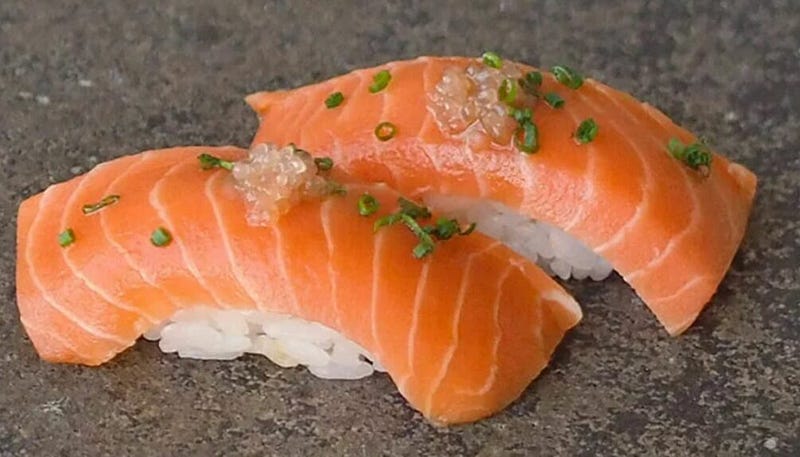
It’s here guy! Believe it.
Cellular agriculture commonly referred to as “lab-grown” or “cultivated meat,” is a method of producing food in which animal cells are grown in a laboratory rather than through traditional livestock farming.
I know what many of you guys may be thinking:
Wait, is that safe to eat?😨
Rest assured that all ‘lab-grown’ food companies have to go through strict FDA(Food and Drug Administration) in America and my home country, Singapore is at the forefront of making this reality possible.
I have eaten a wide variety of ‘cell-grown’ food including salmon, beef, and chicken from various companies. Contrary to what people believe, this meat actually tasted pretty good.
Why ‘Lab-grown’ Food is Gaining Popularity
I know you might be asking this:
“Why would I ever eat these when I can easily order real meat!”
That’s what I thought at first too, but as I dig deeper and understand the reasoning behind the need for these sorts of products. My first instinct was:
This is an uncatered goldmine!
Global food shortage
Our planet is heading to a global food shortage where global warming, supply chain disruption, raising inflation, and many other factors have affected many global food productions business.
Since the start of the COVID-19 pandemic, the number of individuals who are very hungry has increased. Before the epidemic, 135 million individuals had extreme food insecurity; during the past two years, that number has more than quadrupled to 276 million.
If we were to ever face another COVID-19 pandemic lockdown like before and we are not prepared, we might face an even worst global food shortage.
Environmental sustainability
Traditional livestock production has a significant negative impact on the environment, including deforestation, greenhouse gas emissions, and water and land consumption.
Also, lab-grown meat might possibly increase animal welfare because it does not need the breeding, growing, and killing of animals.
Economic benefits
A country like Singapore, which relies on 90% of its food imported, has to find ways to bring the cost of food down.
The largest expenses of the food are based on the importing and exporting of it. The process of having to rear, process, deliver, transport, and finally served to our dining table is an expensive process that can be further reduced by ‘lab-grown’ food.
Since there are no expenses related to animal breeding, growing, and killing, ‘lab-grown’ meat has the potential to be more economical than traditional meat.
‘Lab-grown’ food taste is able to maintain consistency
Since lab-grown meat may be produced without the use of antibiotics or growth hormones, it has the potential to be healthier than traditional meat. Additionally, it may be modified to have certain nutritional profiles.
If you think that is bad!🥴
I believe people need to know that the meat we eat is filled with drugs from growth hormones. This allows the cattle to grow faster and bigger. We actually eat these types of animals on a regular basis most notably KFC chicken.
Why ‘lab-grown’ food is not widely available yet
At the moment, Singapore is the only country in the world that allows the commercial sale of grown protein. While other countries right now are only focused on ‘plant-based’ food such as a US company called Impossible Meat.
For now, I agree it will take some time for the market to accept ‘lab-grown’ food. But as we slowly come to an understanding of the need for ‘lab-grown’ food. Maybe countries around the world will start accepting it as a norm.