
I’ve applied to 230 Data science jobs and this is what I’ve found.
A little bit about myself: I have been working as a Data Analyst for a little over 2 years. Additionally, for the past year, I have been teaching myself the concepts of data science while simultaneously working on my own project. Over the last year, I have acquired a substantial amount of knowledge and skills.

Although I am happy with my current role and compensation, which aligns with that of a Data Scientist, I remain interested in transitioning to a career in Data Science. For the past two months, I have been actively applying for Data Science positions, and during my job hunt, I have come across several noteworthy observations:
Disclaimer: The following observations are intended to share my personal insights and are not meant to demotivate anyone.
Data science alone is not sufficient: While I may not be fully aware of the past circumstances, I have observed a current trend where around 30% to 35% of jobs are oriented towards roles such as AI programmers, full-stack data scientists, and statistical programmers. These positions demand skills beyond traditional data science expertise.
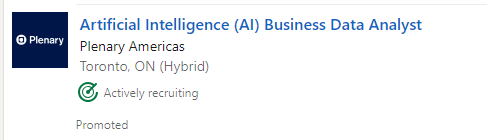

Most of the Jobs are niche specific: Many jobs in data science are focused on specific areas. For example, if you want to work with data in the insurance field, you might need to know about pricing models. On the other hand, if you’re looking to work in a call center, they might want you to understand NLP (Natural Language Processing) models. So, having deep knowledge in one particular area can really help you stand out.
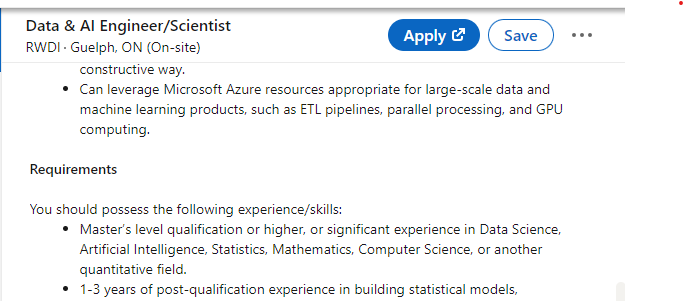
Getting a higher qualification matters: I read articles last year about people entering data science jobs after attending boot camps or teaching themselves. I’m not sure if this still happens, but from what I’ve seen, around 40% of job ads ask for a master’s or Ph.D. in a quantitative field. And if not that, then about 90% of jobs prefer a bachelor’s degree in engineering, math, or physics.
Fewer job opportunities compared to other data-related roles: When you search for data science jobs on platforms like LinkedIn or Indeed, you’ll notice that there are more jobs related to data engineering and data analysis than there are for data science. This suggests a significant demand for data engineers.
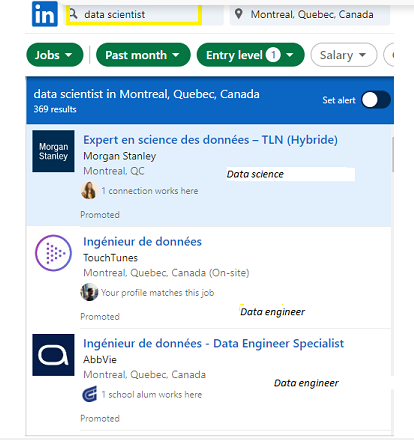
For newcomers entering the data industry, it seems like pursuing roles as data engineers or data analysts might be a wise choice. Notably, these roles offer good prospects, and if you consider the salary aspect, they often receive similar compensation.
Please write me a comment about your opinion on this insight
Have you all noticed the same trends? Sharing our thoughts can be so beneficial because, in the end, we all want each other to succeed. Let’s continue this exchange of ideas to support one another on our journeys.
Thanks!


