

I applied to 100 jobs within 1 month
How I landed my first job after bootcamp and what I learned
Let me share my journey and some tips I have learned along the way. I will even share my NOTION template to track job applications, so keep reading until the end.
Yes, it’s true. I applied for 100 jobs in just one month to get my first job after finishing my UX/UI design bootcamp. It was really tough.
But let’s go back to the start, which for this story is the end of the boot camp. I was really proud to finish the intense bootcamp, especially the last few weeks with lots of work on our final project, and putting together my portfolio and resume.
After taking a short break once the bootcamp was over, I was eager to start looking for jobs. I was excited to begin applying what I learned in the real world, full of energy and motivation.
Start with the basics
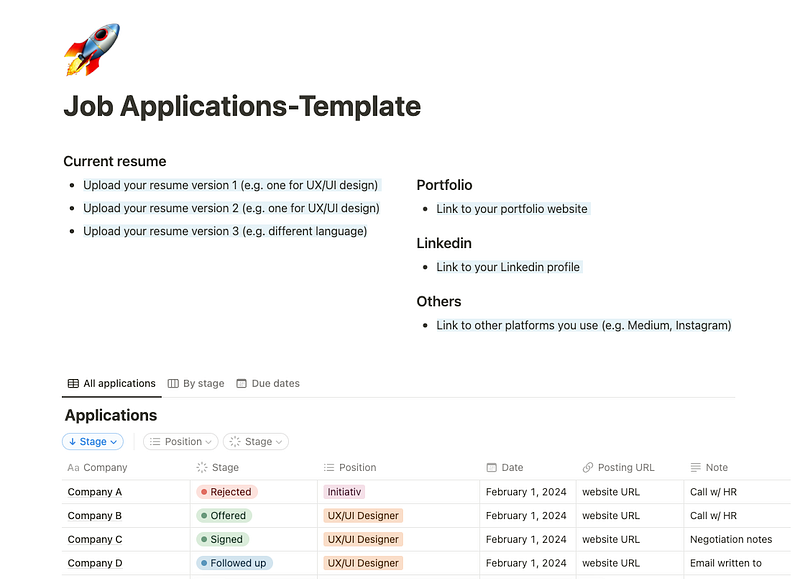
When I began the job search, I mostly used LinkedIn because it is easy to find jobs by setting filters for what I wanted and where I wanted to work. I had some personal requirements that quite limited the job opportunities as I was mainly looking for fully remote jobs. To track all my applications, I made a list in Notion, so I would not forget any.
Tip: Find out who hires people at a company and message them to see if they’ll have job openings soon or what they look for in candidates to see if you might be a good fit later.
Leverage other ways
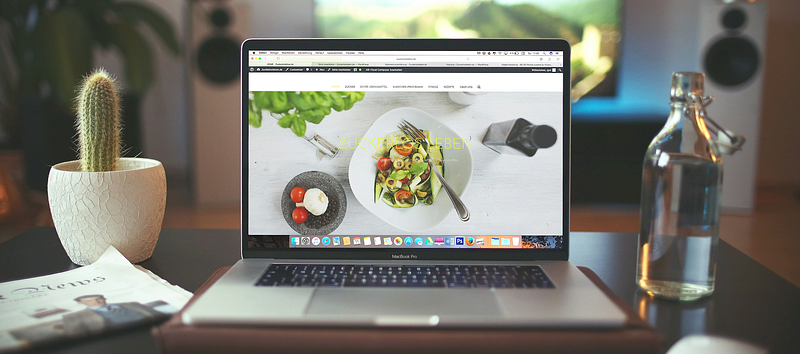
Every day, I was screening job opportunities on Linkedin and waiting for new jobs to come in. I also tried other job sites but without much luck. Since I wanted to work at a startup, I specifically searched for ones in industries I liked and checked their websites for job openings.
I also researched other job platforms, but they were not very successful for me. As I wanted mainly to work for a startup, I was looking specifically for startups as well with products or industries I liked and looked directly on their websites for job opportunities.
Tip: Some companies do not post their jobs on LinkedIn. Keep an eye on successful startups or ones that recently got funding; they are likely to post job openings soon.
Facing the hard truth
The hard reality is, that there are almost no jobs for junior UX/UI designers. Most of the jobs require at least 2–3 years of experience. It is tough competing with experienced candidates, but it is worth applying anyway because you might have something unique they want. Stand out by showing your eagerness to learn and how your background makes you different. Unfortunately, what makes it very hard is that nowadays so many people finish bootcamps all the time with the same level of experience and also the same projects and portfolios. You have to convince them that you are the right fit.
Tip: Highlight your past experience to stand out. For example, my past experience in startups showed companies I understood the startup environment, which they valued a lot. Try to transfer your previous skills as much as possible.
“We regret to inform you…”
Getting another generic rejection email hurts, especially after spending so much time on applications. You wait forever for a reply, only to get a vague email that does not even say why you were not chosen. It is all so impersonal, but try not to take it too personally. It is tough at first, but staying positive and motivated is key. Everyone has been in the same position. And even if it feels endless, there is always an end with a great job opportunity.
Tip: Take breaks from job hunting. It might sound simple, but it is important. Constantly thinking about applications can exhaust you. Find a way to relax and recharge. Remember, no job or rejection is worth feeling totally drained or depressed.

First interviews and time to shine
The effort will pay off. You will get invitations for the first interviews. That is a great sign because that means that they already screened your profile in detail and the bootcamp experience is potentially enough for their requirements. Use this interview also to find out if you could like the job. It is always two-sided.
Tip: I know it is hard with all the rejection to not become completely desperate at one point. Facing lots of rejections can be tough, but remember what is important to you in a job. You will likely be there for the next 1–3 years, so make sure it is a place where you will be happy. Look for jobs where you can learn, especially if you are just out of bootcamp. For me, I chose learning over earning right after finishing my bootcamp.

Design challenges
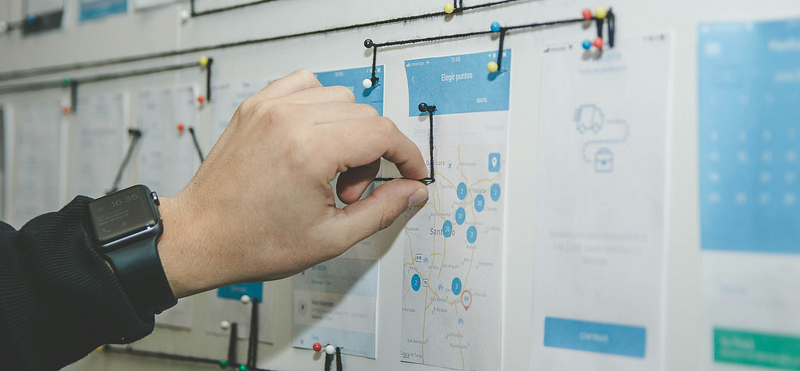
If you pass the first interview, you are on the right track and will likely be invited to a design challenge. This is your chance to impress them further. Use what you learned in bootcamp and focus on showing your thought process and how you learn. Always explain why you made certain design choices, thinking about the users and the business benefits.
Tip: Even if you do not have much experience, you can discuss how you would approach hypothetical situations. If you have been invited to a design challenge, your experience level might not be as important. They are more interested in seeing if you are a good fit for the team and how you think and work.
“We want you on our team!”
When you are deep in job applications, getting an offer feels like the biggest relief ever. Now, you get to choose if you want the job or wait for something else.
Tip: Enjoy and celebrate! Your hard works pay off and now you can finally show that you can do it and are willing to learn.

Getting your first job after a bootcamp is tough and feels like a job itself. It takes a lot of mental energy, so you need to look after yourself. But if you treat your job hunting like a full-time job as well, it can help with setting specific hours for applying and working on applications. Also, make sure to take breaks and relax in the evenings and on weekends. This helps prevent getting too overwhelmed.
How was your experience applying for jobs after a boot camp? Excited to hear from you 💜
Here is the link to my Notion template for tracking job applications.
I hope it helps you!