
Bipolar
I Am Bipolar, and It’s Okay for Me to Say That
Is it wrong to refer to someone as “being bipolar?” I have the diagnosis, and this is my take on the subject.

Today, I was dressed down by a commenter on my blog for the transgression of referring to someone as “being bipolar.” Part of me thought seriously about deleting the comment because, in the big scheme of things, it doesn’t really mean anything.
However, the more that I thought about it, the more I felt like I had to say something in response. It seemed necessary to express my thought process because there are reasons for the words I use.
Some history
To give you a little background, my blog, Speaking Bipolar, is primarily about raising mental health awareness, helping people find validation, and encouraging conversations about mental health.
The blog was started after my life was touched several times by suicide. It’s something I hope I can stop from happening again.
Mental illness and bipolar disorder especially are subjects that I am very passionate about. I was diagnosed with bipolar in 1995, but it’s very clear to me now that it has always been a part of me.
It’s important how the world views such topics, and I want to do my part to move things towards positive change. Hopefully, this story is going in a positive direction.
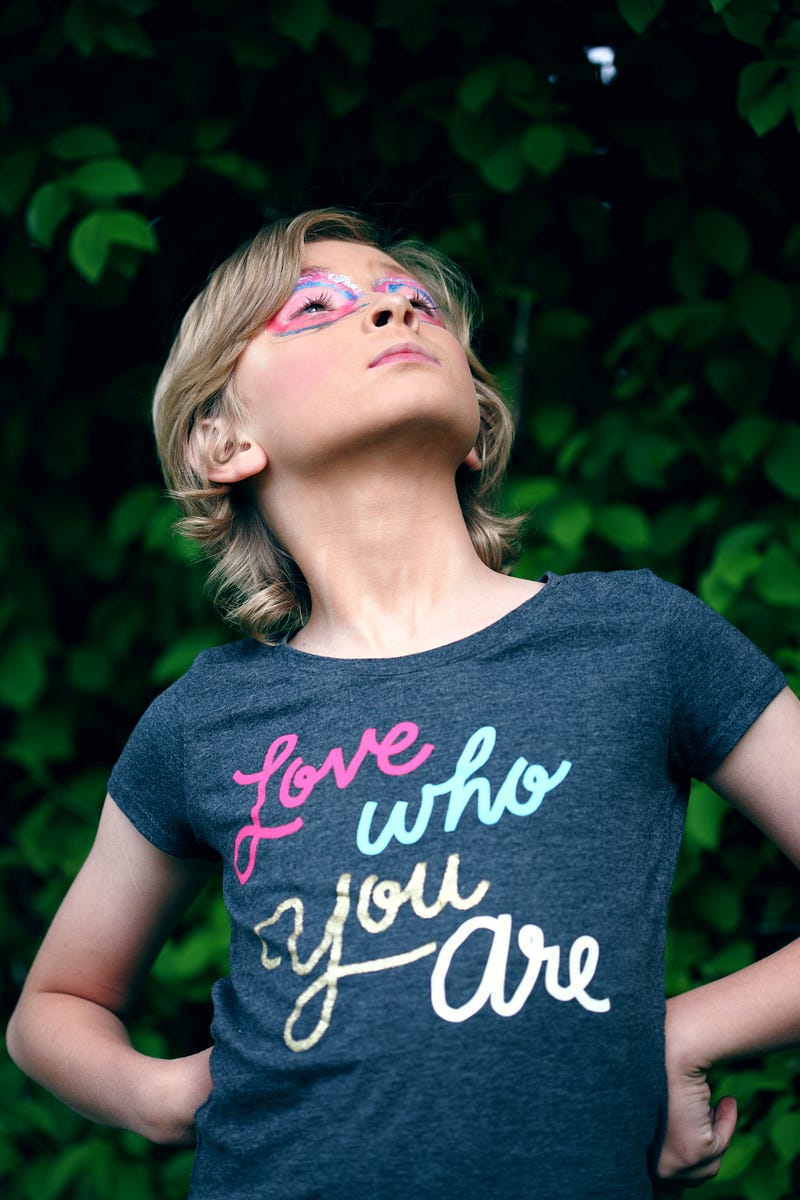
But I am bipolar
With that said, is it wrong for me to refer to myself or someone else as “being bipolar?”
The argument that the commenter made was that bipolar disorder is an illness and that a person should not be referred to as their illness. The comparison was made that you would never refer to someone with cancer as “being cancer.”
I hope you can agree that “being bipolar” and “being cancer” are two very different things. The implication that someone might “be cancer” implies poison and a sort of vileness. To refer to someone as “being bipolar” is nowhere in the same realm.
You are not your illness
I wholeheartedly agree with part of her point. A person’s identity should never be just their illness.
I have Familial Mediterranean Fever, a genetic disorder that causes recurring fevers and widespread pain. I don’t want to be called “Familial Mediterranean Fever” or even “FMF” for short. That illness doesn’t define me.
However, I look at bipolar disorder differently. If I were on the autism spectrum, I would have no problem with a reference to “being autistic.” Bipolar is also a brain disorder. Hence, it doesn’t feel inappropriate to bear it as an apt label.
To me, “being bipolar” isn’t an insult, and it’s not to my group of friends who also have a bipolar diagnosis. Instead, for us, saying, “I am bipolar,” is a badge of honor that reflects the fact that we are mental illness warriors and still in the fight.
My physical illness may affect every part of my day, but bipolar disorder distorts everything in my day. It causes me to hear and see things differently than what they really are. It affects my relationships, my job performance, and my ability to think positive things about myself.
Bipolar disorder is more than an illness that I have, it’s the way that my brain works. It’s also a unique experience that can only be understood by someone else with the condition.
Before anyone gets too upset
My purpose in writing this post is not to offend anyone. If you agree with the comment made that referring to someone as “being bipolar” is inappropriate, then that is an expression that you should not use.
For me, as someone who has been diagnosed with bipolar disorder, I hope that you will take into account what bipolar means to me.
For years, I lived in the bipolar closet. I didn’t tell people about my mental illness, and I fought with all my might to never let anyone see it. I kept a smile on my face and laughed as much as I could. I would run around and take care of everyone else striving to always be the happy guy and life of the party.
And it very nearly killed me.
What’s worse is that during that time when I could have been using my experience and struggle to help others, I had more than one friend give up on life and end theirs. That’s a pain I will never be able to fix.
As a result, my goal now is to tell as many people as possible about my illness. I want to explain how it affects me, what it means to me, and what I’ve found that helps me to continue fighting. Part of that expression includes being authentic — being the real me — including the parts that some people may not like.
If I can stop just one person from taking their own life, then it will all be worth it.
Let’s concentrate on what matters
Mental illness is a serious subject that is surrounded by stigma. It’s no wonder that there’s a lot of strong emotions revolving around it. Still, by insisting that something is said or not said a certain way, we’re not doing anything to help improve the situation.
What matters is that we’re providing help, support, and encouragement to those who need it. We need to build each other up and offer hope and understanding.
I appreciate my blog visitor for taking the time to write her comment. I don’t agree with her thought process, but I don’t fault her for it. It’s how she feels, and she should fight for what she believes in.
Her words gave me a lot to think about and helped me examine why I use the words I do. I hope that she’ll visit my site again and take the time to leave another comment.
Yet, her comments haven’t changed me. I choose my words based on what is in my heart, and I’ll continue to do so.
At the end of the day, I am bipolar, and it’s perfectly okay for me to say that.
Until next time, keep fighting.
Sign up for my FREE Sunday All Things Bipolar Newsletter (off-site link) and I’ll send you a few downloadable gifts to improve your life.


