
Hybrid Schedules: The Wrong Controversy
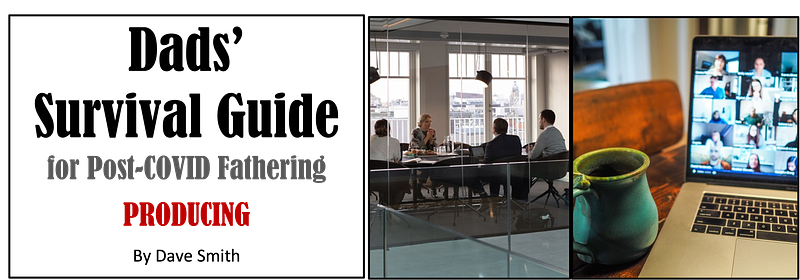
Hybrid workplace models. Flex schedules. In person vs. at home.
The great office debate is raging. And approaches are all over the map.
Some firms are going fully Pre-pandemic. Five days a week in the office. To tap the serendipitous watercooler magic. Other companies abandoned offices entirely. Counting on flex time with no commute to boost productivity and engagement.
Most are picking a variant. 3 days in, 2 days out. Or 2 days in, 3 days out arrangements.
Return to Office (RTO) plans can be mandated. With attendance rules and requirements. Others are chock full of incentives. Trying to induce folks to return voluntarily.
There’s plenty of research to support either position. Studies showing productivity at home is no lower than in the office. And data illustrating in-office collaboration is best.
So, which model is right?
Truth is, nobody has a clue. Leaders are basically sticking a finger in the wind. And hoping to pick the right direction.
Sadly, most are looking in the wrong direction.
Collaborating effectively is not a function of where people work. Better teamwork stems from how people work. And most companies are falling woefully short. Missing the mark. On the basics. The fundamentals. Proven principles and best practices of workload management.
Fortunately, a few simple changes can have a huge impact. On performance. And employee well-being.
The Busyness Vortex
“Toxic culture is the single best predictor of attrition during the Great Resignation,” notes research from the MIT/Sloan Business School. “Ten times more important than compensation in predicting turnover.
Ahhh….too bad for those poor saps with toxic workplaces. Luckily, we have a glorious company culture. Nothing to worry about with us.
Hmmm.
While shady ethics, bullying bosses and backstabbing team members are notoriously toxic, the Society of HR Management states, ”Working in a toxic atmosphere is associated with elevated levels of stress, burnout, and mental health issues.”
Any of these symptoms sound familiar? Among our staffers?
Is there a chance elevated stress, burnout and mental trauma could result from our ‘Always On’ expectations? Grueling pressure to deliver. Constant distractions. Fire drills. Emergencies. Days spent in back-to-back-to-back meetings. Nights and weekends trying to catch up.
A vortex of busyness that can’t be broken. Leaving folks at our firm feeling anxious. Exhausted. Overwhelmed. With no prospect for change.
None of this madness is driven by where team members are located. These work conditions pre-dated the pandemic. And will likely continue indefinitely. Unless us Leaders address the root cause.
Poor workload management habits.
Communications Breakdown
In today’s flatter, leaner organizations, effective collaboration is essential. And working well with teammates — in the office, at home, across the country and around the world — requires stellar communication. Conducted mostly via meetings. And some form of email, text, or IM (Slack, Teams etc.).
Research shows the average worker spends 40+% of our day in meetings. Sorting through emails and crafting messages comprises another 30%. Meaning every staffer spends 3+ days a week back and forth-ing with colleagues and clients.
Whoa. That’s a big investment. Of people’s time. And company $$$. Certainly, leaders are ensuring all staffers are aces at these communications essentials. Right?
According to recent research more than 1/3rd of employees say email and message overload might lead them to quit their jobs. And 2/3rd believe excessive meetings prevent them from making an impact at work.
Yikes.
And on top of all these obligations, staffers are continuously interrupted. On average, 56 times per day. And according to Atlassian, “80% of these interruptions are considered trivial.”
This is the root cause. Of chronic stress. Burnout. Mental and emotional strain. Not where people work. How they work.
Better Workload Management
Leaders are prone to some bad assumptions. But there’s none worse than believing our workers know how to work best. And most efficiently.
Assuming everyone has mastered the ideal means of executing tasks, juggling priorities, dealing with unexpected problems amid all the screaming for our attention and action. Oh, and by the way, make all the correct decisions in abridged windows. To get the job done right. And on time.
That’s all. Certainly, everyone’s got that down. No matter how long they’ve been in the workforce. Or what environment they came from.
Yeah, bad assumption. Yet, commonplace. I see this at almost every company I coach with.
“As leaders, our top responsibility is to protect our employees’ time and attention,“ wrote Jason Fried, CEO Basecamp.
The best way we can protect our team members is to provide a set of Guidelines. On how best to conduct our work. What we choose can vary by company. Just be clear. Explicit. To establish unambiguous expectations. And eliminate any confusion.
Here are a handful of best practices:
· Don’t bounce from task to task: Switching back and forth is exhausting and creates more errors.
· Turn off notifications: Minimize distractions and interruptions
· Focus on the most impactful work first: Especially in the morning when our minds are freshest.
· Create Concentration Blocks: time on the calendar to focus, without interruption on key tasks or strategic initiatives.
· Define expected response times: For communications from colleagues, clients, management, etc. Immediate. Within 1 hr. 4 hrs. EOD. 24 hrs.
· Establish when to interrupt work: the specific circumstances for stopping what someone is doing to reply or take action.
· Scrutinize legacy meetings: Determine if an alternative means are possible. Reduce the time. Participants. Frequency.
· Set minimum thresholds for conducting meetings: Publish a stated objective and full agenda. Send out pre-meeting materials to prepare all participants. Facilitate effectively so everyone contributes, and the meeting outcome is met. Ensure next steps and responsibilities are clearly articulated and documented. And post meeting notes publicly so even those who didn’t attend can get up to speed.
Straightforward stuff. No rocket science here. Yet incredibly impactful. At any firm. By any leader.
Which will put a smile on everyone’s face. And a spring in their step. Whether they’re at home. Or in the office.


