avatarDeb Palmer

Free AI web copilot to create summaries, insights and extended knowledge, download it at here

2214

Abstract

ticism positively. It is often associated with a balanced sense of self-worth and a willingness to serve, and help others, without seeking recognition or praise.</p><blockquote id="d0be"><p>He has shown you, O mortal, what is good. And what does the Lord require of you? To act justly and to love mercy and to walk humbly with your God. (Micah 6:8, NIV)</p></blockquote><p id="711a">Unlike humility, shame is a toxic and self-destructive emotion that can lead to feelings of isolation, low self-esteem, and self-criticism.</p><p id="1451">When I pray the Lord’s Prayer, I linger in the grace of the first line.</p><p id="4b26">“Our Father,”</p><p id="63e9">Those two words lovingly remind me, He is not just my Father, but yours as well. That means you are my sibling. It means the guy who treated me like an idiot is my brother and the woman who called me a name is my sister. It means God loves them as much as me.</p><p id="649f">That’s when I remember the shower of grace I’ve been given even when I did not deserve it. And, humbled, I feel wonderfully blessed. Not guilty nor ashamed, but truly cared for.</p><blockquote id="b685"><p>Therefore, as God’s chosen people, holy and dearly loved, clothe yourselves with compassion, kindness, humility, gentleness, and patience. (Colossians 3:12, NIV)</p></blockquote><p id="7b26">Humility gets a bad rap.</p><p id="500b">The origin of the phrase “Eating Humble Pie” dates back to medieval times in England. In those days, “umbles” (from Old French “nombles”) referred to the edible inner organs of an animal, especially the deer. These parts were considered less desirable and were typically given to servants or the lower classes. A pie made from these humble parts became known as “umble pie” or “humble pie.” It symbolized a meager or inferior meal.</p><p id="db3a">I’ve experienced the opposite return when eating my own humble pie. I’ve never once regretted giving an apology or being kind to someone who got under my skin. Likewise, extending forgiveness has never left me dry or sorry. Truth is, whenever I forgive someone, yes, even the one I thought I never could, I walk away abundantly blessed and grateful.</p><p id="77b9">Every time.</p><blockquote id=

Options

"8683"><p>But he gives us more grace. That is why Scripture says: ‘God opposes the proud but shows favor to the humble.’ (James 4:6, NIV)</p></blockquote><blockquote id="2c41"><p>For those who exalt themselves will be humbled, and those who humble themselves will be exalted. (Matthew 23:12, NIV)</p></blockquote><p id="f69d">I once believed I must strive to be better than others. That didn’t work out well for me. I consider humility a virtue that fosters a closer relationship with God and promotes better relationships with others.</p><p id="4ff9">Today I ask God every morning to convict (not condemn) me. To show me what I need to sweep out of my heart.</p><p id="08b9">So, yes, I’ll take another serving of Humble Pie.</p><div id="2411" class="link-block"> <a href="https://debpalmer999.medium.com/subscribe"> <div> <div> <h2>Get an email whenever Deb Palmer publishes.</h2> <div><h3>Get an email whenever Deb Palmer publishes. By signing up, you will create a Medium account if you don't already have…</h3></div> <div><p>debpalmer999.medium.com</p></div> </div> <div> <div style="background-image: url(https://miro.readmedium.com/v2/resize:fit:320/0*Fmq12H7QDzqs6r0e)"></div> </div> </div> </a> </div><p id="4d0a">If you’d like to know how God changed our lives and hearts, check out our book.</p><div id="3b05" class="link-block"> <a href="https://www.amazon.com/Spite-Us-Story-Second-Chances/dp/1644164361/ref=tmm_pap_swatch_0?_encoding=UTF8&amp;qid=&amp;sr="> <div> <div> <h2>In Spite Of Us: A Love Story about Second Chances</h2> <div><h3>"In Spite of Us," is an uplifting true story about an ordinary couple struggling to change. It's written in two…</h3></div> <div><p>www.amazon.com</p></div> </div> <div> <div style="background-image: url(https://miro.readmedium.com/v2/resize:fit:320/0*sVi3BAl3f4habMV5)"></div> </div> </div> </a> </div></article></body>

Humble Pie

Truly the most satisfying pie ever
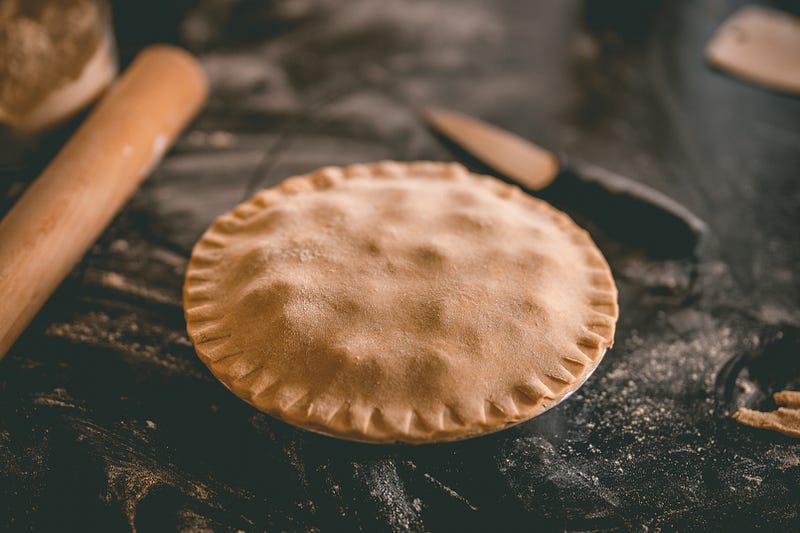
Photo by Rob Wicks on Unsplash

I’ve eaten my share of pie. I prefer pie over cake any day.

My favorite?

Humble Pie!

Don’t bother looking for the recipe. The recipes out there have nothing to do with the pie I am referring to.

The saying “Eating humble pie” means to be forced to admit your errors, mistakes, or wrongdoings and to be humble or contrite about it. It’s often used when people must face the consequences of their actions or words, especially after displaying arrogance or overconfidence.

Essentially, it means accepting and acknowledging one’s faults with humility.

Before judging my sanity, please hear me out. Many of us think of humility as a punishment. We equate it with shame. We picture someone with their head down, when in reality, humility fills us with gratitude and peace tipping our face in the right direction.

Humility is a positive, virtuous quality that involves a modest view of oneself and a willingness to acknowledge one’s limitations, weaknesses, and mistakes. If you hang around people in recovery, you’ll learn that humility is about being right-sized. Not less than or better than.

Do nothing out of selfish ambition or vain conceit. Rather, in humility value others above yourselves. (Philippians 2:3, NIV)

Shame, on the other hand, is a negative and painful emotion that arises when one perceives themselves as inherently flawed, unworthy, or fundamentally bad due to their actions or perceived shortcomings.

Humility promotes a sense of gratitude, empathy, and the ability to see the value in others. It allows for genuine self-reflection and the ability to take constructive criticism positively. It is often associated with a balanced sense of self-worth and a willingness to serve, and help others, without seeking recognition or praise.

He has shown you, O mortal, what is good. And what does the Lord require of you? To act justly and to love mercy and to walk humbly with your God. (Micah 6:8, NIV)

Unlike humility, shame is a toxic and self-destructive emotion that can lead to feelings of isolation, low self-esteem, and self-criticism.

When I pray the Lord’s Prayer, I linger in the grace of the first line.

“Our Father,”

Those two words lovingly remind me, He is not just my Father, but yours as well. That means you are my sibling. It means the guy who treated me like an idiot is my brother and the woman who called me a name is my sister. It means God loves them as much as me.

That’s when I remember the shower of grace I’ve been given even when I did not deserve it. And, humbled, I feel wonderfully blessed. Not guilty nor ashamed, but truly cared for.

Therefore, as God’s chosen people, holy and dearly loved, clothe yourselves with compassion, kindness, humility, gentleness, and patience. (Colossians 3:12, NIV)

Humility gets a bad rap.

The origin of the phrase “Eating Humble Pie” dates back to medieval times in England. In those days, “umbles” (from Old French “nombles”) referred to the edible inner organs of an animal, especially the deer. These parts were considered less desirable and were typically given to servants or the lower classes. A pie made from these humble parts became known as “umble pie” or “humble pie.” It symbolized a meager or inferior meal.

I’ve experienced the opposite return when eating my own humble pie. I’ve never once regretted giving an apology or being kind to someone who got under my skin. Likewise, extending forgiveness has never left me dry or sorry. Truth is, whenever I forgive someone, yes, even the one I thought I never could, I walk away abundantly blessed and grateful.

Every time.

But he gives us more grace. That is why Scripture says: ‘God opposes the proud but shows favor to the humble.’ (James 4:6, NIV)

For those who exalt themselves will be humbled, and those who humble themselves will be exalted. (Matthew 23:12, NIV)

I once believed I must strive to be better than others. That didn’t work out well for me. I consider humility a virtue that fosters a closer relationship with God and promotes better relationships with others.

Today I ask God every morning to convict (not condemn) me. To show me what I need to sweep out of my heart.

So, yes, I’ll take another serving of Humble Pie.

If you’d like to know how God changed our lives and hearts, check out our book.

Spirtuality
Lifestyle
Christianity
Koinonia
Living
Recommended from ReadMedium