
Human-washing: Jumping on the brand wagon
Are companies really as great as they say they are?
“A bit like when you talk about green-washing, I’m wary of design that would be used as human-washing, where all of a sudden all companies, even the worst ones, become ethical, social, politically engaged, altruistic etc. And if design colludes with this type of hijacking then I think design becomes a weapon to manipulate others.” — Geoffrey Dorne
There’s a growing positive correlation between who an organisation says they are, and who they really are. Since they need to contend with the radical transparency brought about by an increasingly connected world, it’s getting harder to say they’re one thing yet be something else.
But there’s still a gap. Of course, there are plenty of headlines about some of the great things organisations do to help their employees or have a positive impact on society. Nike, Sprite, Rimmel, Warby Parker, Starbucks, Pearl Jam, Ben & Jerry’s, Tiger Beer, Patagonia, Microsoft, Iceland to name just a few initiatives. But there are also plenty of unethical stories such as discrimination embedded into internal culture, for example, or unacceptable levels of environmental impact. In short, bad business still exists.
It’s interesting to set this in context with the rising popularity of ethical consumerism, where we have higher expectations of the values of the brands we use. We often engage on a much deeper level with these brands than simply purchasing their products and services, and it’s more important to us than ever that we are supporting good causes and discouraging bad ones. We need to be doing two things: forcing unethical brands to become ethical ones, and then making brands accountable for the ethical claims they make.
So what exactly does human-washing mean? If there’s so much transparency, is it even possible for brands to lie about who they are? And what does any of this have to do with design?
What is human-washing?
Human-washing is a term coined by Geoffrey Dorne (so far as I’m aware) in a documentary about ethical design. It’s a play on ‘green-washing’ which is when brands deceptively use green marketing to promote the perception that their products, aims or policies are environmentally friendly. Instead of focusing on just being environmentally friendly though, human-washing brands in particular want to be seen as socially and politically engaged.
Now let’s face it, companies are savvy. Since it’s so important to us that brands care about the same things we care about, there is a rise in companies trying to get on board with this and pretend that’s exactly what they do — that they represent the personal values we care about, even if in reality they don’t. The danger of human-washing is that it hides all the bad stuff. All the bias, discrimination, greed, pollution, exploitation which still exists. It means that the values these ‘human-washing’ brands communicate don’t reflect how the organisations themselves actually operate.
For me, the keyword in the quote at the top of the page is ‘manipulation’. At face value, we could assume that manipulation is bad and that we should avoid it. That we shouldn’t manipulate others and we shouldn’t exploit them. Fair enough, but where does ‘influence’ end and ‘manipulation’ begin? Or ‘persuade’, ‘guide’, ‘steer’, ‘encourage’… all of these words are drivers of change, which is fundamental to progress. How do we determine, across the many different cultures throughout the world, exactly when we have strayed into the wayward territory of ‘manipulation’?
I would argue that manipulation carries with it a negative association. Whereas we might ‘influence’ other people for the benefit of all (e.g. positive change that improves the world around us), if we do this purely out of selfishness then it might be considered manipulative. This means that when we’re designing and creating products, we should be aiming to create something that has a positive impact on the world, and not just our own bottom line — whether that’s a transformational societal change or a small improvement for a handful of people. I think this is what Dorne is trying to tell us.
Can brands still lie?
Yes. Although we’re experiencing unprecedented levels of transparency, let’s not get carried away. Companies are not completely transparent. And as consumers we are still heavily influenced by marketing and the stories brands tell us, even when they aren’t true.
Which isn’t to say that all brands lie in this way. One of the great things about the trend for consumers ethically demanding more from the brands they use is that companies do strive to create responsible values and reflect them in the way they act, towards both their employees and the society around them. In these cases, the branding is simply re-telling the story. But this just makes it even more shameful that human-washing exists, as it propagates an environment of mistrust that unfortunately tarnishes the good folks too. And it’s getting harder to distinguish between who is who.
So how can you trust a brand that claims to be ‘ethical, social, politically engaged, altruistic’ etc.? It’s tricky… but research can help. As consumers, we also bear responsibility for the impact these brands have, every time we use them. If we are going to demand more from them, we have to hold up the mirror to ourselves as well. And I think people do this, which is why there is this trend for ethical consumerism. It’s why people boycott brands when they believe, collectively, that these companies are ethically not up to scratch. It’s important.
The role of design
We are slowly coming to realise the power of design and therefore the responsibility we have as designers. Design is at the core of the products and services we create. It’s part of the essence of what an organisation is. So, designers should set the standard by adopting ethical, responsible design as a living mantra for the rest of the organisation in which they operate.
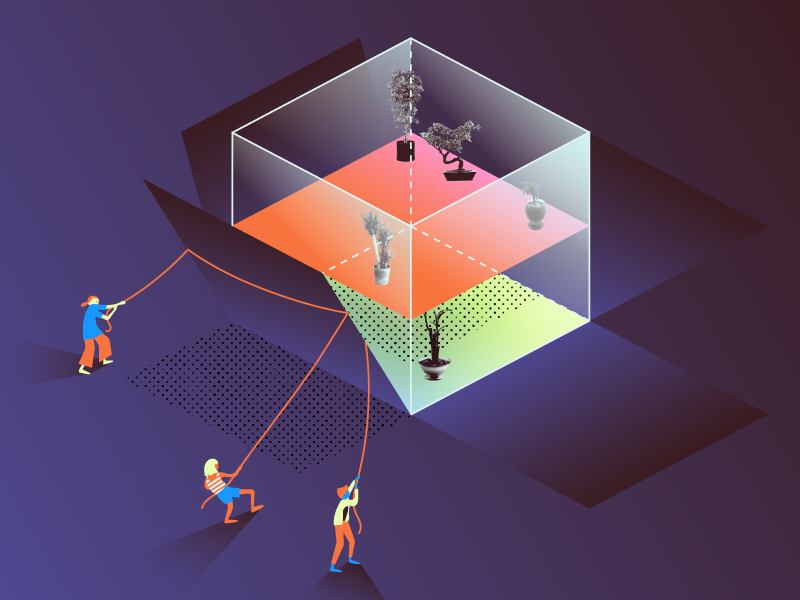
Since organisations are no longer black boxes but instead ‘glass boxes’, what goes on inside them is now part of their consumer-facing brand. Remember, in our connected world it’s getting harder to say you’re one thing yet be something else. I think design stands at the intersection between these two things. The way people interact with the products we create, how people feel about them, how they solve problems and create impactful experiences, how they connect people and help them overcome barriers, these moments all tell a story about the brand and what it stands for, and they are all direct consequences of our design approach. At the same time, people look inwards and see not just what we create, but how we create it. Ethical practice is as important as ethical intent. It’s not enough to just say how great you are, you have to be accountable for this. Branding is only half of the story, and design plays a key role in telling the other half.
“Consumers… care if a brand doesn’t talk about a social issue that they feel like the brand should talk about, with 65 percent saying they wouldn’t buy a brand due to its silence on an issue “— Kristina Monllos, Adweek
It’s increasingly important for brands that they are seen to be actively engaging with political and social issues. The pressure is on to be perceived as ‘ethical, social, politically engaged, altruistic’ etc. so it’s no wonder branding and PR teams are keen to push this. And I’m not saying they shouldn’t — but if they do, the company needs to be living up to the promises it’s making, and I think design should be a driver for this wherever possible.
This does not mean that responsibility lies solely within the realm of design, let me be clear about that. Ethical practice and ethical intent are both the shared responsibility of any and all who sign up to be part of an organisation, or indeed work as individuals. But design is a far-reaching concept, and is likely to play some role in pretty much every type of organisation I can think of. So, it stands to reason that if we can accept that our product / service design processes and approach play a crucial part in enabling organisations to really be as great as they say they are, we will be better placed for this to become a reality.
Got examples of human-washing that you’ve seen? Share your stories!