
Human Shields Are Effectively Combating Consent For Israel
This geopolitical war is one of political consent, more so than the impossibility of a military takeover.
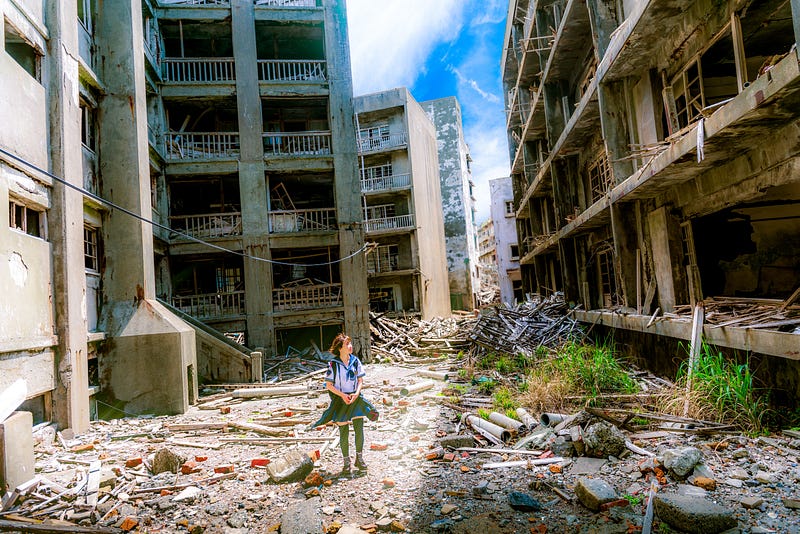
Hamas has faced accusations of using human shields in conflicts with Israel. These allegations have been made by various parties, including Israel and some international organizations. It is essential to note that the use of human shields is widely condemned under international law, as it endangers civilian lives and violates the principle of distinction between combatants and non-combatants. The topic is subject to ongoing debate and controversy.
The Palestinian conflict is a highly political one, and one in which consent needs to be manufactured for either side for international support. The Israel Defence Force (IDF) and Hamas are under a microscope, and every move they make has moral and political consequences. As of now, after the bombing of the Al-Ahli Baptist Hospital and the refugee camp, Israel may be losing support.
The human shields Hamas is accused of using seem to have the consequence of bringing attention to Israel for committing war crimes. These groups of people seem to hate each other, but the humanitarian crisis Israel is exacerbating seems to be garnishing more support for the Palestinian people, and swaying support against Israel.
Whether or not Hamas is using human shields is seemingly undermined by the fact that Israel has entrapped the population of Gaza behind a wall, leaving them without supplies. Hamas claims they are not using human shields, but the IDF vehemently claims otherwise because this war is being fought with politics as well as weaponry. Should Hamas gather more support for the Palestinian people, it is possible that international peace talks would include more rights and land for Palestinians.
Hamas may achieve its goals through politics rather than an actual military takeover, which is obviously not possible.
Both Hamas and the IDF want to manufacture consent for their causes, and at this point, both their hands are stained red with war crimes. Israel does not want to share the land any more than Hamas does as demonstrated by Israeli occupation of Palestinian areas. Following the Nabka, the areas designated for Palestinians have shrunk.
The term “Nakba” (meaning “catastrophe” in Arabic) refers to the Palestinian exodus and displacement that occurred during and after the 1948 Arab-Israeli War, which led to the establishment of the State of Israel. The Nakba is a deeply significant and traumatic event in the history of the Palestinian people. Here is what happened during the Nakba:
- 1948 Arab-Israeli War: The Nakba unfolded in the context of the 1948 Arab-Israeli War, which began in the wake of the United Nations’ approval of the 1947 Partition Plan for Palestine. This plan recommended the division of Palestine into separate Jewish and Arab states, with an international administration for Jerusalem. While the Jewish leadership accepted the plan, the Arab states rejected it, leading to armed conflict.
- Displacement and Expulsion: During the 1948 war, a significant number of Palestinian Arabs were forcibly displaced from their homes, villages, and towns. This displacement was the result of military actions, including expulsions and the fear of violence. Some Palestinians fled voluntarily to escape the conflict, while others were forcibly expelled.
- Destruction of Villages: Many Palestinian villages were depopulated and, in some cases, destroyed during and after the war. Some of these villages were later razed, and others were repopulated by Jewish immigrants or became part of the newly established State of Israel.
- Refugee Crisis: The Nakba resulted in the creation of a massive Palestinian refugee population. Hundreds of thousands of Palestinian Arabs found themselves without homes, living in temporary refugee camps in the West Bank, Gaza Strip, neighboring Arab countries, and beyond.
- Loss of Property and Land: Palestinian refugees and those who remained within the boundaries of Israel often lost their property and land. This issue remains a central point of contention in the Israeli-Palestinian conflict.
- Long-Term Impact: The Nakba had profound and lasting effects on Palestinian identity, politics, and the Israeli-Palestinian conflict. It remains a significant issue in the quest for a resolution to the conflict, as Palestinians continue to seek recognition of their right of return and restitution.
The Nakba is remembered annually by Palestinians on May 15, corresponding to the date when the State of Israel was established. The memory of the Nakba remains a powerful and emotional aspect of Palestinian national identity, and it is a central element in the ongoing Israeli-Palestinian conflict. The historical narrative and interpretations of the Nakba differ between Israelis and Palestinians, which makes it a highly contentious and complex issue.
All of this is a result, as usual, of imperial interference.
I have a friend I went to high school with whose grandparents fled Palestine during the Nakba. She receives discrimination in America for her Muslim beliefs and heritage, although many of her friends are supportive of her and what she and her family have experienced. The spread of hate is vast, and countries are deadlocked in war and proxy wars. The United States stands to disrupt the Middle East with its unyielding support for Israel in a proxy war against Iran, China, and Russia. The failures of international authoritative entities are fueling chaos, destruction, and humanitarian crises.
Hamas may be achieving its goals through deemed terrorism, but perhaps they are smarter than that and intended to bring an end to the apartheid in Gaza by obtaining the attention of the world and forcing Israel’s hand. Their desperation to get back what was once theirs seems apparent. The desperation of the bystanders in Gaza is even more apparently so. We are standing on the precipice of widespread war, and peace is more necessary now than probably ever before in history. The Doomsday Clock is closer to midnight than ever before, after all.
“States cannot bring peace, for state and peace are antithesis of each other. Move past the state, look into culture - the world won’t have peace till there is integration amongst cultures.”
― Abhijit Naskar


