
Human Rights in the Middle East
Working for a Better Future
Human rights in the Middle East vary significantly across different countries and contexts due to diverse political, cultural, and social factors. While some Middle Eastern countries have made progress in improving human rights conditions, others continue to face challenges and criticisms in this area. It’s important to note that the situation is complex and cannot be generalized to the entire region. This Global Compass-inspired article will delve into some of the human rights challenges facing the Middle East
Freedom of Expression
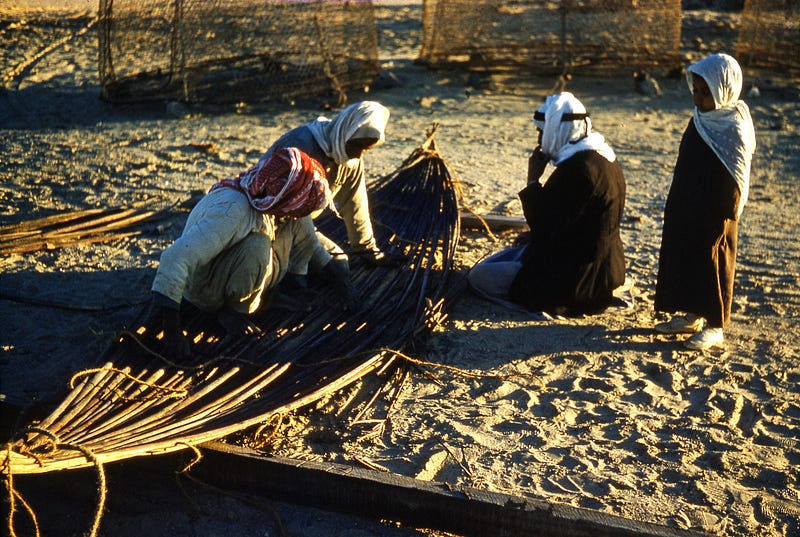
Many Middle Eastern countries have limitations on freedom of expression, particularly when it comes to criticism of the government, religious figures, or sensitive topics. Journalists, activists, and bloggers may face censorship, harassment, or imprisonment for expressing dissenting opinions.
Political Freedom
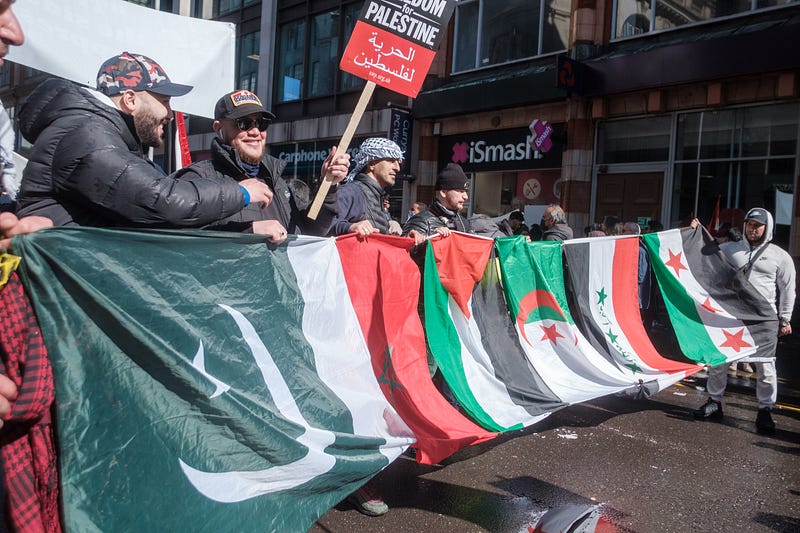
Political freedom and the right to participate in free and fair elections can vary widely. Some countries have autocratic regimes where political opposition is suppressed, while others have more open political systems.
Women’s Rights
Gender inequality remains a significant issue in parts of the Middle East. While progress has been made in some countries, women still face challenges such as limited access to education, restricted employment opportunities, and unequal legal rights in areas such as marriage, divorce, and child custody.
Religious Freedom
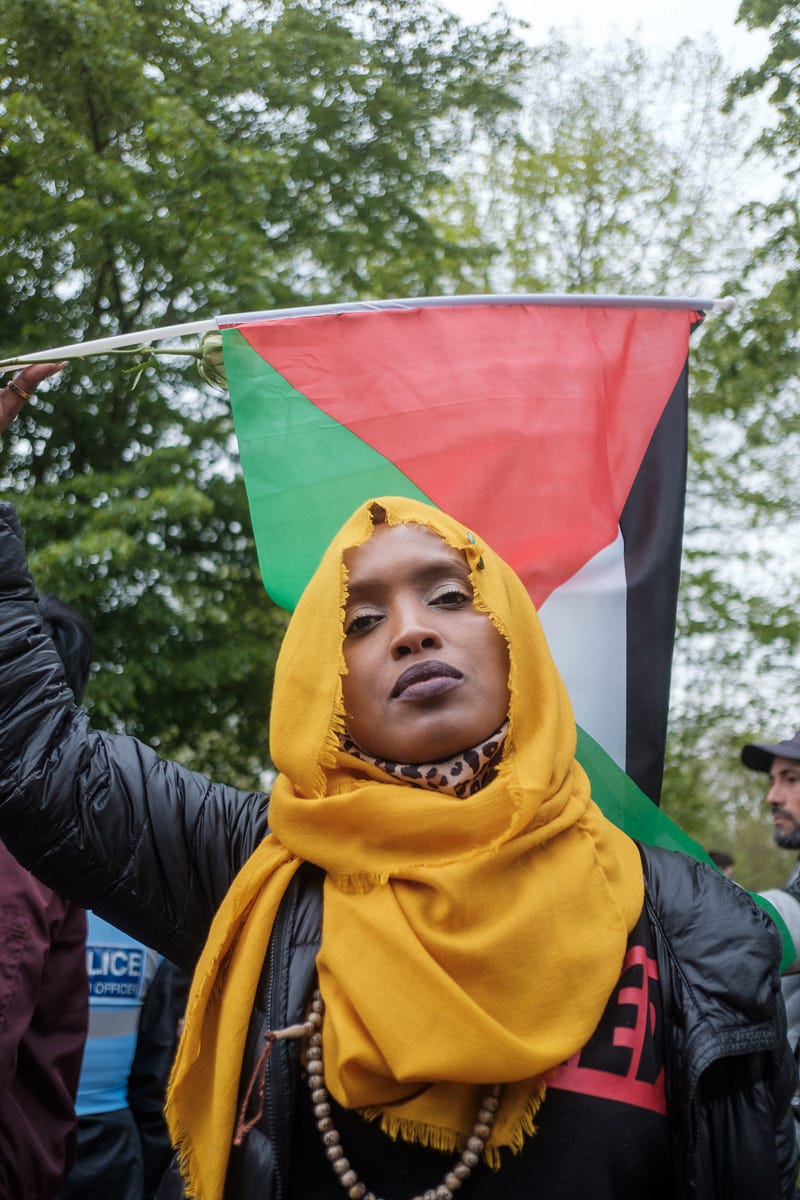
While some Middle Eastern countries have a diverse range of religious groups coexisting, others have more restrictive policies that limit the practice of religions other than the dominant one. Religious minorities may face discrimination or restrictions on their religious practices.
Labor Rights
Migrant workers in the Middle East often face exploitative working conditions, including non-payment of wages, confiscation of passports, and poor living conditions. Labor laws and protections can vary, and enforcement may be inadequate.
Human Trafficking
The Middle East is a source, destination, and transit region for human trafficking, particularly for forced labor and sexual exploitation. Vulnerable populations, such as migrant workers, refugees, and women, are often at risk.
Refugee Rights
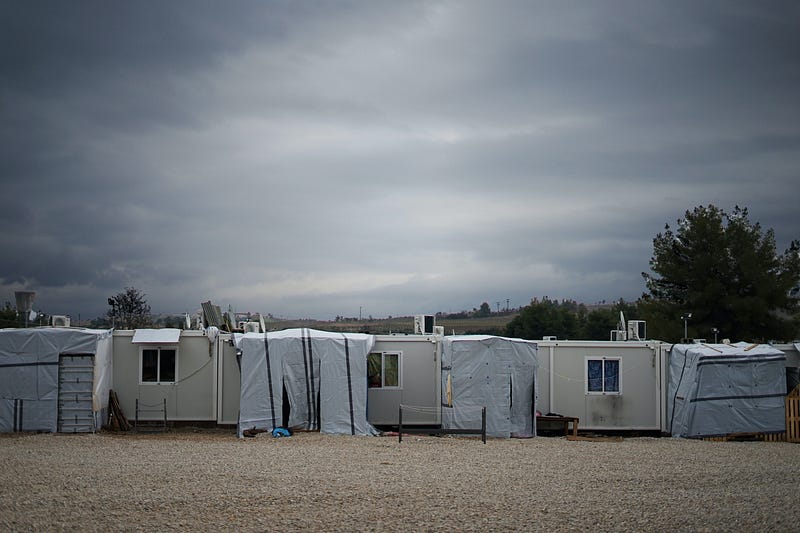
The Middle East has been a region of significant refugee flows due to conflicts in countries like Syria, Iraq, and Yemen. Refugees often face challenges accessing basic services, education, and employment in host countries.
It’s important to recognize that the human rights situation varies widely across the region and is influenced by historical, cultural, and political factors. Some countries have taken steps to improve human rights conditions, while others continue to face challenges. International human rights organizations, governments, and civil society play roles in advocating for and monitoring human rights in the Middle East.
Follow Global Compass for more blogs about human rights in the Middle East.
Follow Global Compass, a platform write about human rights in the Middle East and lightens the mood with the best international cuisine recipes, travel blogs, and language guides.
Subscribe to receive new blog updates via email.