
Human Resources in 5 Minutes
Succeed in business by building a solid people foundation

What makes a business successful in the 21st century?
They need to have the right resources, whether it’s money or technology, and also the capability to put them to good use. Human resources plays a vital role in the second part.
“No matter the industry, all companies have one thing in common: they must have people to make their capital work for them.” — University of Minnesota
People are central to business success, there’s no doubt about it. And human resource management (HRM) is exactly about the people — how we develop strategies and processes to attract them, hire them, train them, pay them, and retain them to meet our business goals.
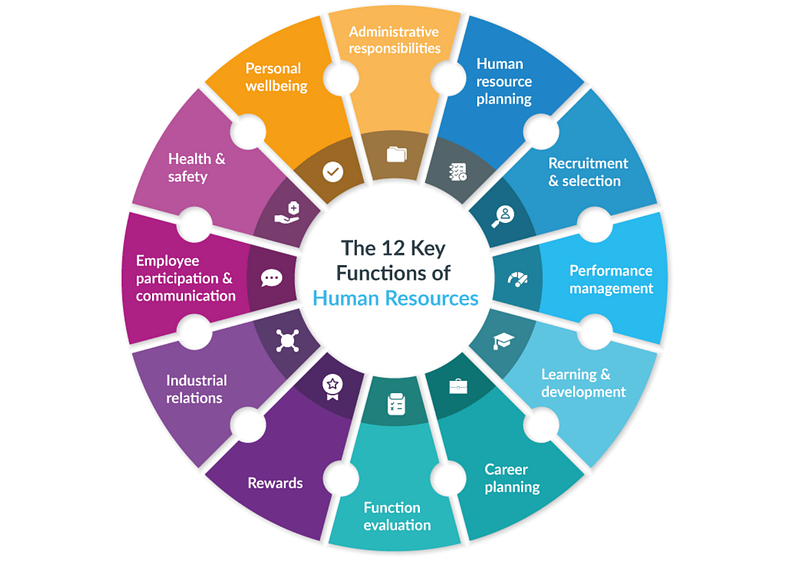
No matter what we have, whether it’s money or technology, we need the right people to operate it. If we don’t have the right people, money is like paper, and technology is like metallic trash.
Putting our physical and intellectual resources into the hands of the right people — that’s the core purpose of HR.
What is Human Resources NOT?
When people think about HR, they think of payroll, paperwork, and forms after forms — it’s all administration. That’s not the way to do it.

HR is so much more than that. It’s inseparable from a company’s central mission and strategy — it directly contributes to them.
Without the people to make it happen, our mission becomes null.
Top reasons businesses fail
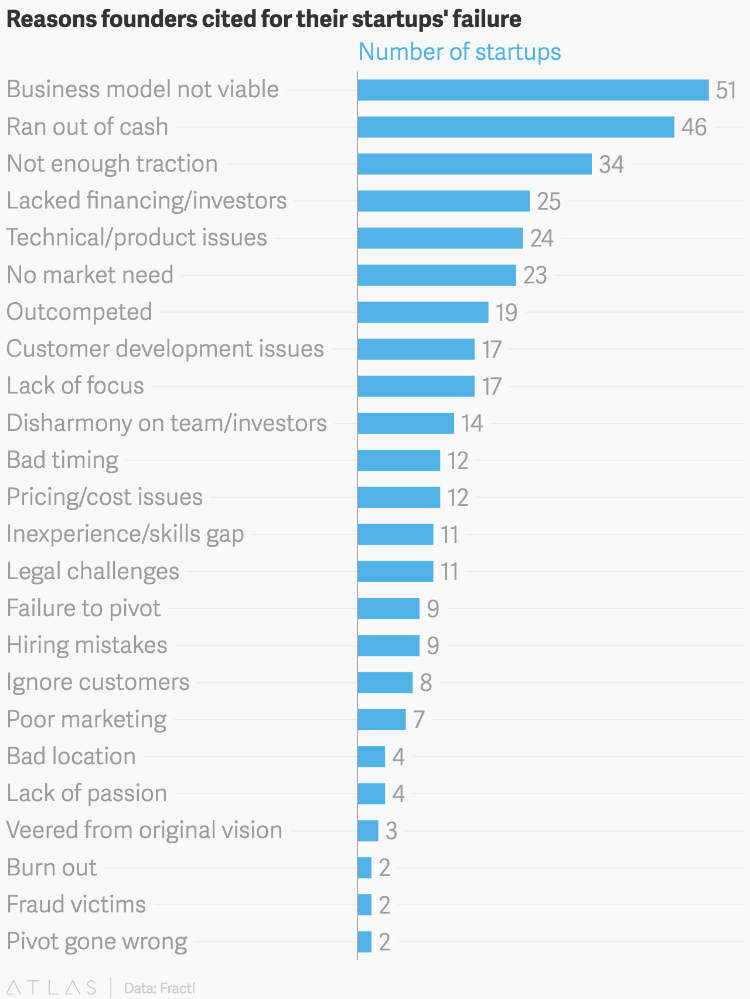
Every issue traces down to a people issue.
- Bad business model and bad product? The leadership team wasn’t competent enough to set the right strategy.
- No financing and ran out of cash? The finance people didn’t plan out the cash flows sustainably.
- Team disharmony and inexperience? Quite obviously an HR issue. They didn’t build proper team dynamics and give them the right training to do their job.

So what is HR?
HR is four things: strategy, work, process, and people
Traditionally, we see businesses failing to maximize their HR potential because they either focus only on the work or only on the processes.
When the primary focus of the HR department is to get the work done, they become short-sighted. In the long term, people leave, and the firm is left facing a shortage skilled talent to do what’s needed.
That’s because they only care about getting the work done now — they can’t retain people and keep them productive if they don’t care about their people.
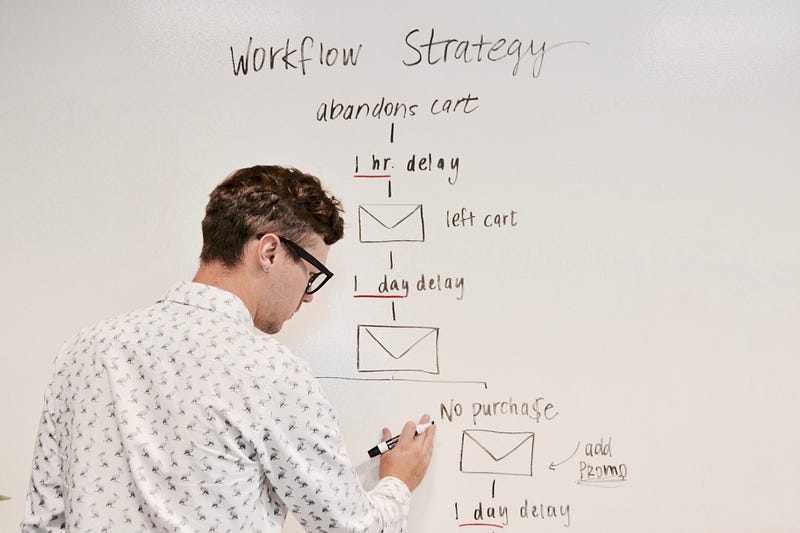
Another major pitfall is focusing only on the processes — from recruitment and hiring to training and orientation. It becomes an administrative pipeline, and the HR department becomes a group of higher-paid administrative assistants. They don’t add any value.
The four components (strategy, work, process, and people) must come together for HRM to drive business success — let’s talk about them one at a time. But first, a brief overview of the HRM process.
The Human Resource Management Process
In a typical real-life HRM scenario, we start with the strategy and mission, then go into analyzing the external environment and our internal capabilities. Based on that knowledge, we’ll formulate an HR strategy and implement it.
If you’ve read my article explaining Marketing Strategy, you’ll see similarities between the two processes. This is no coincidence — the way business strategy is formed is transferrable across business functions, usually following a pattern like this:
Mission & Objectives → Environment Analysis → Capabilities Analysis → Strategy → Implementation → Monitoring

The 4 Core Components of HRM
#1: Strategy
What is our company trying to become?
Our resources and efforts are limited, so we want them all to push in the same direction. That direction is our mission — where we want to go — which is embodied in our strategy.
Our HR planning needs to align both vertically and horizontally. Vertically with the strategy and broader business objectives, and horizontally with other functions and departments like finance and production.
We need to plan our human resources in a way that’s centered around the business’s overall strategy, of how we’ll use human capital to meet strategic objectives. That informs the next stage, work.
#2: Work
What needs to be done?
To get from point A to point B, we need action. In business, that translates into work. So the 2nd part calls for an understanding of the work that needs to be done to get us to our ideal place.
This is what HR can do here:
- Identify the work that needs to be done for a company to operate and grow to meet its mission and objectives.
- Then, design jobs and positions that cover those work.
This way, we ensure two things. First, executing our HR processes will actually get us somewhere meaningful, Second, we’ll know what kinds of people we need to hire and retain based on job design.
#3: Process
Processes are what we traditionally associate with HRM — recruit, select, onboard, train, develop, and evaluate.
After we’ve designed our job openings and know what positions we need to fill, we go through this entire series of processes in an effort to get the right people to fill each role.
All these processes serve one purpose: to put the right people in the right roles so they can do the best job possible to meet our goals.
It’s about developing robust and equitable standards and procedures and foreseeing the future and getting on top of social and technological trends to attract the best talent, matching labor supply to demand optimally.
#4: People
How do we keep these people with us?
Finally comes the people part. We need to keep our people satisfied and motivated so they won’t leave us for another industry or our rival. We need to appreciate them, recognize them, respect them, and prioritize them.
The goal? To retain them, because it costs so much to go through the process of hiring and training new people.
A company’s biggest asset is loyal and capable people.
The biggest reason people leave companies is dissatisfaction. If we can keep them satisfied with their job, the people they work with, and the company, they’ll stay with us more like than not.
This is how companies improve satisfaction:
- Compensation — pay, benefits, bonuses, commissions, and non-financial rewards (SAS has a full childcare program)
- Recognition — appreciate, respect, value
- Environment — safe conditions, protecting physical & mental health
- Transparency — clear communication, reporting channels, procedural fairness, “open doors”
If you made it here, you’ve built a big picture view of how HR works and why it matters. Whether you’re going into a business, strategy, or another kind of role, knowing the people part of business is vital to success.
Quick Recap
- Human resources management is using human capital strategically to meet business goals.
- In every business function, we follow this process to turn ideals into reality: Mission & Objectives → Environment Analysis → Capabilities Analysis → Strategy → Implementation → Monitoring
- HR = strategy, work, process, people
As always, thanks for reading!
Click here to join my email list and not miss similar content I share.
Not a Medium member yet? Consider joining 60+ million active readers with unlimited access. I’ll receive a small fee at no added cost to you.


