
Human-Induced Lunar Transformation: Golf Balls, Photos, and Human Waste on its Surface
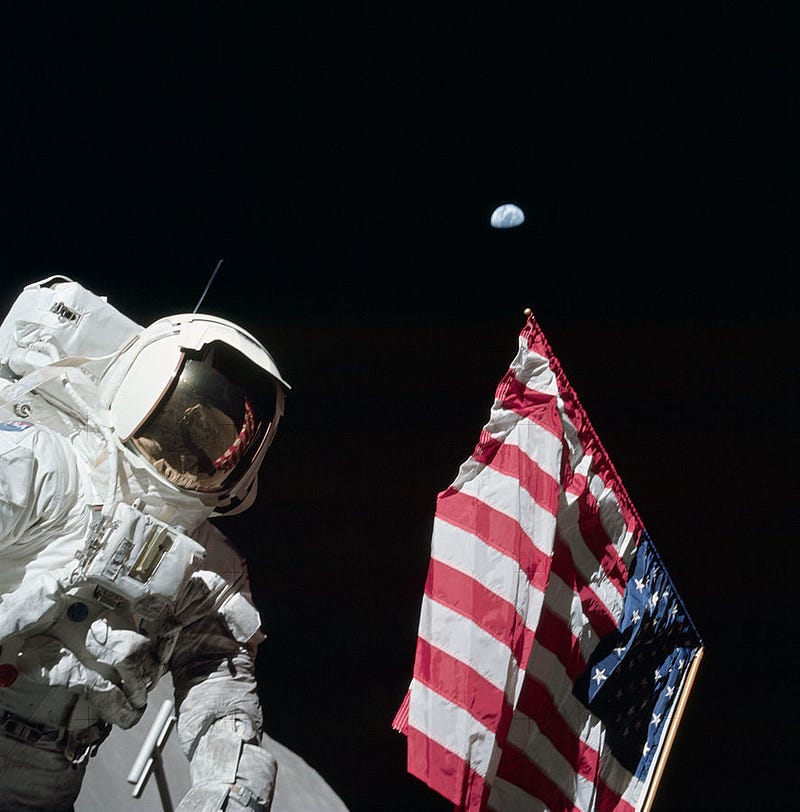
It’s time to recognize that humans have become the dominant force shaping the lunar environment. It’s time to declare a new geological epoch: the lunar Anthropocene. The Silver Globe bears not just parts of spacecraft but also human waste, golf balls, and photographs.
.jpg)
Many believe space remains virgin territory, untouched by humans. Looking at the vastness of the Universe, that might hold true. However, humans are increasingly exploring the Solar System. This is especially true for the Moon, where humans are already altering the natural environment.
The Lunar Anthropocene
Humans first disturbed lunar dust on September 13, 1959, when the Soviet spacecraft Luna 2, an unmanned mission, collided with the natural satellite of Earth.
In the subsequent decades, over a hundred other spacecraft landed on the Moon, both manned and unmanned. Some didn’t just land but crashed onto its surface.
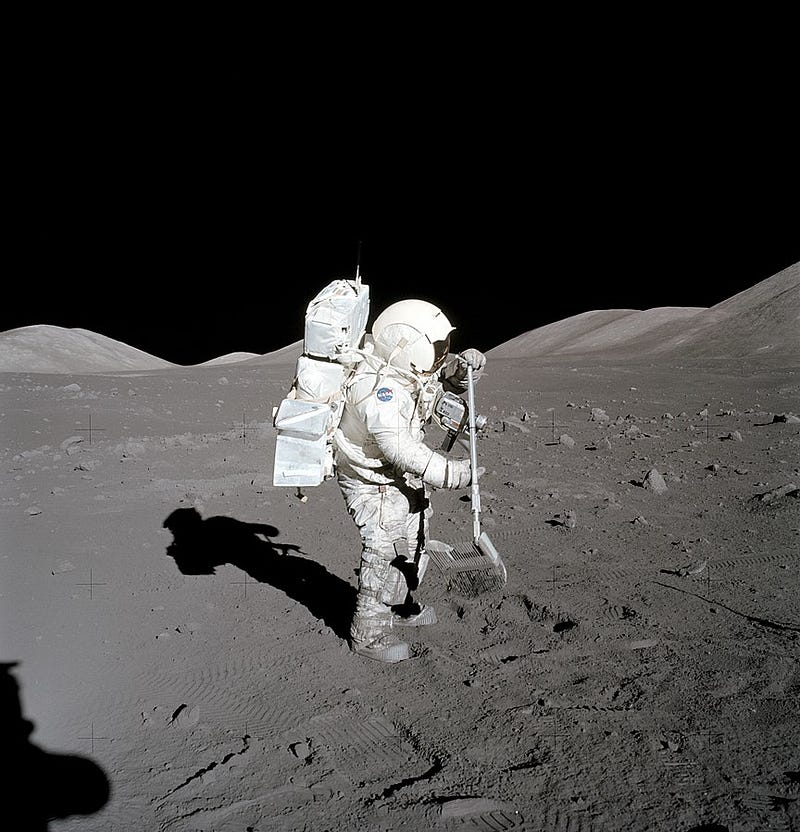
The manned landings by Americans from 1969 to 1972 had the most significant impact. During this period, numerous items from Earth reached and remained on the Moon. American researchers highlighted this intense human activity on the Moon in the scientific journal ‘Nature Geoscience.’
Simultaneously, they cautioned that in the coming years, planned missions and projects would dramatically alter the face of the Moon.
According to anthropologists and geologists from the University of Kansas, it’s time to acknowledge that humans have become the dominant force shaping the lunar environment. They propose announcing a new geological epoch for the Moon: the lunar Anthropocene.

Humans on the Moon — What’s Next?
Anthropocene is a term previously used to describe a proposed geological epoch on Earth characterized by significant human influence on the planet’s ecosystem and geological system.
However, it turns out that humans are already significantly shaping the Moon. “Cultural processes are beginning to surpass the natural background of geological processes on the Moon,” says the lead author of the article, Dr. Justin A. Holcomb from the Kansas Geological Survey at the University of Kansas in the USA.
“These processes include displacing sediments on the Moon, including meteoroid impacts and mass movements. However, considering the influence of rovers, landers, and human activity significantly disrupts the regolith (lunar dust),” adds the scientist.
Therefore, according to the expert’s assessment, with the ongoing space race, the lunar landscape will be completely different in 50 years.
“Our goal is to initiate a discussion about human impact on the lunar surface before it’s too late,” emphasized Dr. Holcomb.
.jpg)
Dumping Ground on the Moon
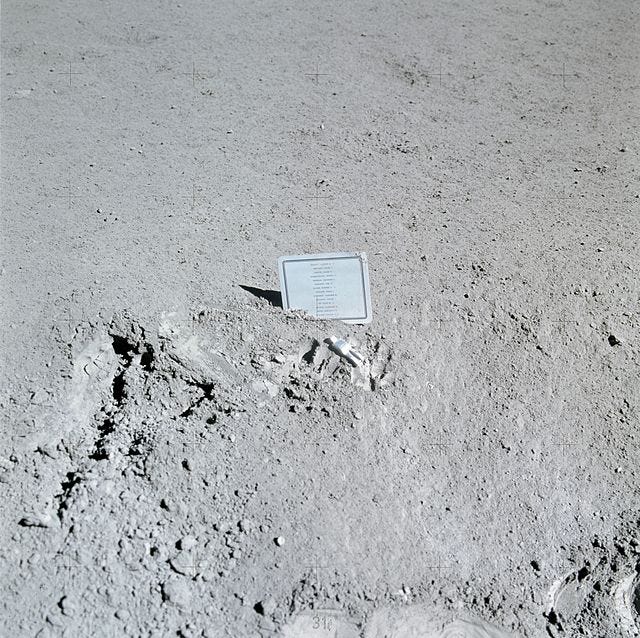
So far, humanity in space hasn’t adhered to the principle of not impacting the surrounding environment. Lunar missions serve as evidence. The article’s authors note that on the surface of the Silver Globe are “discarded and abandoned elements of spacecraft, bags of human waste, scientific equipment, and other items (such as flags, golf balls, photographs, religious texts).”
“We know that although the Moon lacks an atmosphere or magnetosphere, it possesses a delicate exosphere composed of dust and gas, as well as ice within permanently shadowed areas, and both areas are susceptible to the spread of gases (from spacecraft — editor’s note),” wrote the authors.
In their assessment, future missions must consider mitigating their harmful impact on the lunar environment.

Lunar Archaeology
By initiating a conversation about the lunar Anthropocene, scientists aim to draw attention to the potentially negative human impact on this celestial body. They also want to raise awareness about preserving historically valuable sites that currently lack legal or political protection.
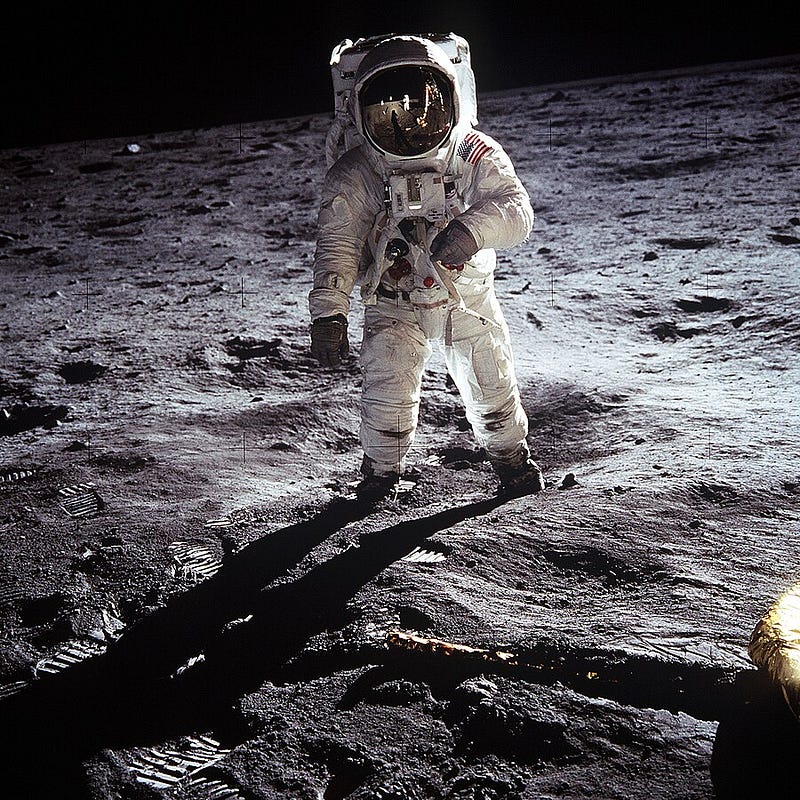
Take, for example, the location of the first Apollo 11 moon landing in 1969. To this day, the lower part of the spacecraft Eagle remains at that spot. Experts liken such traces on the Moon to archaeological records on Earth.
“As archaeologists, we see footprints on the Moon (left by Apollo astronauts — editor’s note) as an extension of leaving Africa, a crucial milestone in our species’ existence,” said Dr. Holcomb.
Therefore, these traces can also be considered archaeological heritage that needs protection. Future lunar missions, especially NASA’s Artemis program, could significantly impact the Moon. Especially since Americans plan a permanent human presence on the Silver Globe.
Attention all readers!
As content creators on Medium.com, we face minimal compensation for our hard work. If you find value in my articles, please consider supporting me on my “Buy Me a Coffee” page. Your small contributions can make a big difference in fueling my passion for creating quality content. Thank you for your support!

