
Human Bias and the Problem with Race-Neutral Alternatives to College Admissions
By Emely Oviedo and Dr. Benjamin M. Drury

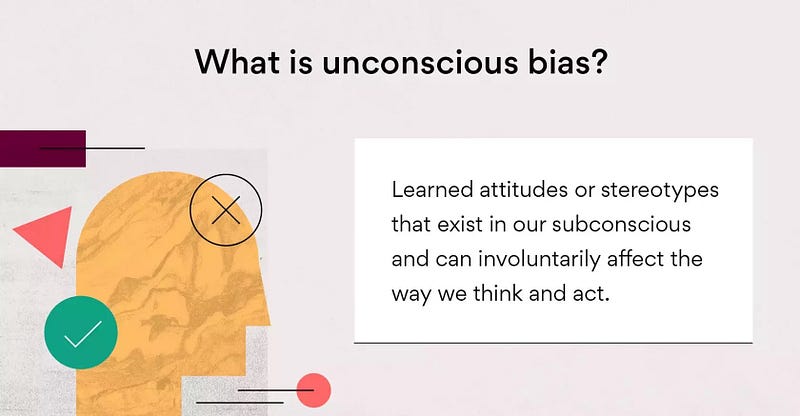
Human bias is commonly cited as an interference in a variety of human interactions. People bring biases with them everywhere they go. More frequently than not, we try to fool ourselves into thinking that we are not biased relative to other people…or more specifically people who are other than us. In college admissions is important to understand the nuanced and complex needs and services required to serve Black and Latino students because they are historically the most likely to experience discrimination on college campuses. Especially in the context of admitting Black and Latino college students, human bias in determining the future of a potential student can be a dangerous thing…and for some we can be unaware of it. Human bias refers to the unconscious or conscious preferences, stereotypes, or prejudices that individuals may have based on someone’s race or ethnicity. In college admissions, bias can affect how applicants are evaluated and can lead to unequal treatment and disparities in access and opportunities.
Bias can take different forms. One form is stereotyping, where admissions officers may rely on generalizations or assumptions about certain racial or ethnic groups rather than evaluating an applicant’s unique qualities. Bias can also lead to different expectations for applicants from different backgrounds, resulting in unequal evaluation standards. Cultural biases can favor certain cultural norms or experiences, potentially disadvantaging applicants from different racial or ethnic backgrounds. Additionally, implicit biases, which are unconscious biases, can influence decision-making without individuals being aware of it. Recognizing and addressing bias in college admissions is essential for creating a fair and equitable system. Affirmative action and other diversity-focused policies aim to counteract bias by consciously considering race and ethnicity as factors to promote greater representation and diversity. However, recent decisions by the US Supreme Court have placed limitations on race-conscious admissions, highlighting ongoing debates about the role of race in decision-making and the challenges in addressing bias effectively.
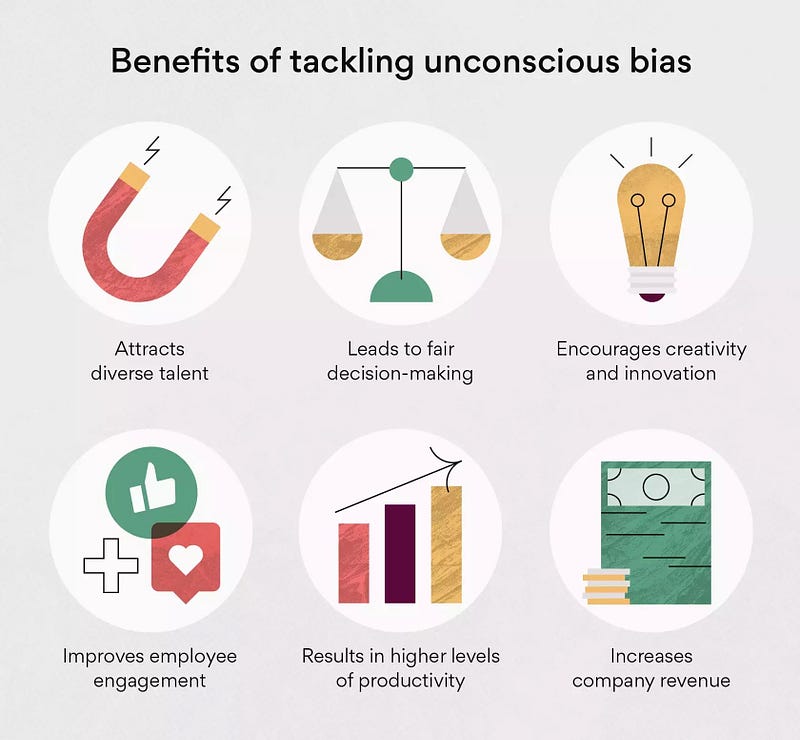
Efforts to reduce bias include implementing structured and standardized evaluation processes, providing implicit bias training to decision-makers, and promoting diversity and inclusion in institutions. It’s important for Black and Latino college students to be aware of the existence of bias and to advocate for a fair admissions process. By recognizing and actively working to mitigate bias, colleges and universities can create an admissions process that values diversity, provides equal opportunities, and fosters an inclusive environment for all applicants, including those from underrepresented racial and ethnic backgrounds.
The assertion that race-neutral alternatives may fall short in achieving the same level of representation and diversity as affirmative action has been supported by research in the field of higher education. Several studies have examined the impact of race-neutral admissions policies, such as class-based affirmative action or socio-economic factors, on student diversity. One notable study by Arcidiacono, et al. (2016) analyzed the effects of a race-neutral policy implemented in the University of Texas after the Supreme Court’s ruling in Fisher v. University of Texas. The researchers found that while the policy increased the representation of underrepresented minority students, it still fell short of the levels achieved through race-conscious admissions. The study indicated that race-neutral alternatives did not fully compensate for the absence of affirmative action in terms of diversity.
Another study conducted by Espenshade and Radford (2009) explored the impact of using socioeconomic factors as a race-neutral alternative to achieve diversity. The researchers found that although considering socioeconomic status did lead to some increase in the representation of underrepresented groups, it did not fully address the racial disparities present in higher education admissions. The study suggested that race-neutral alternatives tend to overlook the unique challenges and experiences faced by underrepresented minority students.
Furthermore, research has shown that race-neutral policies may exacerbate existing disparities in higher education. Studies have found that without the consideration of race, highly selective institutions tend to enroll higher proportions of students from privileged backgrounds, predominantly White and affluent individuals, while students from underrepresented racial and ethnic groups face greater barriers to access and representation.
Affirmative action is just one component of a holistic admissions process that considers various factors to evaluate an applicant’s potential for success. The decision overlooks the value of a diverse student body and the benefits it brings to the educational environment, including improved critical thinking, cultural awareness, and the promotion of inclusive perspectives. The decision fails to consider the historical and ongoing systemic inequalities faced by certain racial and ethnic groups. Affirmative action seeks to address these inequalities by providing opportunities for individuals who have been historically disadvantaged due to structural racism. By striking down affirmative action, the court’s decision may perpetuate existing disparities and hinder progress toward a more equitable society. Current research suggests that race-neutral alternatives alone may not achieve the same level of diversity and representation as affirmative action. The court’s decision to strike down affirmative action can, therefore, be seen as potentially undermining the pursuit of meaningful diversity in higher education by not adequately addressing the racial disparities and systemic inequalities that affirmative action aims to mitigate.