
Huge Benefits of How to Make Healthy Choices with Lemon
In Response to Dancing Elephants prompt 23 of 52


I would like to thank Dr. Preeti Singh from Dancing Elephants Press for the writing prompt used to create this article. She shared her thoughts about this subject at https://readmedium.com/fruits-are-natures-gift-of-wellness-634b558bbcb8. The prompt she provided was to write an article that could provide readers with our thought on any of the following subjects:
Which fruits do you find special? Tell us a story about which fruits you enjoy eating. Do you feel duty bound to eat some fruits as they give good health? Have you found some benefits of eating fruits on your health? Give us an anecdote about fruits in your life. Do you have any special memories of fruits in your life? Share some recipes with fruits.
Dear Reader,
Introduction
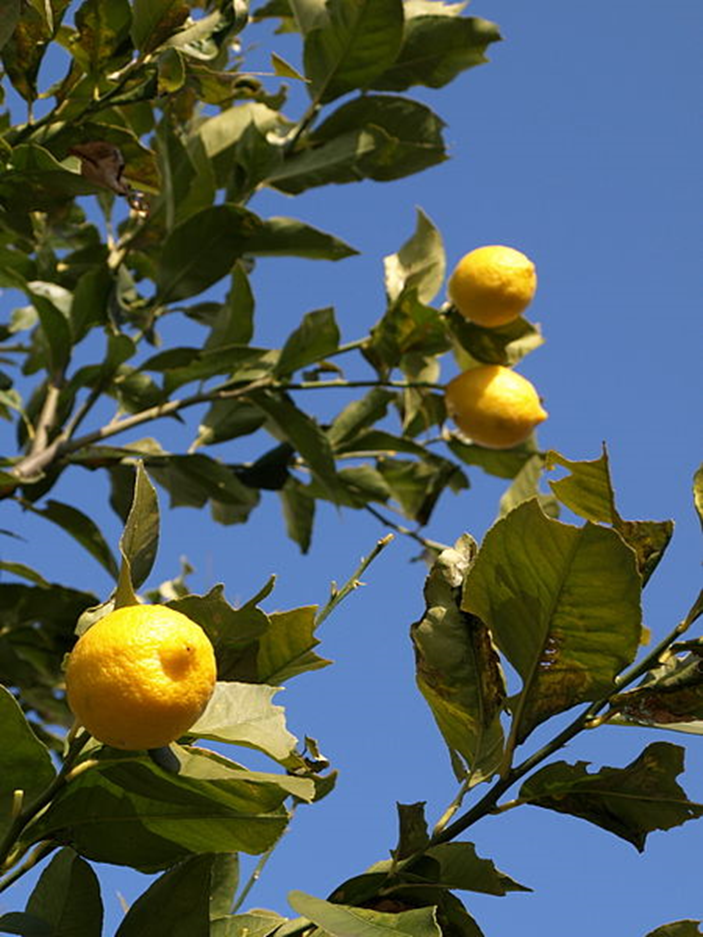
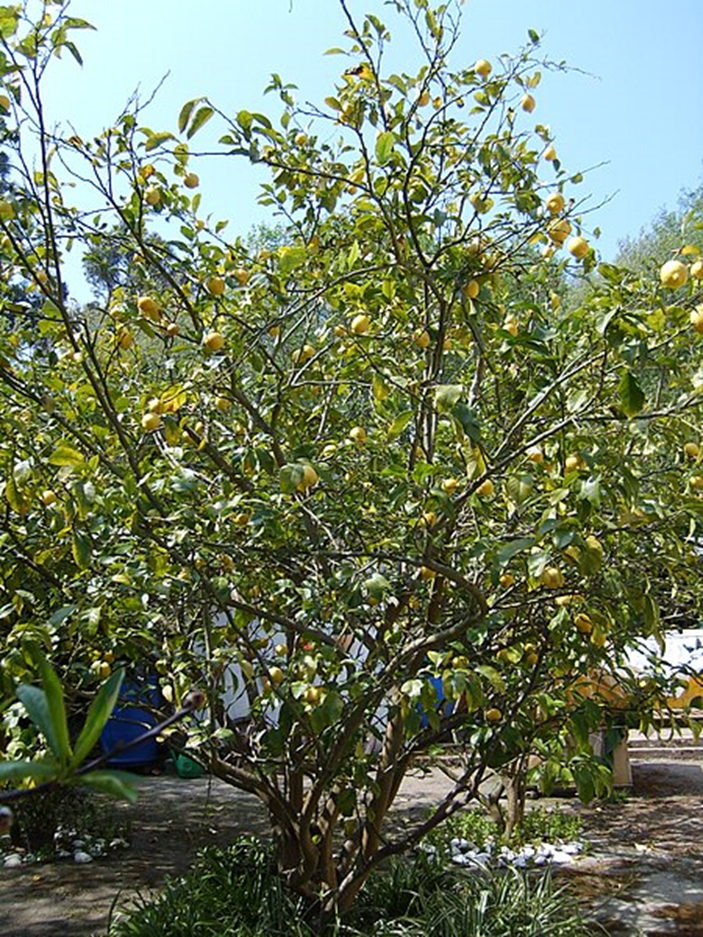
I chose to write my article on the magical fruit called the lemon. So, what is a lemon? The definition I found was that a lemon is a species of a small evergreen tree in the flowing plant family Rutaceae, native to Asia, Northeast India (Assam), Northern Myanmar, or China.
Ok, you say, what is Rutaceae? It is a family of plants more known as the rue or citrus family of flowering plants. Lemon — Wikipedia
The lemon is in the same family as other citrus trees, the grapefruit, lime, and Boronia. Most people know what grapefruit, lemon, and lime look and how they taste but what is boronia? Lemon — Wikipedia
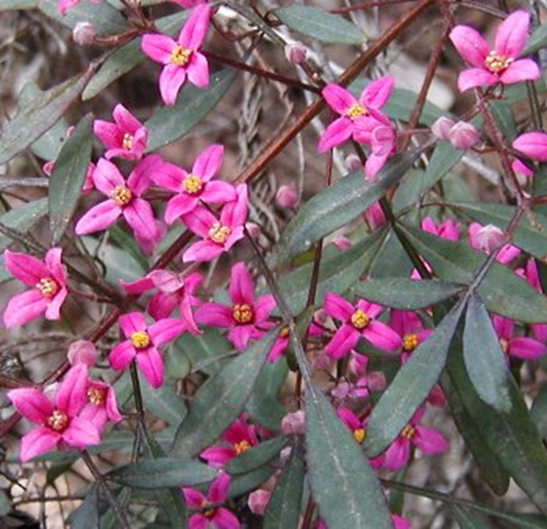

Boronia is a genus of about 160 species of flowering plants. Most are found in Australia, and a few are found in New Caledonia. Boronias grow in open forests or woodlands, and sometimes in rainforests or arid areas. Lemon — Wikipedia
They have perfumed flowers and are regarded as desirable plants in gardens. They are difficult to grow in cultivation. All species require good drainage and part shade. Lemon — Wikipedia
Ok, now that we have an understanding both of what a lemon is and of Boronia let’s begin our discussion with the lemon. I think you will be surprised by how versatile this fruit is. I enjoyed researching this information and it is my hope and desire that you will enjoy reading.
Who knows, perhaps you may have a better understanding of how this fruit is used. Caution: The pictures in this article may make you salivate. Enjoy the article!


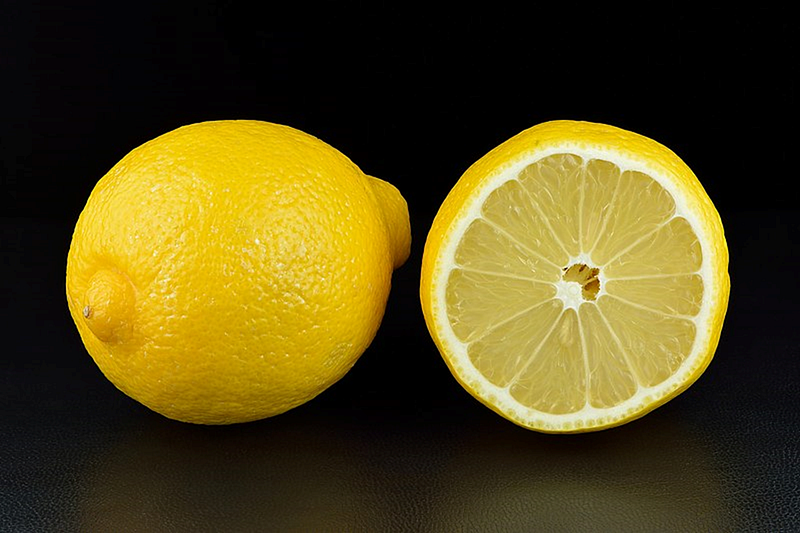
Lemons grow on trees and are ellipsoidal yellow fruit used for culinary and non-culinary purposes throughout the world. Most people use it for its juice used in both culinary and cleaning. The pulp and rind are used in cooking and baking.
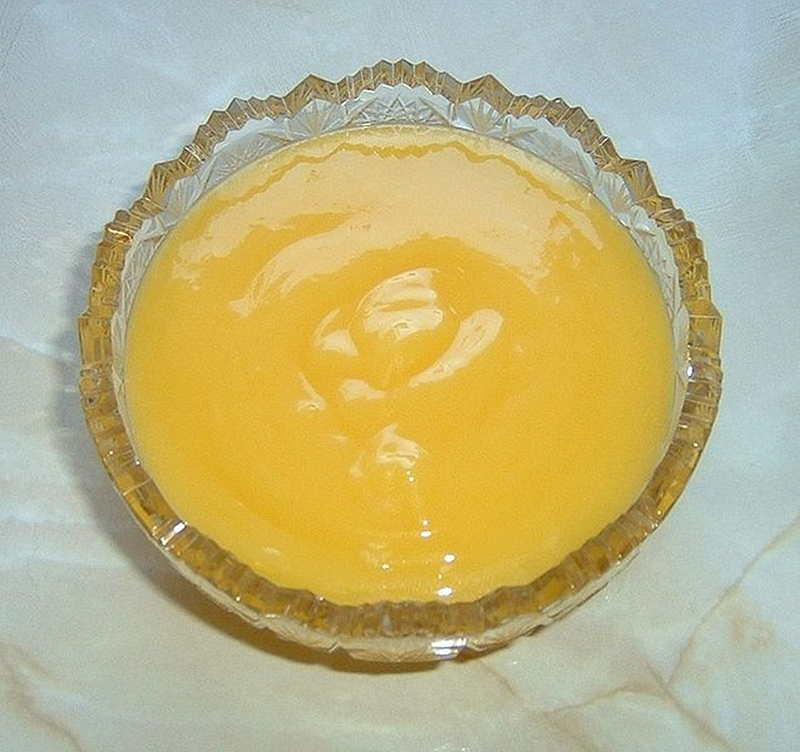
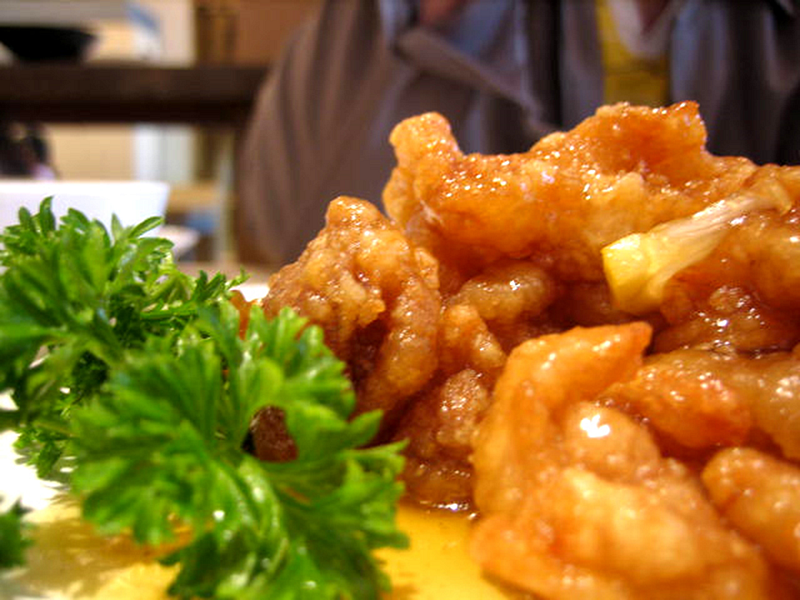
The distinctive sour taste of lemon juice makes it a key ingredient in drinks and foods such as lemonade and lemon meringue pie. Other lemon dishes include fruit curd, lemon bar, lemon chicken, lemon chiffon cake, lemon pickle (India), lemon tart, shaker lemon pie, and Sussex Pond pudding. Lemon — Wikipedia





Personal Use
My wife and I use the juice by squeezing it into a glass of water and drinking it for one of our breakfast drinks. We do not add sugar. I also eat the pulp because I enjoy how it tastes.
Lemon is a source of vitamin C. It provides 64% of the day-to-day value in a 3.5-ounce or 100-g reference amount. It contains other essential nutrients, but they are low in content.
Lemon juice contains a little bit more acid than lime juice and almost twice as much citric acid as grapefruit juice. It contains about five times the amount of citric acid found in orange juice. Lemon — Wikipedia
Foods and Drinks with Lemon
Lemon juice, rind, and peel are found in a variety of foods and drinks. The entire lemon is used when making marmalade, lemon curd, and lemon liqueur. Lemon slices and rind are used as a garnish for food and drinks. Lemon zest, the grated outer layer rind of the lemon is used to add flavor to baked goods, puddings, rice, and other dishes. Lemon — Wikipedia
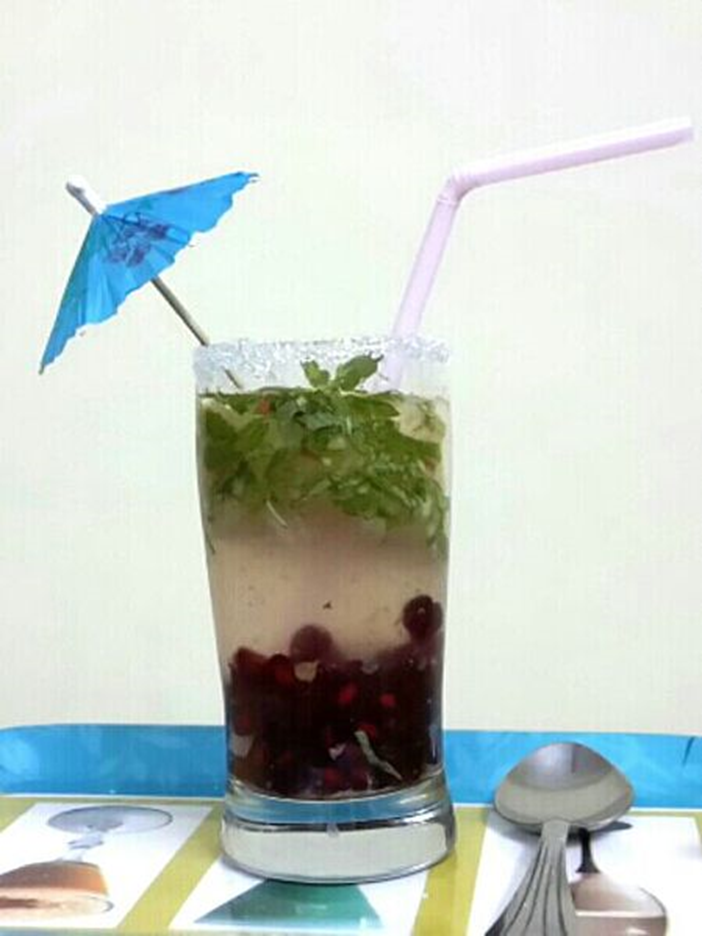
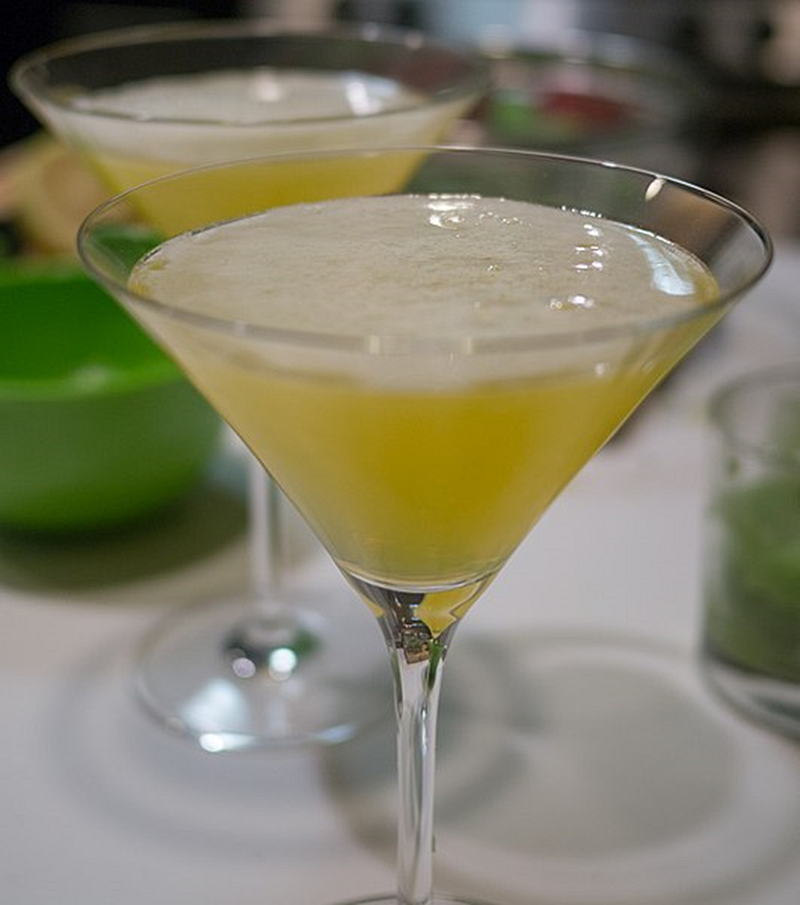
Lemon juice is used to make lemonade, soft drinks, and cocktails. It is used in marinade for fish. In other meat, acid hydrolyzes tough collagen fibers and tenderizes the meat. In the United Kingdom lemon is added to pancakes.
Lemon drinks include Arnold Palmer, John Daly, Barley Water, Bitter Lemon, Lemon Drop, Limoncello (Italian), Mint Lemonade, Shikanjvi (Indian), Snowball, and Sour. Lemon — Wikipedia


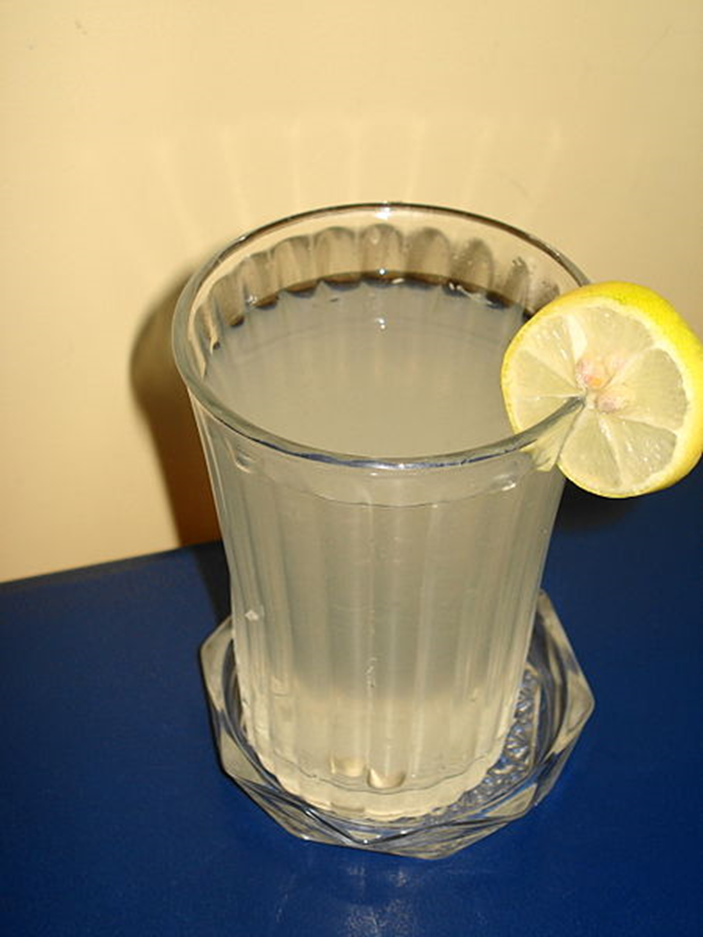

Lemon juice is used as a short-term preservative on certain foods that tend to oxidize and turn brown after being sliced such as apples, bananas, and avocados. The acid denatures the enzymes. In the country of Morocco, lemons are preserved in jars or barrels of salt. The salt penetrates the peel and rind, softens, and cures them to last almost unlimited time. Lemon — Wikipedia
The preserved lemon is used in a variety of dishes. Preserved lemons can also be found in Sicilian, Italian, Greek, and French dishes. The peel can be used to manufacture pectin. This is used as a gelling agent and stabilizer in food and other products. Lemon — Wikipedia
Lemon Oil
Lemon oil is extracted from oil-containing cells in the skin. A machine breaks up the cells and uses water spray to flush off the oil. The oil and water mixture is filtered and separated. Lemon — Wikipedia
Lemon Leaves and Tea
Leaves of a lemon tree are used to make tea and for preparing cooked meats and seafood. Lemon — Wikipedia
Fermentation
The citric acid of lemons was used for fermentation before the fermentation process was created. Lemon — Wikipedia
Aroma Therapy
Lemon oil can be used in aromatherapy. Lemon oil does not influence the human immune system but may contribute to relaxation. Lemon — Wikipedia
Lemon Juice and Ink
Lemon juice can be used as a simple invisible ink. Lemon — Wikipedia
Natural Hair Highlights
Lemon juice can be used to increase the blonde color of hair. It acts as a natural highlight after moistened hair is exposed to sunlight. Citric acid acts like bleach. Lemon — Wikipedia
Temperate Climate Required
Lemons require a minimum of 45 degrees temperature year-round to remain hardy. Citrus trees require pruning by thinning overcrowded branches with the longest branch cut back to encourage bushy growth. The tradition of urinating near a lemon tree is believed to be beneficial because urine is a fertilizer. Lemon — Wikipedia
Where Lemon Comes From
World production of lemons (combined with limes) is about 21.4 tons. India, Mexico, Argentina, Brazil, and Turkey are top producers. They account for almost 65% of global production. Lemon and Lime production in millions of tons for 2020 was as follows:
India 3.7 tons
Mexico 2.9 tons
China 2.7 tons
Argentina 1.8 tons
Brazil 1.6 tons
Turkey 1.2 tons
Total 21.4 tons
What Nutrition Experts Are Saying
Jennifer Katz who holds a bachelor’s degree and 31 years’ experience in Dietetics and Clinical Nutrition Services, stated that drinking warm lemon water in the morning may hydrate you and act as a laxative. She also said lemons contain citric acid and may play a part in preventing kidney stones.
Michael Colangelo who holds a Master of Science degree in Nutrition and 15 years’ experience said drinking water flavored with lemon may contribute to weight loss. He also said that lemon can help dispel gas from a gas-producing meal.
Caroline Luiza C. Castro who holds a master’s degree in nutrition sciences and 16 years’ experience said that lemon water can be related to vitamin C content and is beneficial for the skin.
Sukanya Pathapati who holds a MSc Degree in Clinical Nutrition & Dietetics and 12 years’ experience said the benefits of lemon water is it promotes hydration, is a good source of vitamin C, support weight loss, improves skin quality, helps prevent kidney stones, and aids digestion.
So, I think you will agree with me that there are good reasons for using lemon as part of your day-to-day intake of food or liquids and that there are other good uses for it as well. For me when I see the yellow lemon I think of the beautiful sun in a cloudless sky and it gives me hope for the day ahead. I hope you have enjoyed reading this article and that you have a newfound love for this fruit.
This is the end of this article. Thanks for reading and if you feel so inclined, please provide any constructive criticism appropriate. We value your time and very much appreciate your reading and commenting.
If you liked this article, please clap for it, mark yourself as a follower of mine, and join me on my journey in writing as I contribute to various publications on medium.com.
The more time people spend reading my articles, the more it encourages me to continue writing. Many thanks for taking the time to read what I have written. Get access to unlimited articles here on Medium!
Where else can you read articles written by artistic and creative authors on so many different topics for $5 a month?
Please join my email list, this allows you to be notified as soon as I post something new. My writing success depends on readers like you who appreciate and support my writing. Thanks so much for taking the time to read and support me.
I would love to give a Big Shout Out to Jennifer Dunne for her article https://readmedium.com/the-weirdest-dream-i-ever-had-54469a0caf66. She tells the reader about a dream that she had about pigs playing parts of characters of Shakespearean lore in Hamlet. She says she has told many people about the dream but nobody has ever been able to top it. She issues the challenge to relay a dream to hear if the reader thinks they have a weirder dream. This well-written article gives us reason to pause and reflect on dreams we have had in our past. Great job Jennifer and thanks for sharing.
I would love to give a Big Shout Out to Jielynne Barao for her article
She tells us what being a writer means to her and that as a writer we should be writing for others and pleasing them when it’s doing the work of a writer by trade. She goes further and says that following rules and getting feedback is important but so too is writing for your own bliss. I think she has this right. Good article, recommend writers read her article, you may learn something new here. Great job on the article Jielynne.