Kindness: A Weapon of Mass Construction

Advice on start-ups and entrepreneurship generally do not mention kindness, but to me, building a good business or a livelihood and being part of a supportive community, is strongly built (even if invisibly) on kindness given and kindness received.
I am sure we all have personal stories about being kind to others, which have helped people a lot. One story of kindness that I would like to share is when I was collaborating on Omidyar (a network which aims to help create business and community building opportunities, for people who lack opportunities).
I will never forget my friend, Amon, in Kenya, who wished to study but didn’t have the few hundred dollars to buy himself a personal computer. I sent Amon the money and 16 years later, he has just written to me saying he now holds a PhD in Geology and is very well, and is happy with his Life.
He told me that he has a wife and children, and has never forgotten me.
Amon, my mentor and friend, told me he wants me to share in his great joy at this pinnacle of his Life, and remind me of his deep appreciation for helping him when he needed it.
I shed a tear when I read his email, my heart glad that he can use his talents and opportunities and energy to create the experiences that he wants.
Amon has been my mentor, because he has never forgotten me. He has shown me that kindness matters.
Kindness is not:
- Doing something out of obligation.
- Doing something to get something from it.
- Telling someone what to do because you think you know better than them.
- Forcing a “kindness” upon someone, i.e. expecting someone to use or accept something that you do.
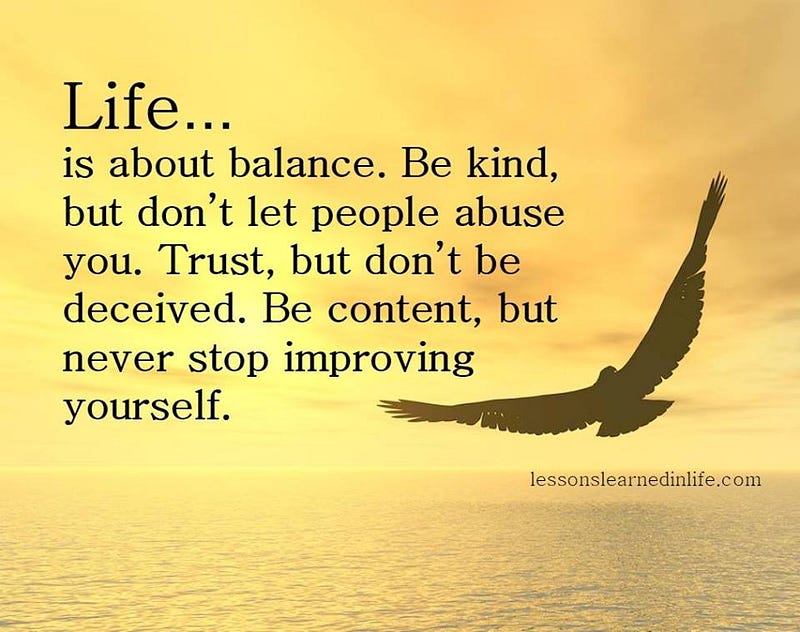
- Letting others treat you as a “door-mat” by doing whatever they want; rather you need to have strong boundaries to exercise kindness toward your self and others.
Kindness is:
- Thinking about & feeling someone’s personal story, and responding in an informed way, the way THEY want you to.
- Giving what you’ve got because you genuinely want to support someone.
- Helping or giving or doing unconditionally, i.e. without expectation of anything in return.
- Being kind even when someone is unkind toward you (within limits because your own safety and mental health must be looked after).
You may find it hard sometimes to be “kind” in the sense of wanting to help someone in distress, but not knowing how to. From experience, my advice is to show the person that you are there for them if they want to talk to you, and listen.
Show empathy, not pity; and if it is suitable, tell them a story, a story about your own similar experiences and positive findings, something they can listen to and believe in.
Sometimes, though, people don’t see kindness for what it is, and therein lies the trouble of taking things for granted, and casting suspicion and aspersion upon acts of kindness.
Kindness in some ways or forms may have become cheapened in a World where some people want instant gratification; and with our demands of what we deserve and want, and with our expectations of what we should fill our “precious” time with.
Sometimes I think that I am being “kind” (based honestly upon my own character traits or tendencies) but the would-be recipient thinks that I am meddling. “Kindness” may also be in the “eye of the beholder & the doer.”
Kindness is a two-way street, meaning it’s good practice to be kind to someone who is being kind to you.
It is kind of the Ascent to publish our Stories, and it is kind of Medium to run their Partnership Program where readers’ & writers’ fees help other members. Some may disagree, saying these are purely “business decisions” but let’s not let our questioning of intent bury the level of kindness that is apparent.
The small acts of kindness are just as valuable or impactful as the larger acts. When someone, with a smile on their face, opens a door for me; or somebody getting off the train kindly waves me off first, it makes my day.
“How sad” I think when I see a man on the train offer to stand up for a woman, and the woman gives a sniff and scowls and tilts up her head & squares her shoulders and says tersely “I’m alright.”
If she doesn’t want a seat, she could just say civilly or even happily, “Thank you for offering, but I’m fine with standing.” Some people are defensive when looking at an act from their own belief sets (e.g. women are just as strong as men, don’t treat me as weak) rather than perceiving a kind intent as pure, or as a purely a kind intent.
Has the “brave new world” of liberation and the information age somewhat changed our perception of kindness?
“Kindness is the language which the deaf can hear and the blind can see.” — Mark Twain
Kindness is a building block in our co-creations, a quality which can be over-looked. Kindness is a virtue which may be seen as a weak trait in a competitive industry or field, where one’s wealth or benefits are viewed to take precedence over another.
Martin Seligman who founded “Positive Psychology”, states that kindness is one of 24 character strengths and virtues, and is a vital part of being human.
Kindness consists of doing favors and good deeds for others without the expectation of personal gain. This strength requires respect for others but also includes emotional affection. Kind people find joy in the act of giving and helping other people, regardless of their degree of relatedness or similarity. — Tayyab Rashid & Afroze Anjum (2005),VIA Character Strengths.
From: https://positivepsychologyprogram.com/character-strength-kindness
True conscious acts of kindness are a tool for constructing a happier, healthier, and more peaceful environment or group.
Kindness is a “weapon” of mass positive construction, i.e. a device to defend yourself from losing the benefits of being positively connected to others. What goes out, comes back.
Construct your Life well.
My religion is very simple. My religion is kindness.” — Dalai Lama.