
How Your Daily Cup of Coffee Can Help You Live a Healthier Life.
Evidence-based medicine behind the beverage most of us drink daily.

Coffee is the most accepted central stimulant available to humans around the world. While most of us drink several cups a day, some will try to persuade you into drinking less, because the rumor goes coffee, with its caffeine and other components, isn’t that healthy.
Or is it?
Why would people think it isn’t that healthy? Is that claim scientifically backed?
Let’s find out what today’s science tells us about drinking coffee.
Outcome Measures
The first thing we need to do to determine if coffee is generally healthy is to find out how we will measure this.
For example, you could study the cardiovascular effects of caffeine, or other bioactive components found in coffee. Another possibility would be to check the sleeping patterns of regular coffee drinkers and comparing them to a control group. Two scientific studies used for this article discussed the effects of coffee on mortality.
Coffee and Mortality
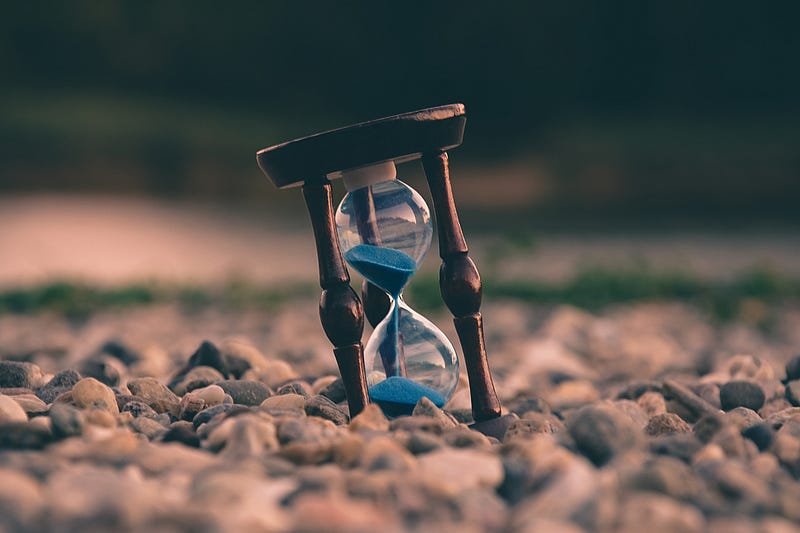
Let’s define the ultimate objective of being healthy as achieving a longer life without any morbidities during the later life span.
This view enables us to measure the effects of coffee on health by studying its effects on mortality. We do forget the part about morbidities we mentioned in our definition, so that could be a weak point. However, this way of looking at it may provide very interesting insights on its own.
The EPIC-Study on Coffee
The EPIC-study is a huge collaboration between countless universities, research institutions and scientists. In this case, the data is used “to examine whether coffee consumption is associated with all-cause and cause-specific mortality in men and women.” Over half a million men and women were enrolled.
A few of its findings may come as a surprise to a lot of us, as the EPIC-study determined that when compared to non-consumers, the group who drank the most coffee had more longer-living people among them over a follow-up period of around 16 years. This lower risk of death was mainly associated with lower mortality due to digestive and circulatory diseases.
Furthermore, coffee drinking may potentially have beneficial effects on the liver and its processes. For example, caffeine could prevent liver fibrosis.
An interesting side note would be that these results did not differ between countries, while these different countries might have different coffee-preparation methods.
All positive effects aside, scientists report a positive association between coffee drinking and cancer mortality in women. This result requires follow-up though, and there is no strong hypothesis on why coffee should raise the risk of death from ovarian cancer.
Full article: https://doi.org/10.7326/M16-2945
New England Journal of Medicine: Coffee and Mortality
This study by Neal D. Freeman et al. discusses the relation between coffee drinking and mortality by studying around 400,000 people ranging from 50 to 71 years old.
The scientists who conducted the study basically enrolled these participants at a certain point in time, and then followed them for thirteen years.
This study supports the same statement made in the previous one: “coffee consumption was inversely associated with total and cause-specific mortality.” Another similarity is that both studies report no differences between drinking caffeinated and decaffeinated coffee.
Full article: https://doi.org/10.7326/M16-2472
“Side” Effects
These health advantages aside, coffee can help your life and body in a few other ways as well.
One of its commonly known characteristics is that it provides energy and makes you feel less tired. Caffeine is known to block a certain inhibitory neurotransmitter in the brain, called adenosine, ensuring this effect.
Furthermore, believe it or not, coffee can help you burn fat. It increases the body’s fatty acid oxidation, increasing the metabolic rate. However, this effect may diminish over time in people who drink coffee regularly.
A lot of workout supplements contain caffeine. While most people think this component only ensures a high energy level, it can also help your body recover faster from intense exercise. This effect is mediated by a higher rate of glycogen resynthesis in skeletal musculature. Scientists stress the need for further investigation though.
Conclusion
With this article, my goal was to stress the fact that even when a lot of people claim something, it is important to make your own choices and find reliable information yourself.
Coffee can provide numerous health benefits to people around the world, most of which are unknown to the general public. I hope this article may have altered your thinking even the tiniest bit and can help you enjoy that warm, tasty beverage in the morning even more.
Please take note that this article discusses the advantages of drinking coffee, while there was no research on disadvantages.
Resources
- Gunter, M. J., Murphy, N., Cross, A. J., Dossus, L., Dartois, L., Fagherazzi, G., Kaaks, R., Kühn, T., Boeing, H., Aleksandrova, K., Tjønneland, A., Olsen, A., Overvad, K., Larsen, S. C., Redondo Cornejo, M. L., Agudo, A., Sánchez Pérez, M. J., Altzibar, J. M., Navarro, C., Ardanaz, E., … Riboli, E. (2017). Coffee Drinking and Mortality in 10 European Countries: A Multinational Cohort Study. Annals of internal medicine, 167(4), 236–247. https://doi.org/10.7326/M16-2945
- Park, S. Y., Freedman, N. D., Haiman, C. A., Le Marchand, L., Wilkens, L. R., & Setiawan, V. W. (2017). Association of Coffee Consumption With Total and Cause-Specific Mortality Among Nonwhite Populations. Annals of internal medicine, 167(4), 228–235. https://doi.org/10.7326/M16-2472
- Cappelletti, S., Piacentino, D., Sani, G., & Aromatario, M. (2015). Caffeine: cognitive and physical performance enhancer or psychoactive drug?. Current neuropharmacology, 13(1), 71–88. https://doi.org/10.2174/1570159X13666141210215655
- https://www.healthline.com/nutrition/top-13-evidence-based-health-benefits-of-coffee#section2