avatarJ.R. Flaherty

Free AI web copilot to create summaries, insights and extended knowledge, download it at here

3085

Abstract

ags made entirely from plastic, such as those served in Starbucks (from the company, Teavana).</p><p id="14f9">Their findings suggest billions of plastic particles release every time we brew a plastic tea bag.</p><p id="ca44">Other tea bags have plastic skeletons, which are sealed in a plastic called polyethylene.</p><p id="78dd">So if you’re a throwing tea bags in your compost, don’t bother — the plastic in tea bags will never break down in your lifetime.</p><p id="e2b3"><i>Here’s what to do:</i></p><p id="f8d4">Back to the teapot and loose leaf tea.</p><p id="63b6">Or check your favorite brand’s website or social media.</p><p id="c392"><b>A special note for UK readers where Tea. Is. A. Very. Big. Deal.</b></p><p id="d08f">Because I ruined a few people’s day telling them this news, I found out the UK brands who do not use plastic in their tea bags (<i>Clipper, PG Tips </i>and<i> Pukka</i>). You can see some household brands are missing from this list. Maybe it’s time to brew up a storm about the issue (<i>sorry, sorry</i>).</p><h1 id="4145">Would you like BPA with your receipt?</h1><figure id="3ca8"><img src="https://cdn-images-1.readmedium.com/v2/resize:fit:800/0*vQxVlx2QBD7N5_c3"><figcaption>Photo by <a href="https://unsplash.com/@lg17?utm_source=medium&amp;utm_medium=referral">Lance Grandal</a> on <a href="https://unsplash.com?utm_source=medium&amp;utm_medium=referral">Unsplash</a></figcaption></figure><blockquote id="b094"><p>Over the last 20 years, <b>bisphenol A </b>(BPA; CAS# 80–05–7) has become one of the most studied <b>endocrine disrupting chemicals </b>(EDCs), because it is <b>one of the highest volume chemicals in worldwide production</b>, it is used in a wide variety of products, and exposure is documented in virtually everyone in the United States and elsewhere. — <a href="https://www.ncbi.nlm.nih.gov/pmc/articles/PMC7846099/">Update on the Health Effects of Bisphenol A: Overwhelming Evidence of Harm</a>, 2021.</p></blockquote><p id="6da5">You know how cash-register receipts have that shiny paper?</p><p id="e822">They are thermal papers, which have a chemical coating that contains bisphenol A, or BPA. BPA is a building block of polycarbonate plastics and many commercial resins.</p><p id="742f">BPA has shown it could mimic the activity of estrogen, a female sex hormone.</p><p id="540d">Several public-interest groups have been petitioning companies. They want receipt papers labelled to show they contain BPA (or one of its chemical cousins). That way, pregnant women would know to wash their hands after picking up a BPA-laced receipt.</p><p id="cd74">Thermal paper receipts are not recyclable. They contaminate the recycled paper production if we put them in recycling.</p><p id="d322"><i>Here’s what to do:</i></p><p id="4434">If you work with cash register receipts, wear gloves (?). If you have electronic banking, take a photo on your phone and attach to the transaction. From now on, please avoid these chemicals on your skin wherever possible.</p><h1 id="89e1">Take it with a pinch of plastic?</h1><figure id="5f00"><img s

Options

rc="https://cdn-images-1.readmedium.com/v2/resize:fit:800/0*gBKUYBVIrGkwrWCg"><figcaption>Photo by <a href="https://unsplash.com/@magict1911?utm_source=medium&amp;utm_medium=referral">Timo Volz</a> on <a href="https://unsplash.com?utm_source=medium&amp;utm_medium=referral">Unsplash</a></figcaption></figure><p id="8b46">A <a href="https://www.theguardian.com/environment/2017/sep/08/sea-salt-around-world-contaminated-by-plastic-studies">study </a>found ordinary table salt has small fragments of plastic. They sampled bought salt from the United States, UK, France, and Spain.</p><p id="71d0">Plastic was in all but one sample. Most of the plastic was from polyethylene and polypropylene.</p><p id="e237">They sourced the plastic microfibers from plastic water bottles.</p><p id="8061">A reason for the plastic contamination is table salt is made from dehydration of sea water. It’s not confined to one country’s salt. It’s a problem affecting the world’s oceans.</p><p id="1ec0"><i>Here’s what to do:</i></p><p id="3950">I love salt. And I have even visited a salt factory. This is very sad news.</p><p id="2642">Plastic has not contaminated rock salt as much as sea salt. But the whole story is a lot more than salt. It’s about how plastic is everywhere and impossible to avoid. Destroying industries and our oceans.</p><h1 id="f6f0">Final thoughts</h1><p id="e8b0">Breathing or eating up to 5 grams of plastic per week is no one’s idea of a healthy diet.</p><p id="ca69">That’s 260 grams a year, or 12 plastic coat hangers.</p><p id="9c1b">Scientists have revealed under microscope that micro-plastic and nano-plastic pollution is in everything. From the air we breathe, to the fibers in our clothes, and in the water we drink.</p><p id="472b">When I found out about these three products, here’s what I did immediately:</p><ul><li>Use loose leaf tea and a teapot</li><li>Use electronic receipts (do not touch thermal receipts with bare skin)</li><li>Avoid table salt</li></ul><p id="a1e4">It’s almost impossible to avoid plastic, but you can stop adding to the problem by not buying it where you can.</p><p id="868b">Remember it’s better to stop buying it in the first place, than recycling. And if you have plastic you can recycle, recycle well.</p><p id="91a9">Take care.</p><p id="215e"><i>Hello. If you are not a medium member and you would like to gain unlimited access to the platform, <a href="https://jrflaherty.medium.com/membership">consider using my referral link</a> right here to sign up. It’s $5 a month and you get unlimited access to my articles and many others like mine.</i></p><p id="8867"><b><i>You may also like to read —</i></b></p><p id="6aa5"><a href="https://readmedium.com/get-rid-of-these-7-single-use-plastics-once-and-for-all-753e71922d77"><b><i>Get Rid of These 7 Single-Use Plastics Once and For All</i></b></a></p><p id="69f1"><a href="https://readmedium.com/why-you-need-to-know-these-five-worst-polluting-companies-on-the-planet-185d53e3e5eb"><b><i>The Five Worst Polluting Companies On the Planet You Need To Know</i></b></a></p></article></body>

How You Eat One Credit Card of Plastic Every Week — And What You Can Do About It

Once I learned about these 3 invisible plastics, I changed my habits on the spot

Half human, half plastic... Hello I'm Nik on Unsplash

We know plastic is having a devastating impact on our oceans and wildlife health.

But did you know you eat one credit card worth of plastic every week?

Around the world, people eat and breathe in an average of around 2,000 microplastic particles a week. That’s according to the study by the University of Newcastle, in Australia.

These are mostly micro plastics smaller than five millimeters.

They found twice as much plastic in water in the United States and India as in European tap water.

Unfortunately, microplastics are now in the most mundane things.

“Wait, why is there even plastic in this?”

This was my first question when researching this post.

So you know to avoid single-use plastic. And once you know these products, they are easy to avoid. Now we are finding there are health implications of ingesting micro plastic. On our digestive health, but also our endocrine system, or hormones.

How did it get everywhere?

Plastic is very cheap, waterproof, and light. It’s made from fossil fuels (oil, petrol, diesel). When it breaks down, it splinters into particles that end up in our food chain and water systems.

This is bad according to anyone’s books. So, guess what — do you know why we do not know the full health impact of ingesting plastic?

Scientists can not find a control group of humans not exposed to plastic today.

Here’s three every day products that shocked me so much to find they contained toxic plastic.

I changed my habits on the spot.

Each tea bag releases billions of plastic microparticles
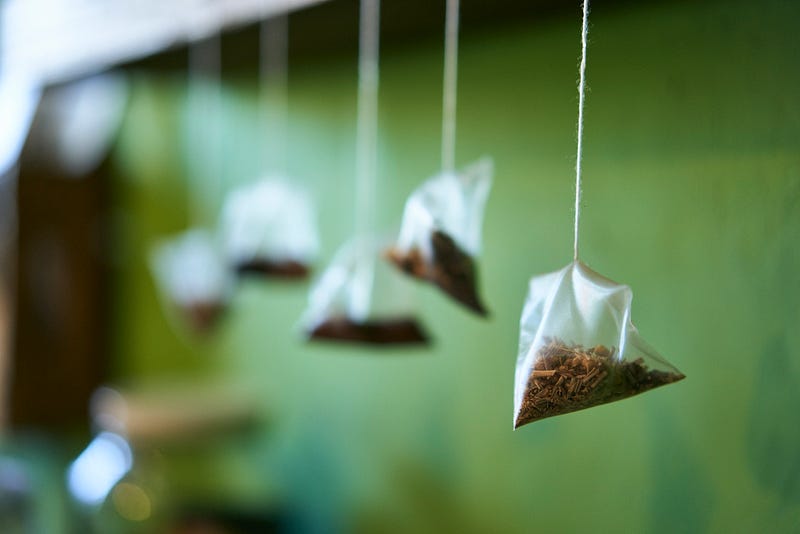
Photo by Gareth Hubbard on Unsplash

The 2019 paper by Gill University in Canada analysed the impact of tea bags made entirely from plastic, such as those served in Starbucks (from the company, Teavana).

Their findings suggest billions of plastic particles release every time we brew a plastic tea bag.

Other tea bags have plastic skeletons, which are sealed in a plastic called polyethylene.

So if you’re a throwing tea bags in your compost, don’t bother — the plastic in tea bags will never break down in your lifetime.

Here’s what to do:

Back to the teapot and loose leaf tea.

Or check your favorite brand’s website or social media.

A special note for UK readers where Tea. Is. A. Very. Big. Deal.

Because I ruined a few people’s day telling them this news, I found out the UK brands who do not use plastic in their tea bags (Clipper, PG Tips and Pukka). You can see some household brands are missing from this list. Maybe it’s time to brew up a storm about the issue (sorry, sorry).

Would you like BPA with your receipt?

Photo by Lance Grandal on Unsplash

Over the last 20 years, bisphenol A (BPA; CAS# 80–05–7) has become one of the most studied endocrine disrupting chemicals (EDCs), because it is one of the highest volume chemicals in worldwide production, it is used in a wide variety of products, and exposure is documented in virtually everyone in the United States and elsewhere. — Update on the Health Effects of Bisphenol A: Overwhelming Evidence of Harm, 2021.

You know how cash-register receipts have that shiny paper?

They are thermal papers, which have a chemical coating that contains bisphenol A, or BPA. BPA is a building block of polycarbonate plastics and many commercial resins.

BPA has shown it could mimic the activity of estrogen, a female sex hormone.

Several public-interest groups have been petitioning companies. They want receipt papers labelled to show they contain BPA (or one of its chemical cousins). That way, pregnant women would know to wash their hands after picking up a BPA-laced receipt.

Thermal paper receipts are not recyclable. They contaminate the recycled paper production if we put them in recycling.

Here’s what to do:

If you work with cash register receipts, wear gloves (?). If you have electronic banking, take a photo on your phone and attach to the transaction. From now on, please avoid these chemicals on your skin wherever possible.

Take it with a pinch of plastic?
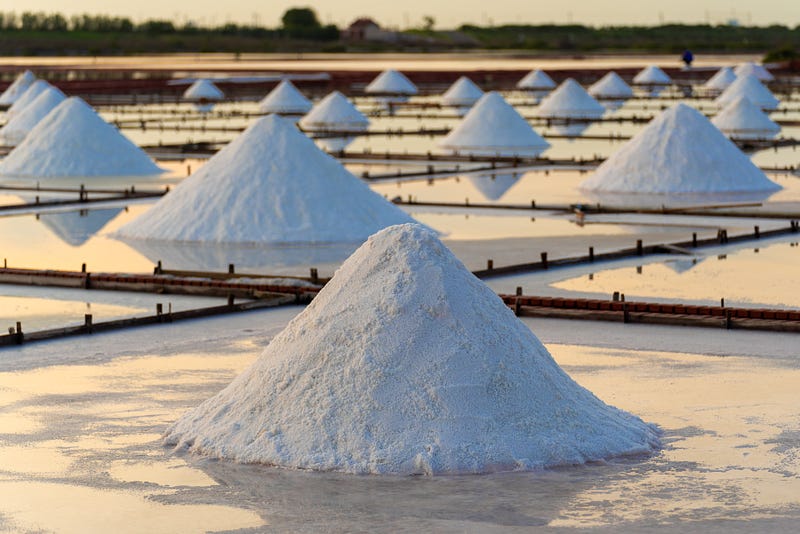
Photo by Timo Volz on Unsplash

A study found ordinary table salt has small fragments of plastic. They sampled bought salt from the United States, UK, France, and Spain.

Plastic was in all but one sample. Most of the plastic was from polyethylene and polypropylene.

They sourced the plastic microfibers from plastic water bottles.

A reason for the plastic contamination is table salt is made from dehydration of sea water. It’s not confined to one country’s salt. It’s a problem affecting the world’s oceans.

Here’s what to do:

I love salt. And I have even visited a salt factory. This is very sad news.

Plastic has not contaminated rock salt as much as sea salt. But the whole story is a lot more than salt. It’s about how plastic is everywhere and impossible to avoid. Destroying industries and our oceans.

Final thoughts

Breathing or eating up to 5 grams of plastic per week is no one’s idea of a healthy diet.

That’s 260 grams a year, or 12 plastic coat hangers.

Scientists have revealed under microscope that micro-plastic and nano-plastic pollution is in everything. From the air we breathe, to the fibers in our clothes, and in the water we drink.

When I found out about these three products, here’s what I did immediately:

  • Use loose leaf tea and a teapot
  • Use electronic receipts (do not touch thermal receipts with bare skin)
  • Avoid table salt

It’s almost impossible to avoid plastic, but you can stop adding to the problem by not buying it where you can.

Remember it’s better to stop buying it in the first place, than recycling. And if you have plastic you can recycle, recycle well.

Take care.

Hello. If you are not a medium member and you would like to gain unlimited access to the platform, consider using my referral link right here to sign up. It’s $5 a month and you get unlimited access to my articles and many others like mine.

You may also like to read —

Get Rid of These 7 Single-Use Plastics Once and For All

The Five Worst Polluting Companies On the Planet You Need To Know

Plastic
Climate Change
Sustainability
Pollution
Food
Recommended from ReadMedium