avatarEduardo Antonio Morales

Free AI web copilot to create summaries, insights and extended knowledge, download it at here

2954

Abstract

%3A%2F%2Fwww.youtube.com%2Fwatch%3Fv%3DF6IdcTPEC14&image=https%3A%2F%2Fi.ytimg.com%2Fvi%2FF6IdcTPEC14%2Fhqdefault.jpg&key=a19fcc184b9711e1b4764040d3dc5c07&type=text%2Fhtml&schema=youtube" allowfullscreen="" frameborder="0" height="480" width="854"> </div> </div> </figure></iframe></div></div></figure><ul><li><b>Support <a href="https://www.instagram.com/marinacruz_8/">Nana Marina</a>:</b> If you’d like to support an Indigenous Elder that dedicates her life to sharing the history and practices of Ceremonial Cacao within the Tz’utujil heritage (direct descendants of the Mayan civilization that gave birth to the first uses of Cacao in ceremony, alongside the Olmecs), we encourage you to support <a href="https://www.instagram.com/marinacruz_8/">Nana Marina</a>. To do that, you can donate to the “Support Nana Marina Cruz — Mayan Spiritual Guide” Paypal section on <a href="https://snehasacred.com/support-causes">this website</a>. It is organized by <a href="https://www.instagram.com/gabs.warrior.goddess/">Gabriela Villacorta</a> and all funds directly go to <a href="https://www.instagram.com/marinacruz_8/">Nana Marina</a> to cover her living expenses, ceremony materials, travel expenses of other Elders to meetings, as well as the building of a spiritual center in Lake Atitlan, Guatemala. Nana Marina is also currently writing a book about the traditional Mayan Ceremonial Cacao worldview and practices, which will be a valuable gift to the international Ceremonial Cacao community.</li></ul><figure id="d0cf"><img src="https://cdn-images-1.readmedium.com/v2/resize:fit:800/1*JRpJxIGtZ6SQhd_tNhq_iw.jpeg"><figcaption>Original photo from Nana Marina. You can follow her on Instagram <a href="https://www.instagram.com/p/CCe1JWDBBBa/">here</a>.</figcaption></figure><ul><li><a href="https://www.wellkind.org/donate-to-tzununa"><b>Donate to help the Tzununá community in Lake Atitlan, Guatemala: </b></a>The<b> </b>Tzununá community in Lake Atitlan has also been greatly influential in maintaining their Ceremonial Cacao heritage, which we all benefit from. You can give back to them in this time of great need by donating to <a href="https://www.wellkind.org/donate-to-tzununa">this fundraiser</a>, organized by the wonderful team behind <a href="https://www.wellkind.org/">Wellkind</a>. Through your donation, you will help to provide food access, as well as local mask production and distribution, for many local Tzununá families that are struggling to survive amongst the COVID-19 pandemic.</li></ul><figure id="2829"><img src="https://cdn-images-1.readmedium.com/v2/resize:fit:800/1*RfY-mLJ31xsScE9a7dz5tw.jpeg"><figcaption>Original photo by <a href="https://www.wellkind.org/">Wellkind.org</a></figcaption></figure><h2 id="167e">Cultural Appropriation Resources:</h2><ul><li><b>Read <a href="https://www.meandwhitesupremacybook.com/">Me and White Supremacy by Layla F. Saad</a>: </b>If y

Options

ou want to learn more about cultural appropriation and the harm it can cause, we recommend that you buy and work through the exercises in the book <a href="https://www.meandwhitesupremacybook.com/">Me and White Supremacy by Layla F. Saad</a>.</li><li><b>Read <a href="https://www.amazon.com/Chocolate-Tree-Natural-History-Cacao/dp/0813030447">The Cacao Tree by Allen M. Young</a>: </b>In this book, you can learn a bit more about the history of the Cacao, as well as the land theft, enslavement, and legal racial discrimination that Western cultures enforced on Indigenous Mayan communities after the colonization of Central America through the farming and taxing of Cacao.</li><li><b>Read <a href="https://www.instagram.com/p/CCoOMQEFgE8/?igshid=15acyaox9ks1j">this post</a> from <a href="https://www.instagram.com/gabs.warrior.goddess/">Gabriela Villacorta</a>:</b> In it, you can read her valuable point of view on how certain modern Cacao Ceremony practices appropriate Indigenous object, motifs, symbols, rituals, artifacts, and other cultural elements without honoring the culture’s traditions or significantly giving back.</li></ul><p id="c270">These are only a handful of the many ways you can inform yourself and give back to the communities that nurtured the relationship with Cacao that we all benefit from, so please take a moment to check them all out, donate, and share with those who also love Ceremonial Cacao. Your support will not only make a big difference in these people’s lives, but also help pave the way for more compassion, awareness, and accountability in the Ceremonial Cacao community in the future.</p><p id="1902">Thank you for reading and <b>special thanks to <a href="https://www.instagram.com/marinacruz_8/">Nana Marina</a>, <a href="https://www.instagram.com/rukuxulew/">Ruk’u’x Ulew</a>, <a href="https://www.instagram.com/gabs.warrior.goddess/">Gabriela Villacorta</a> from <a href="https://snehasacred.com/">SnehaSacred</a>, <a href="https://www.instagram.com/soulliftcacao/">Nick Meador</a> from <a href="https://soulliftcacao.com/">SoulLift Cacao</a>, and <a href="https://www.instagram.com/cacaolaboratory/">Florencia Fridman</a> from <a href="https://www.cacaolaboratory.com/">Cacao Laboratory</a> for the support and valuable information they provided to help make this article possible.</b></p><p id="73bc">If you know of any other ways Ceremonial Cacao practitioners can give back, please DM us at <a href="https://www.instagram.com/couplescacao/">@couplescacao</a>. We’d love to include them in this article.</p><h2 id="aad2">Thanks for reading! If you want to learn more about Ceremonial Cacao, how to hold a Cacao Ceremony for yourself, how you can give back if you benefit from Ceremonial Cacao, how Ceremonial Cacao makes you feel, what makes Ceremonial Cacao “ceremonial”, where to buy Ceremonial Cacao, and many other topics, please check out our free publication, Cacao Ceremonies.</h2></article></body>

How You Can Give Back If You Benefit From Ceremonial Cacao
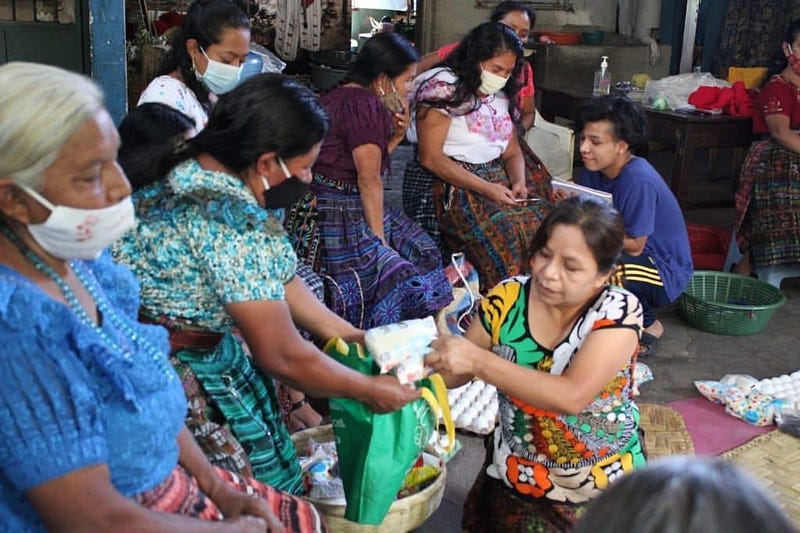
Original photo provided by Nana Marina

If we benefit physically, mentally or spiritually from a healing relationship with the Cacao plant, it’s our responsibility to honor the communities that created and nurtured this relationship, by acknowledging their traditions in our practice as well as supporting, protecting, uplifting and financially compensating them beyond a mere monetary exchange, such as buying products or paying to participate in cacao ceremonies (especially if these ceremonies aren’t held by members of that community).

If we benefit from this relationship to a larger degree, like earning money, status, or both, through selling Ceremonial Cacao, offering workshops, holding ceremonies, and/or sharing the teachings of these Indigenous communities, our responsibility is even bigger. Not only do we need to support, protect, uplift and financially compensate them, we also need to evaluate our practices to assess whether we are culturally appropriating and therefore, negatively impacting them through our lack of awareness or inaction.

Although we greatly encourage you to do your own research into cultural appropriation as well as how you can give back to the the communities, here are some resources that can help you get started:

Ways to give back to the Indigenous communities that have protected and maintained the original Mayan Ceremonial Cacao traditions:

  • Fund aid for the most vulnerable families in San Marcos La Laguna, Atitlan, Guatemala: The modern movement of Cacao Ceremonies wouldn’t exist without the Indigenous community of San Marcos La Laguna, that has nurtured their traditions through generations. Sadly, the suspension of local business, employment, tourism and transportation in the area due to COVID-19 has been especially harmful for the families in this town, who live on more of a day-to-day basis with very few reserves to sustain their households. By donating to this GoFundMe, you will be providing aid for the most vulnerable families in the area. It is organized by Alejandro José D’anilo Tabares and Rakinna Tribewalke, in association with the Konojel Community Center.
  • Support Nana Marina: If you’d like to support an Indigenous Elder that dedicates her life to sharing the history and practices of Ceremonial Cacao within the Tz’utujil heritage (direct descendants of the Mayan civilization that gave birth to the first uses of Cacao in ceremony, alongside the Olmecs), we encourage you to support Nana Marina. To do that, you can donate to the “Support Nana Marina Cruz — Mayan Spiritual Guide” Paypal section on this website. It is organized by Gabriela Villacorta and all funds directly go to Nana Marina to cover her living expenses, ceremony materials, travel expenses of other Elders to meetings, as well as the building of a spiritual center in Lake Atitlan, Guatemala. Nana Marina is also currently writing a book about the traditional Mayan Ceremonial Cacao worldview and practices, which will be a valuable gift to the international Ceremonial Cacao community.
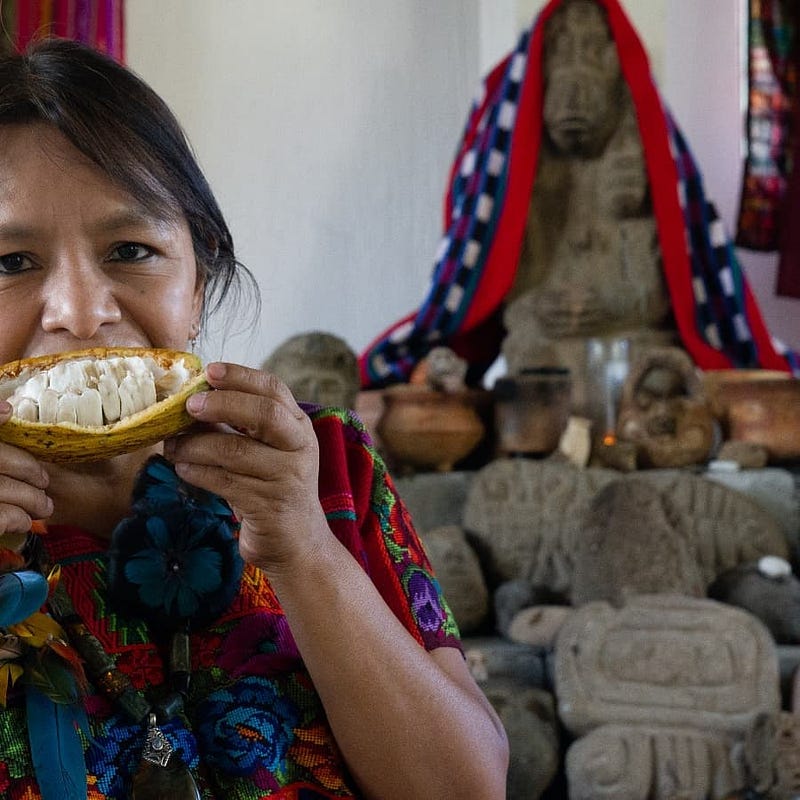
Original photo from Nana Marina. You can follow her on Instagram here.
  • Donate to help the Tzununá community in Lake Atitlan, Guatemala: The Tzununá community in Lake Atitlan has also been greatly influential in maintaining their Ceremonial Cacao heritage, which we all benefit from. You can give back to them in this time of great need by donating to this fundraiser, organized by the wonderful team behind Wellkind. Through your donation, you will help to provide food access, as well as local mask production and distribution, for many local Tzununá families that are struggling to survive amongst the COVID-19 pandemic.
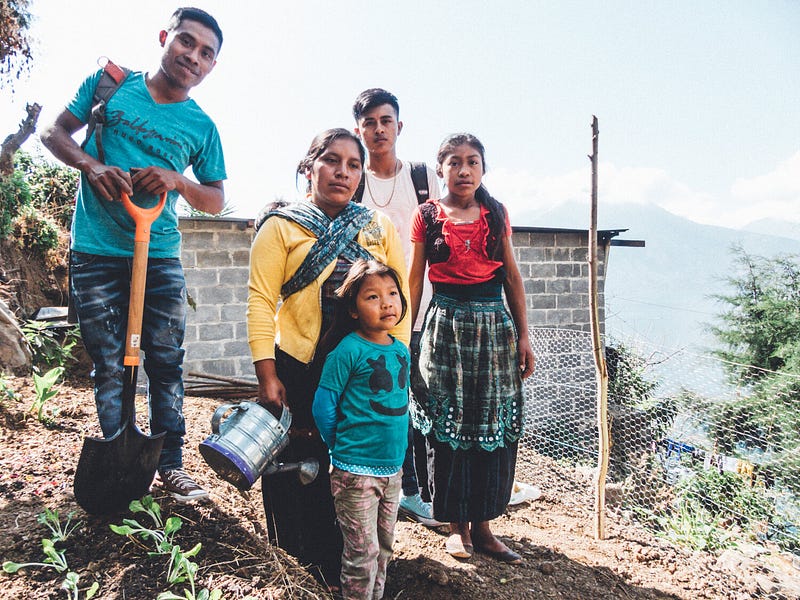
Original photo by Wellkind.org

Cultural Appropriation Resources:

  • Read Me and White Supremacy by Layla F. Saad: If you want to learn more about cultural appropriation and the harm it can cause, we recommend that you buy and work through the exercises in the book Me and White Supremacy by Layla F. Saad.
  • Read The Cacao Tree by Allen M. Young: In this book, you can learn a bit more about the history of the Cacao, as well as the land theft, enslavement, and legal racial discrimination that Western cultures enforced on Indigenous Mayan communities after the colonization of Central America through the farming and taxing of Cacao.
  • Read this post from Gabriela Villacorta: In it, you can read her valuable point of view on how certain modern Cacao Ceremony practices appropriate Indigenous object, motifs, symbols, rituals, artifacts, and other cultural elements without honoring the culture’s traditions or significantly giving back.

These are only a handful of the many ways you can inform yourself and give back to the communities that nurtured the relationship with Cacao that we all benefit from, so please take a moment to check them all out, donate, and share with those who also love Ceremonial Cacao. Your support will not only make a big difference in these people’s lives, but also help pave the way for more compassion, awareness, and accountability in the Ceremonial Cacao community in the future.

Thank you for reading and special thanks to Nana Marina, Ruk’u’x Ulew, Gabriela Villacorta from SnehaSacred, Nick Meador from SoulLift Cacao, and Florencia Fridman from Cacao Laboratory for the support and valuable information they provided to help make this article possible.

If you know of any other ways Ceremonial Cacao practitioners can give back, please DM us at @couplescacao. We’d love to include them in this article.

Thanks for reading! If you want to learn more about Ceremonial Cacao, how to hold a Cacao Ceremony for yourself, how you can give back if you benefit from Ceremonial Cacao, how Ceremonial Cacao makes you feel, what makes Ceremonial Cacao “ceremonial”, where to buy Ceremonial Cacao, and many other topics, please check out our free publication, Cacao Ceremonies.

Cacao
Cacao Ceremony
Ceremonial Cacao
Social Just
Cultural Appropriation
Recommended from ReadMedium