
How World War 2 Started
A day in history
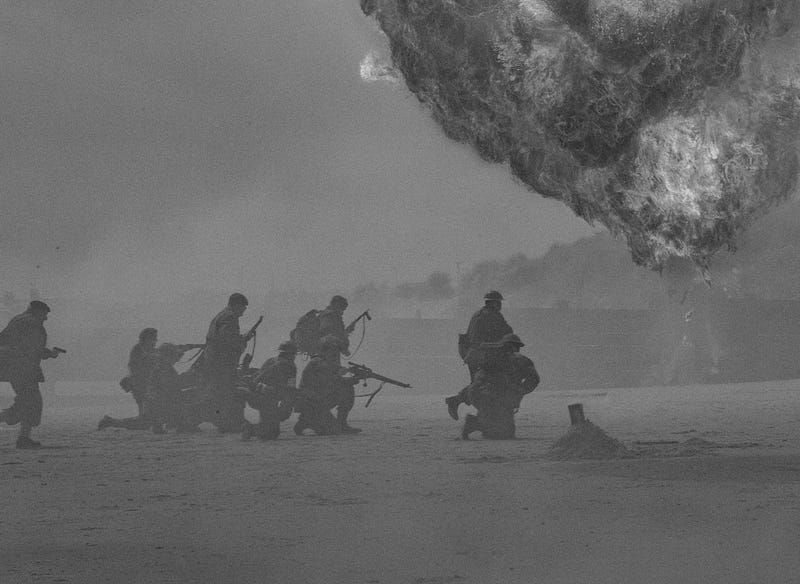
World War II one of the deadliest conflicts in human history erupted in 1939 fueled by a complex web of political tensions and aggressive actions across the globe.
A pivotal moment occurred when Adolf Hitler’s Germany invaded Poland on September 1 1939 making the official commencement of hostilities. This invasion executed with unprecedented speed and military strategy prompted Britain and France to declare war on Germany setting the stage for a conflict that would engulf the world.
The early phases of World War II witnessed the German military employing a revolutionary tactic known as “blitzkrieg” or lightning war. This strategy involved swift and overwhelming attacks catching opposing forces off guard. Germany’s blitzkrieg tactics proved highly effective leading to the rapid conquest of numerous European nations. Denmark and Norway fell in April 1940 followed by the Netherlands Belgium and France in May. The speed of these victories stunned the world and established Germany as a formidable military power.
As the war unfolded more nations became embroiled aligning themselves into two major alliances. The Allies including the United States the Soviet Union the United Kingdom and others opposed the Axis powers led by Germany Japan and Italy.
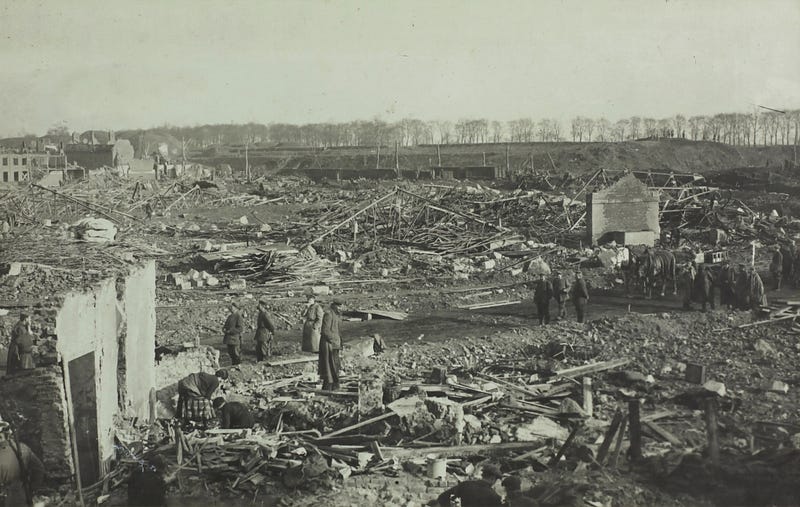
The global scale of the conflict brought about widespread devastation and reshaped the course of history. In the Pacific Japan’s expansionist ambitions led to the famous attack on Pearl Harbor on December 7 1941. This surprise assault prompted the United States to enter the war aligning with the Allies against the Axis powers. The Pacific theater became a battleground of island-hopping campaigns and naval engagements with the decisive Battle of Midway turning the tide in favor of the Allies.
The Eastern Front witnessed intense fighting between Germany and the Soviet Union. The brutal and protracted Battle of Stalingrad in 1942–1943 became a turning point as the Soviets repelled the German forces marking the beginning of the Soviet advance towards Germany.
The war’s impact extended far beyond the battlefield.
The Holocaust perpetrated by the Nazis resulted in the systematic genocide of six million Jews. The conflict also spurred technological advancements including the development of nuclear weapons. The war finally came to an end in 1945 with the unconditional surrender of Germany and Japan.
World War II’s legacy is profound shaping the post-war geopolitical landscape and laying the foundation for the United Nations an international organization to prevent such catastrophic conflicts in the future. The war’s human cost with millions of lives lost and entire cities in ruins serves as a stark reminder of the importance of diplomacy and cooperation in preventing global conflicts.
To read my new stories faster: Subscribe ✨
You really should read these articles


