
How winter affects the way we spend time, money and suicide rates
Curious data on how our behavior is affected by different seasons and what we can do about it
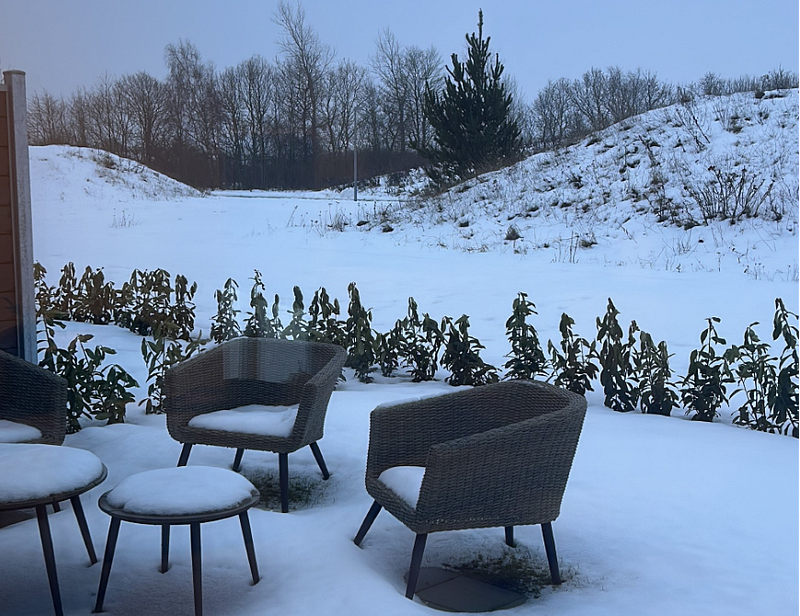
Writing from Denmark, where I no longer can see the sun light during a working day, temperatures are negative and as the day gets shorter you see less people on the streets but more on shops
Winter is coming (this is a northern hemisphere perspective) and I was curious to understand how the cold weather affects our behavior, how we spend time, money and deal with depression.
After some research, with no surprise, winter is the season we spend most time indoors and at home but counter intuitively is also the time we spend more money and have lower suicide rates. Some curiosities and facts I learned (sources in the end):
Spending time
- We are considered the indoor generation, although this can vary per country we spend around 65% of our time at home and 90% indoors during the year
- This numbers increase from November to February, for different reasons: on November people spend on average 6% more time watching to Netflix and -2% socializing
- On December time indoor increase but for a different reason, time spent with family and friends (mainly at home) is up by 15%, also is the month we spend most time cooking
- January we are back to the sofa and the time of the year we spend most time watching TV and Netflix with 13% increase and a -12% reduction on socializing, February is not much different
- On winter people spend 30% more time cooking at home than in summer
- Needless to say that winter is also associated with weight gain, clearly due to the previous points that leads to higher calories intake, more drinking, less time outside, less sports and several other reasons
- I was curious but not able to find evidence that if having a bigger house influence the time spent at home during winter, in one hand i believe it increases as you can have more comfort, on the other hand, owner´s of big houses tend to have more money and afford to travel and eat out more often
Although the fact that we spend much more time indoor is obvious I believe that people still spend most of this time on auto-pilot mode laying on sofa, sleeping longer hours and watching bad movies. In Denmark I learned people plan the activities' and sports early for the whole year, optimizing for the weather. Winter is the indoor season and gyms are full, time to build some awesome LEGO sets (adults welcome), play board games with your partner, host dinners full of wine at home and also watch the backlog of movies that were already chosen after summer
When staying at home, opening the windows once in a while is also not a bad idea, indoor air can be up to five times more polluted than outdoor air, increasing our risk for asthma in 40%, children who spend more time indoors will also be more susceptible to asthma, allergies and other breathing issues over time
Spending Money
- Winter and summer are the most expensive seasons with people spending around 15% more than Fall and Spring
- The driver for winter spend includes holiday shopping, utility costs increase, expensive new year parties and new resolutions and valentines day (yes, still on winter). Summer is driven by longer holidays with travel time and social gatherings
- Cold weather affects consumer behavior and tends to increases online shopping potentially due to more time at home and cure for boredom, also people tend to stock up of specific winter items to be protected from bad weather (panic shopping)
- Based on studies, cold temperatures may be a contributing factor to making us buy more than we would otherwise — people make irrational decisions and are willing to pay more when it´s uncomfortably cold
- Other seasonal costs that may incur on winter includes winter injuries, car repair and maintenance, winter wardrobe costs, property damage from ice and snow, higher transportation and entertainment costs
My take here is also on planning ahead, Black Friday should be the last chance to buy your Christmas gifts if you want to save some money and avoid crowded stores. Winter clothes are best to be bought after March and before October. Knowing that we are irrational humans I would also try to be well fed and warm before making decisions
What about suicide rates and mood changes?
- Despite the belief that suicide rates peaks on the dark and cold days of winter, data suggest that December even plays a protective role —Suicide is 2–3x higher on late Spring and early Summer months than December
- OK, winter does not increase suicide rates but Yes, it affects your mood. The changes don’t necessarily affect everyone the same way but seasonal mood shifts often include less energy, feeling less social, losing interest in favorite activities, desire for carbs and changes in sleep ― either having trouble sleeping or wanting to sleep more than usual. The scientific evidence says that length of day, which is shorter in the winter and longest in the summer, is the main seasonal variable that affects moods. It’s a biological response to changing light levels, not something we can overcome with sheer willpower alone
I didn´t had any Vitamin D on my first winters in the Northern hemisphere and this is something i definitively recommend not skipping, on top of that the traditional advice also includes optimizing sun exposure (when possible), exercise, put an extra effort on eating the right things and spending time (even if indoors) with friends
A final tip to skip the obvious, I recommend listening Bill Gates Holiday playlist for getting in the holiday spirit, maybe listening to his recommended songs will be the best way to reflect on how we spend our time, money and improve our mode during winter
— — — — — — — — — — — — — — —
Sources:
- Time spent indoors by country and TV time
- People will be spending 30 per cent longer in the kitchen this winter
- Weight gain
- Summer spending statistics
- Winter spending
- Cold weather effect on consumer behavior
- Irrational decisions on cold weather
- Holiday suicide myth
- Seasonal effects on suicide
- Seasonal mood shifts