How will man look in the future?

Predicting the exact appearance of humans in the future is a fascinating topic that involves speculation based on various factors such as technological advancements, societal changes, environmental influences, and evolutionary processes. While it’s challenging to provide a definitive picture, we can explore potential trends and scenarios that might shape the human form in the coming centuries.
One significant trend that could profoundly impact human appearance is the integration of technology into our bodies. With the rapid advancement of fields like biotechnology, nanotechnology, and robotics, it’s conceivable that humans may adopt cybernetic implants and bionic enhancements to augment their physical and cognitive capabilities. Imagine individuals with enhanced strength, agility, and sensory perception thanks to advanced prosthetic limbs, neural interfaces, or ocular implants that provide augmented reality overlays. These enhancements could blur the lines between humans and machines, giving rise to a new category of beings known as transhumans or posthumans.

Furthermore, genetic engineering holds the potential to revolutionize human biology and appearance. As our understanding of the human genome grows, scientists may develop techniques to modify genes associated with physical traits such as height, hair color, skin tone, and even features like facial symmetry and attractiveness. While ethical concerns and regulatory barriers currently limit the widespread use of genetic engineering in humans, it’s conceivable that future societies may embrace genetic modifications to enhance desirable traits or mitigate genetic diseases.
Environmental factors could also play a significant role in shaping human appearance in the future. As climate change alters our planet’s ecosystems and habitats, humans may undergo adaptations to survive in new environmental conditions. For example, populations living in regions with high levels of UV radiation may develop increased melanin production to protect against skin damage and cancer. Similarly, individuals residing in polluted urban areas may evolve more efficient respiratory systems to cope with poor air quality. Over generations, these adaptations could lead to noticeable changes in human physiology and appearance.
Cultural and aesthetic influences are another important factor to consider when envisioning the future of human appearance. In an increasingly globalized world, people are exposed to a diverse array of cultural norms, beauty standards, and fashion trends from around the globe. As cultural barriers break down and societies become more interconnected, we may see greater acceptance and celebration of diverse forms of beauty, including variations in body size, shape, and appearance. Additionally, advances in cosmetic procedures and wearable technologies could give individuals unprecedented control over their appearance, allowing them to customize their looks according to personal preferences and cultural influences.
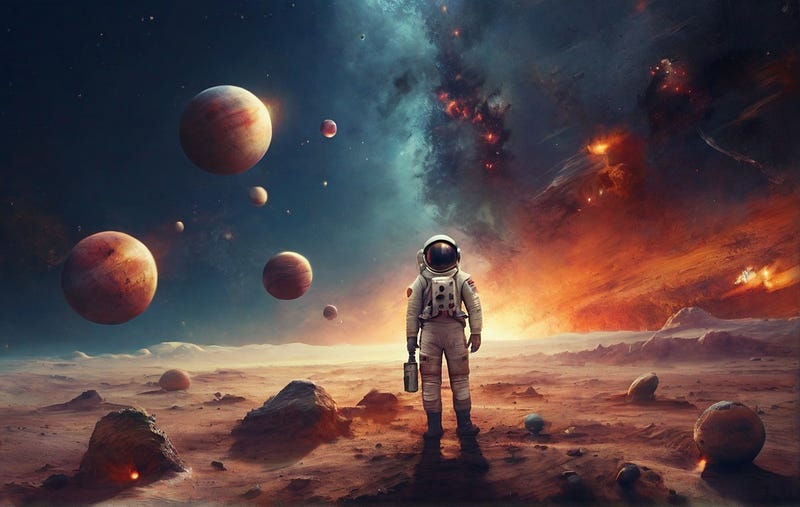
Space exploration represents another frontier that could shape the future of human appearance. As humanity ventures beyond Earth and establishes permanent settlements on other planets or in space habitats, individuals may undergo physiological adaptations to thrive in extraterrestrial environments. For example, prolonged exposure to microgravity could lead to changes in bone density, muscle mass, and cardiovascular function, while cosmic radiation may necessitate the development of advanced radiation shielding and genetic defenses against mutations. Over time, these adaptations could result in distinctive physical characteristics among spacefaring populations, marking them as a new branch of humanity adapted to life beyond Earth.
The future of human appearance is likely to be shaped by a complex interplay of technological, environmental, cultural, and evolutionary factors. While we can speculate about potential trends and scenarios, the exact trajectory of human evolution remains uncertain. However, it’s clear that humans have always been adept at adapting to new challenges and environments, and the future holds boundless possibilities for the continued evolution of our species in both body and mind.