
How We Are Destroying Kids Intelligence By Giving Them Mobile In Early Age

While self-education is crucial for cognitive development, it is essential to create a proper educational atmosphere that fosters learning and growth without the interference of early mobile usage.
Mobile devices can impede the development of essential cognitive skills in children. Early childhood is a critical period for brain development, and excessive screen time has been linked to attention deficits impaired concentration, and delayed language acquisition. The stimulation provided by mobile devices can hinder the natural development of problem-solving abilities and creativity as children may become passive consumers of content rather than active participants in their learning.
The lack of a conducive self-education atmosphere can contribute to social and emotional challenges. Excessive screen time is linked with a higher risk of social isolation as children may prefer virtual interactions over face-to-face communication. The exposure to age-inappropriate content or social media pressures can lead to issues such as low self-esteem and a distorted self-image negatively impacting the child’s mental health.
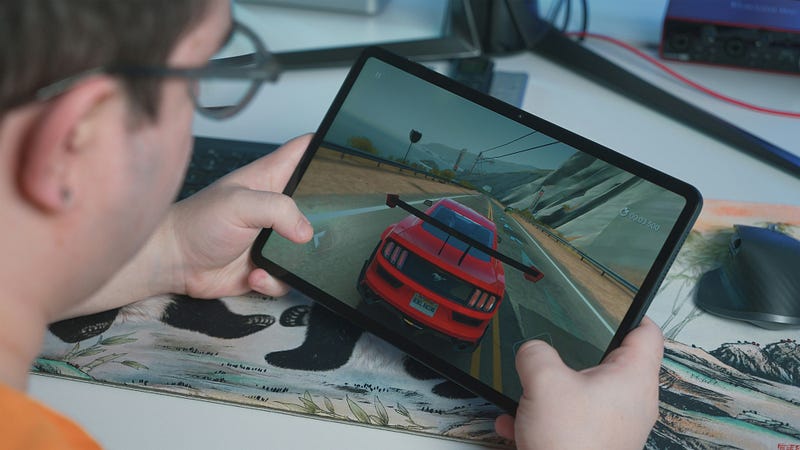
The early introduction of mobile devices can disrupt sleep patterns the negative effects on a child’s cognitive functioning. The blue light comes from screens interferes with the production of a hormone vital for sleep regulation. Sleep deprivation, in turn, can impair memory consolidation and hinder learning, leading to decreased academic performance.
Well, the addictive nature of mobile devices poses a significant threat to a child’s overall well-being. Continuous screen engagement can lead to behavioral issues such as difficulty managing emotions. The instant gratification of mobile applications and games may create a dependency that diverts children from more meaningful and educational activities, hindering their personal growth and development.
In the end I just want to say that the early introduction of mobile devices without a proper self-education atmosphere can have severe and lasting consequences on children’s intelligence and well-being. Parents, educators, and policymakers must recognize the potential harm and take proactive measures to create an environment that prioritizes healthy cognitive development, social interaction, and a balanced approach to technology usage in a child’s formative years.


