avatarSergi Slavich

Free AI web copilot to create summaries, insights and extended knowledge, download it at here

3517

Abstract

nature-in"><b>no more than 300 m (5-minute walk).</b></a></p><p id="8612">Unfortunately, when buying or renting a home, most people underestimate the importance of the proximity of natural spaces to their homes.</p><p id="ff6a"><a href="https://journals.sagepub.com/doi/10.1177/00139160121973124"><b>According to a survey of 145 people </b></a>renting urban social housing, only 7 per cent of participants named the location of the house as an important criterion when choosing a place to live.</p><h2 id="1eee">Here are the top criteria for choosing a place to live (in this study)</h2><ul><li>47% of interviewees simply needed a place to live;</li><li>12% considered cleanliness and safety as important criteria;</li><li>10% proximity to work or school;</li><li>9% — rental cost;</li><li>8 % were interested in the size of the apartment or the number of bedrooms;</li><li>6% wanted an apartment on a “low floor”;</li><li><b>1 person said that having close-knit neighbors was very important.</b></li></ul><p id="765b">Moreover, of the remaining 7% of respondents, only one identified the “<i>natural environment</i>” as an important factor.</p><figure id="e5bd"><img src="https://cdn-images-1.readmedium.com/v2/resize:fit:800/0*lL_BpBwMYv3vB9hz"><figcaption>Photo by <a href="https://unsplash.com/@joanbam?utm_source=medium&amp;utm_medium=referral">Joan</a> on <a href="https://unsplash.com?utm_source=medium&amp;utm_medium=referral">Unsplash</a></figcaption></figure><p id="0ce0">Meanwhile, the scientists who conducted the survey found that residents living in more environmentally friendly houses showed lower levels of aggression in the state of mental fatigue.</p><p id="0452">Mental fatigue was determined using attention tests.</p><blockquote id="b2a6"><p>People living in areas with low levels of greenery were more likely to experience attacks of aggression combined with mental fatigue, compared to those living in greener locations.</p></blockquote><p id="39e6">These two indicators (<i>aggression and mental fatigue</i>) were directly related. <b>Aggression sometimes turned to violence</b>, the researchers of this study informed.</p><p id="9279">In another study involving almost 20,000 people,<b> <a href="https://www.nature.com/articles/s41598-019-44097-3">Published in Scientific Reports</a>,</b> a team led by Matthew White from the European Center for Environment and Human Health at the University of Exeter found significant improvements in the health and well-being of people who spent enough time in nature.</p><h2 id="dd57">How much time should we spend in nature for mental balance according to the study?</h2><figure id="0f0b"><img src="https://cdn-images-1.readmedium.com/v2/resize:fit:800/0*xaE1W4Q1uZVOPf6y"><figcaption>Photo by <a href="https://unsplash.com/@patwhelen?utm_source=medium&amp;utm_medium=referral">Pat Whelen</a> on <a href="https://unsplash.com?utm_source=medium&amp;utm_medium=referral">Unsplash</a></figcaption></figure><p id="3460">Study participants who spent two or more hours a week in nature were significantly more likely to report feeling well and being healthier than those who did not visit a natural location.</p><h2 id="5452">How much more?</h2><p id="2827">Health was boosted by 60 percent. Well-being increased by 23 percent.</p><p id="699f">It is also important to note that the highest positive effect was observed at <b>200–300 minutes </b>per week of spending time in nature for all categories of people, including people with chronic diseases and the

Options

elderly.</p><h2 id="4192">So, is spending 5 hours a week in nature enough for good mental health?</h2><p id="ed14">Absolutely! Researchers in this study say that further increase (<b><i>over 300 minutes per week)</i></b> did not affect improving physical and mental health. So 5 hours a week spent in nature is the gold standard for your mental health and well-being.</p><p id="1d73">You may wonder whether this positive influence of nature on mental health is not because people are more likely to engage in sports and physical activity in parks. That’s partly true. But this is far from the only reason.</p><p id="cfb6">Numerous studies show that<a href="https://www.washingtonpost.com/wellness/interactive/2023/birds-song-nature-mental-health-benefits/"><b> birdsong, open water bodies, and green plants</b></a> individually and together improve the mental well-being of the population and help to cope with negative thoughts.</p><figure id="b445"><img src="https://cdn-images-1.readmedium.com/v2/resize:fit:800/0*jHi8Hm9ITWzWOhIm"><figcaption>Photo by <a href="https://unsplash.com/@stafra?utm_source=medium&amp;utm_medium=referral">Stephen Tafra</a> on <a href="https://unsplash.com?utm_source=medium&amp;utm_medium=referral">Unsplash</a></figcaption></figure><p id="c68b">Of course, ideally, you should combine active movement with nature and clean air. This will maximize the effect on both your physical and mental health, which are closely linked.</p><p id="b6ed">To find stronger evidence that a walk in a green space is much more beneficial for mental health than a walk on city streets, we should pay attention to the <a href="https://www.uwe.ac.uk/news/exposure-to-green-spaces-is-key-to-preventing-anxiety-and-depression-in-young-people-study-finds"><b>findings of UWE Bristol,</b></a> which will dispel all our doubts.</p><figure id="8a2b"><img src="https://cdn-images-1.readmedium.com/v2/resize:fit:800/0*JdkUp9FtJTe1wgvM"><figcaption>Photo by <a href="https://unsplash.com/@scottbroomephotography?utm_source=medium&amp;utm_medium=referral">Scott Broome</a> on <a href="https://unsplash.com?utm_source=medium&amp;utm_medium=referral">Unsplash</a></figcaption></figure><h2 id="14b5">Here are the key conclusions of this brilliant study</h2><ul><li>Just a 15-minute walk in an urban park reduced feelings of anxiety and stress in young people by up to 19 percent, <b>compared to city streets devoid of nature;</b></li><li>Large green spaces such as forests had a significantly greater impact on mental health and wellbeing than smaller parks and squares;</li><li>A 15-minute walk in the forest reduces anxiety symptoms by up to 31 percent;</li><li>Having natural areas within 500 meters of housing reduces the risk of anxiety and depression in the young population.</li></ul><h2 id="0f7f">UWE Bristol Researcher, Dr Issy Bray, said:</h2><p id="bb65" type="7">‘‘ The 14 –24 age group which we focused on in this study is particularly important as it is a formative period which spans both childhood and adulthood and is when many mental health conditions begin. The findings will be useful in supporting young people to look after and improve their mental health; encouraging more people to utilise their local green spaces, especially during this difficult winter period…’’</p><p id="64de">The only way to be sure you don’t miss my new story is to subscribe to email notifications<b> <a href="https://medium.com/@byha-health/subscribe">in two clicks</a>. Thank You for reading!</b></p></article></body>

How Walking in Nature Can Reduce Our Mental Depletion, Anxiety, Aggression, and Depression, According to Studies

How much time should we spend in nature to enhance our mental well-being, and what we need to consider when choosing our next housing
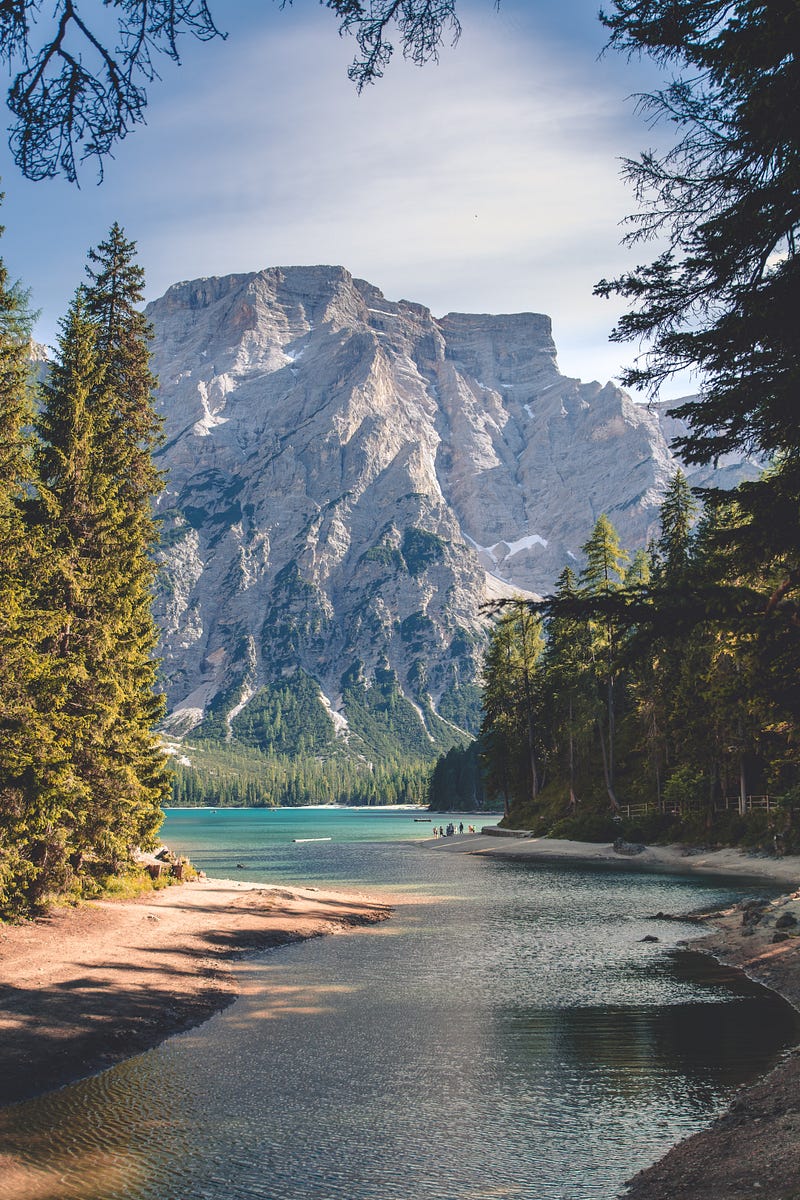
Photo by Pietro De Grandi on Unsplash

Too frequent or very long periods of psychological stress can throw (almost) every person out of balance.

Among other things, relationship problems, disrespecting colleagues, high levels of stress at work, and financial difficulties can lead to this condition.

Financial problems alone cause severe stress for 70 percent of Americans. Most respondents began experiencing increased levels of stress after the Pandemic onset in March 2020.

Photo by Dan Burton on Unsplash

Sometimes such constant nervous swings turn into a condition familiar to many by sensation, but to few by its name — ego depletion.

Ego depletion is a state of losing control of our emotions against the background of mental hyperexcitability.

In this state, each act of losing self-control increases the likelihood of another breakdown.

Often mentally exhausted people are prone to aggression, especially when they are provoked into it.

Chinese and American scientists have tried to figure out how visiting natural locations affects aggression in a state of nervous and emotional depletion.

No differences in aggressive behavior were found between depleted and non-depleted participants in a calm state (i.e., in the absence of provocation).

However, in the presence of provocation, depleted participants staying in urban conditions showed more aggressive behavior than those who were in nature.

The authors of the study claim that even a short period of stay in green natural areas can restore self-control and reduce the level of depletion.
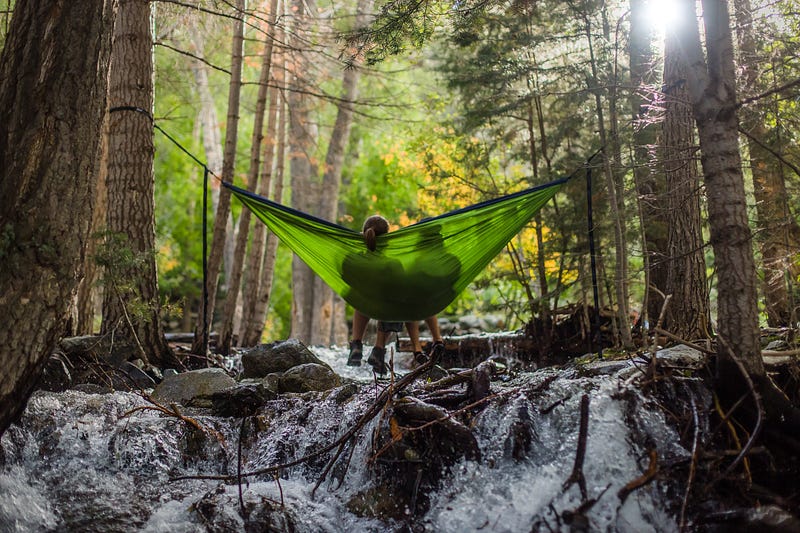
Photo by Spring Fed Images on Unsplash

The European office of the World Health Organization recommends that the distance from our home to the nearest green space of at least half a hectare should be no more than 300 m (5-minute walk).

Unfortunately, when buying or renting a home, most people underestimate the importance of the proximity of natural spaces to their homes.

According to a survey of 145 people renting urban social housing, only 7 per cent of participants named the location of the house as an important criterion when choosing a place to live.

Here are the top criteria for choosing a place to live (in this study)

  • 47% of interviewees simply needed a place to live;
  • 12% considered cleanliness and safety as important criteria;
  • 10% proximity to work or school;
  • 9% — rental cost;
  • 8 % were interested in the size of the apartment or the number of bedrooms;
  • 6% wanted an apartment on a “low floor”;
  • 1 person said that having close-knit neighbors was very important.

Moreover, of the remaining 7% of respondents, only one identified the “natural environment” as an important factor.
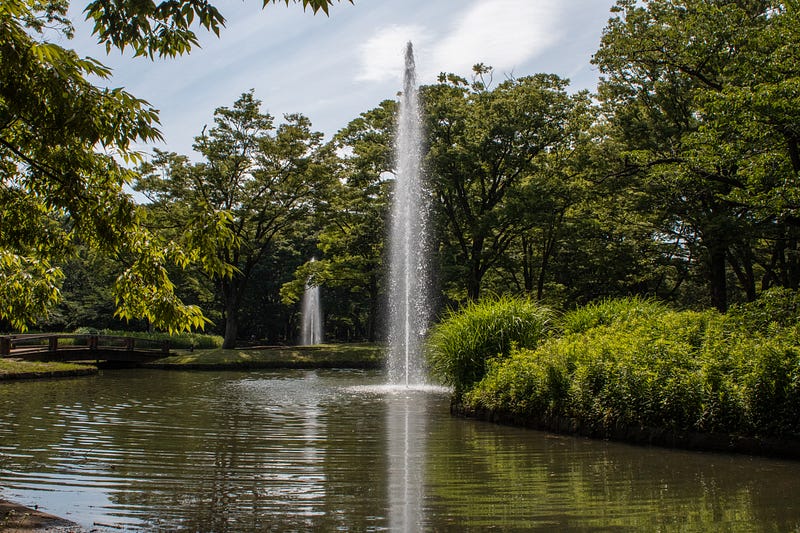
Photo by Joan on Unsplash

Meanwhile, the scientists who conducted the survey found that residents living in more environmentally friendly houses showed lower levels of aggression in the state of mental fatigue.

Mental fatigue was determined using attention tests.

People living in areas with low levels of greenery were more likely to experience attacks of aggression combined with mental fatigue, compared to those living in greener locations.

These two indicators (aggression and mental fatigue) were directly related. Aggression sometimes turned to violence, the researchers of this study informed.

In another study involving almost 20,000 people, Published in Scientific Reports, a team led by Matthew White from the European Center for Environment and Human Health at the University of Exeter found significant improvements in the health and well-being of people who spent enough time in nature.

How much time should we spend in nature for mental balance according to the study?
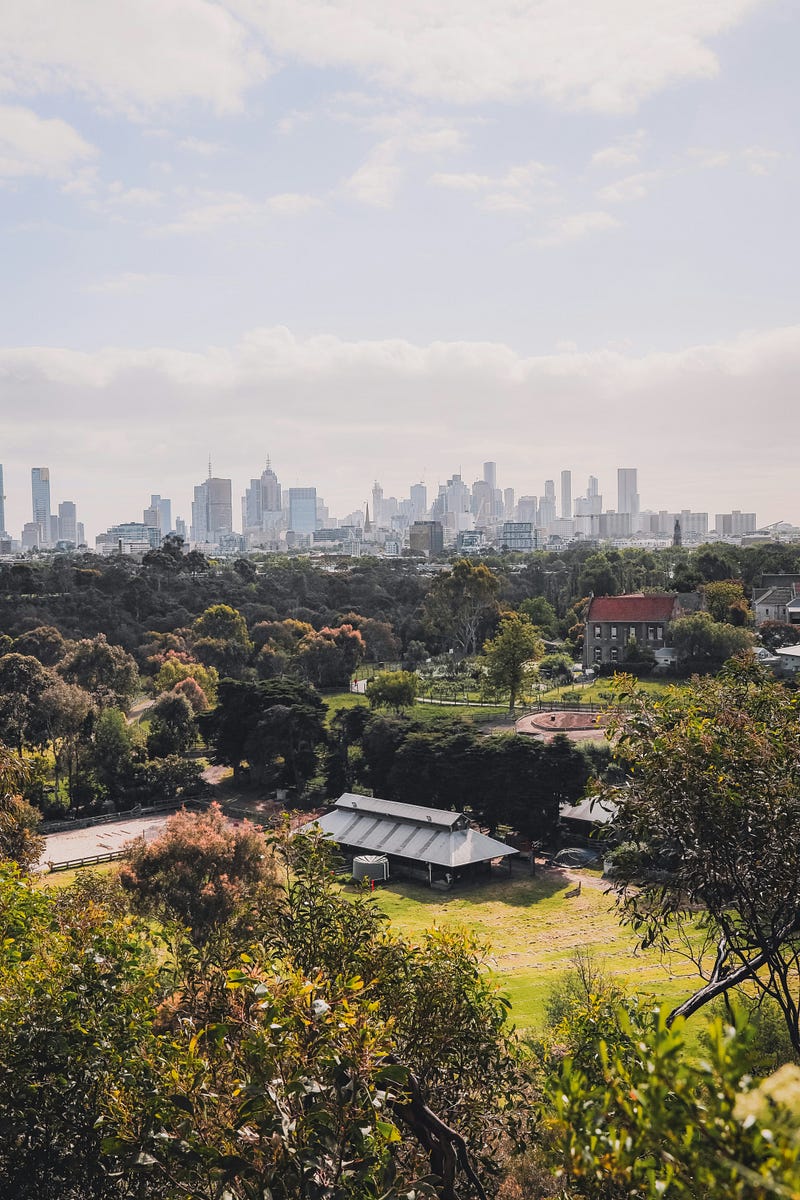
Photo by Pat Whelen on Unsplash

Study participants who spent two or more hours a week in nature were significantly more likely to report feeling well and being healthier than those who did not visit a natural location.

How much more?

Health was boosted by 60 percent. Well-being increased by 23 percent.

It is also important to note that the highest positive effect was observed at 200–300 minutes per week of spending time in nature for all categories of people, including people with chronic diseases and the elderly.

So, is spending 5 hours a week in nature enough for good mental health?

Absolutely! Researchers in this study say that further increase (over 300 minutes per week) did not affect improving physical and mental health. So 5 hours a week spent in nature is the gold standard for your mental health and well-being.

You may wonder whether this positive influence of nature on mental health is not because people are more likely to engage in sports and physical activity in parks. That’s partly true. But this is far from the only reason.

Numerous studies show that birdsong, open water bodies, and green plants individually and together improve the mental well-being of the population and help to cope with negative thoughts.

Photo by Stephen Tafra on Unsplash

Of course, ideally, you should combine active movement with nature and clean air. This will maximize the effect on both your physical and mental health, which are closely linked.

To find stronger evidence that a walk in a green space is much more beneficial for mental health than a walk on city streets, we should pay attention to the findings of UWE Bristol, which will dispel all our doubts.

Photo by Scott Broome on Unsplash

Here are the key conclusions of this brilliant study

  • Just a 15-minute walk in an urban park reduced feelings of anxiety and stress in young people by up to 19 percent, compared to city streets devoid of nature;
  • Large green spaces such as forests had a significantly greater impact on mental health and wellbeing than smaller parks and squares;
  • A 15-minute walk in the forest reduces anxiety symptoms by up to 31 percent;
  • Having natural areas within 500 meters of housing reduces the risk of anxiety and depression in the young population.

UWE Bristol Researcher, Dr Issy Bray, said:

‘‘ The 14 –24 age group which we focused on in this study is particularly important as it is a formative period which spans both childhood and adulthood and is when many mental health conditions begin. The findings will be useful in supporting young people to look after and improve their mental health; encouraging more people to utilise their local green spaces, especially during this difficult winter period…’’

The only way to be sure you don’t miss my new story is to subscribe to email notifications in two clicks. Thank You for reading!

Health
Mental Health
Science
Depression
Psychology
Recommended from ReadMedium