
How VR and AR are Revolutionizing Education and Training
The benefits and challenges of immersive learning technologies in various domains and settings
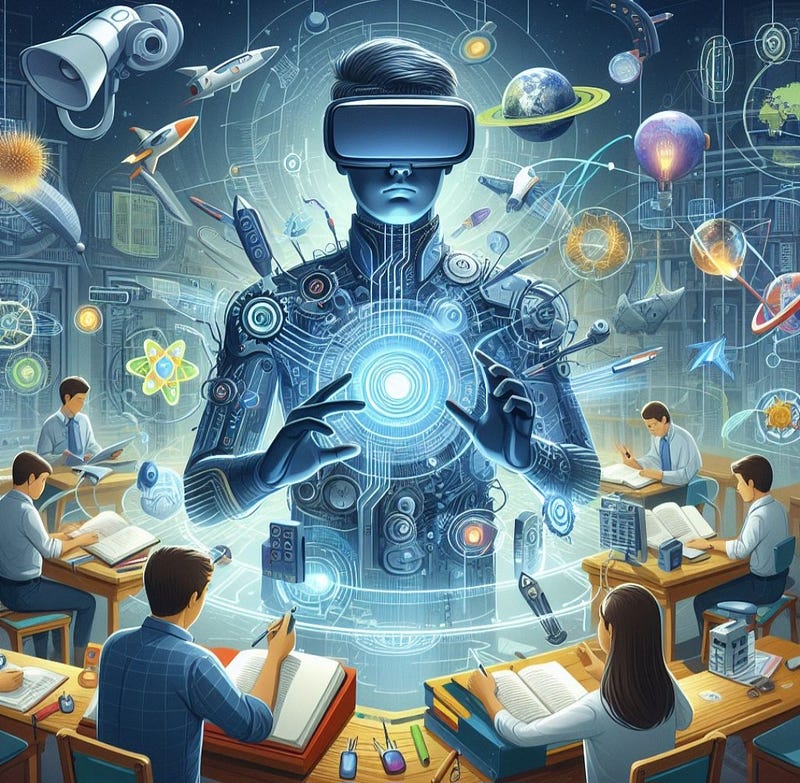
Virtual reality (VR) and augmented reality (AR) are two of the most innovative and immersive technologies that have emerged in recent years. VR creates a fully simulated environment that surrounds the user, while AR overlays digital information onto the real world. Both technologies have the potential to transform the way we learn and train in various domains and settings, such as education, health, entertainment, and industry.
VR and AR offer several advantages over traditional methods of learning and training, such as:
Engagement:
VR and AR can create realistic and interactive scenarios that capture the attention and interest of the learners, making them more motivated and focused.
Retention:
VR and AR can enhance the memory and recall of the learners, as they can experience and practice the content in a more memorable and meaningful way.
Accessibility:
VR and AR can provide access to learning and training opportunities that might otherwise be unavailable, costly, or risky, such as remote locations, rare events, or hazardous situations.
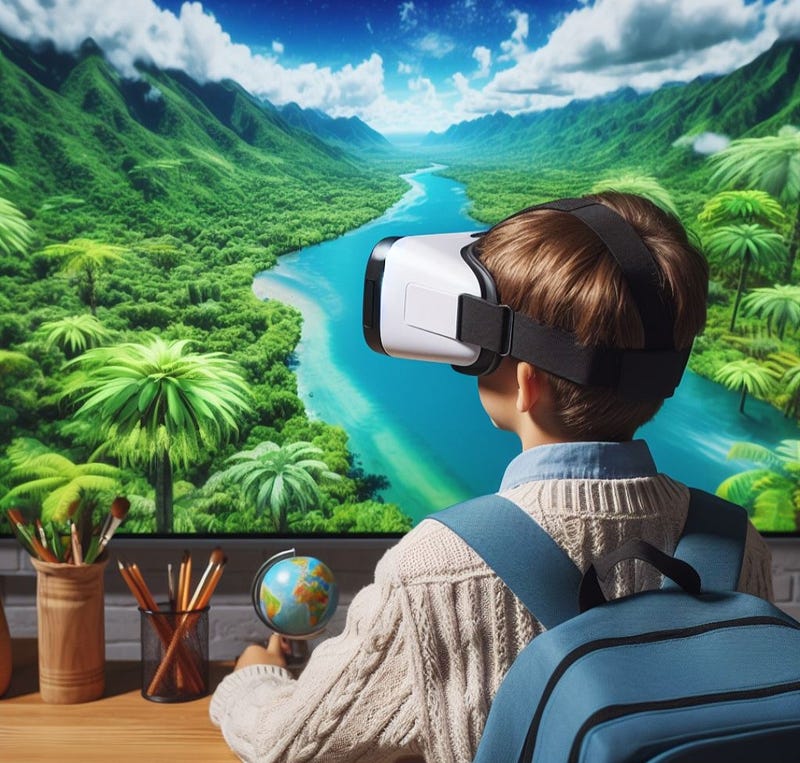
Personalization:
VR and AR can adapt to the needs and preferences of the learners, offering them customized and individualized feedback and guidance.
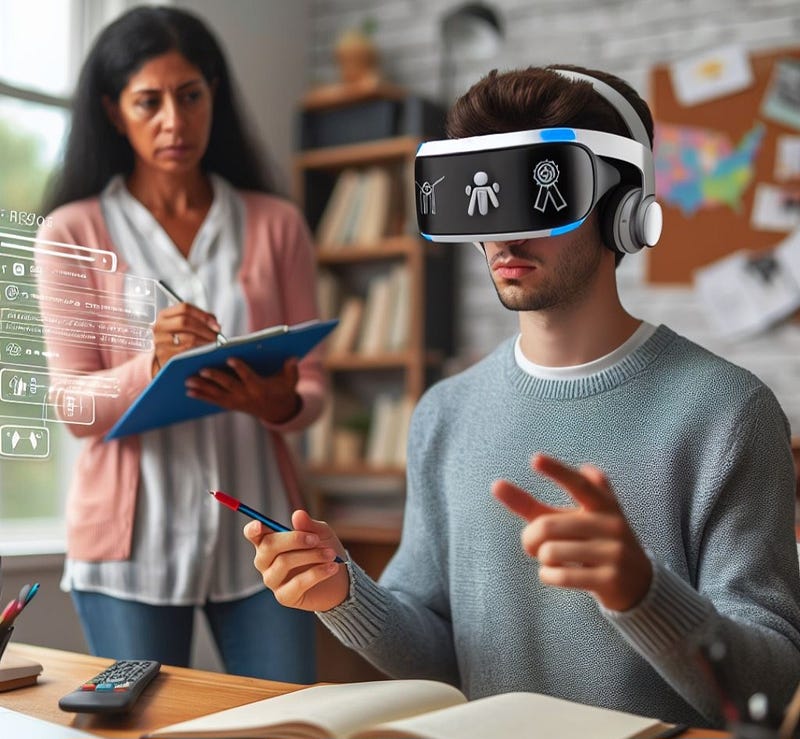
Unfortunately, VR and AR also pose some challenges and limitations that need to be addressed, such as:
Cost:
VR and AR require expensive and sophisticated hardware and software, which might not be affordable or compatible for all learners and trainers.

Quality:
VR and AR depend on the quality and accuracy of the content and the technology, which might vary depending on the source and the provider.

Ethics:
VR and AR raise some ethical and social issues, such as privacy, security, consent, and responsibility, which might affect the rights and well-being of the learners and trainers.
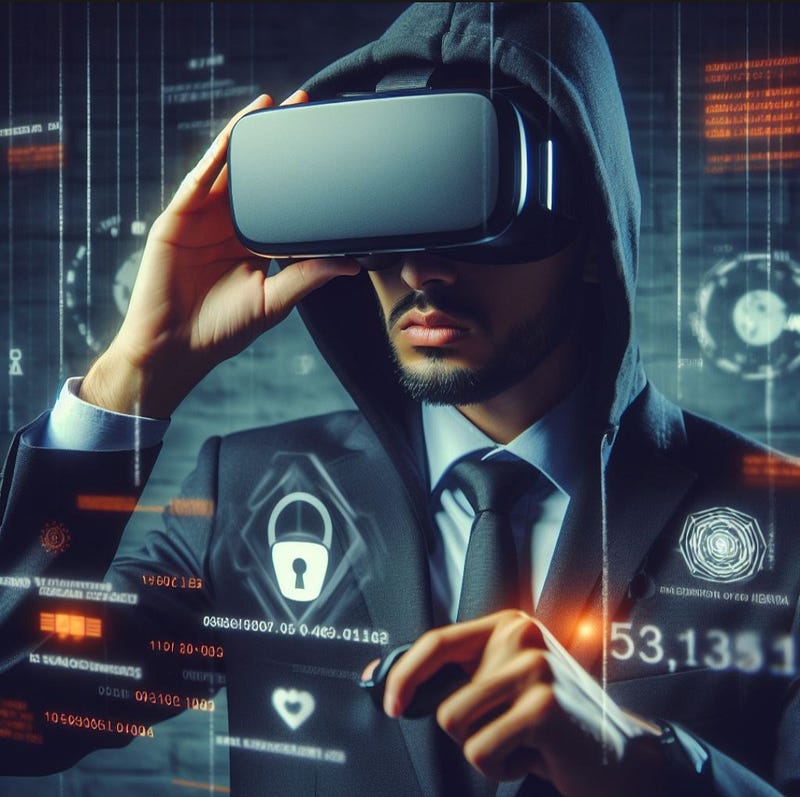
Health:
VR and AR might cause some physical and psychological side effects, such as nausea, fatigue, disorientation, or addiction, which might impair the performance and health of the learners and trainers.

VR and AR are not just gimmicks or toys, but powerful and promising tools for learning and training. They have the potential to revolutionize the way we acquire and apply knowledge and skills in various domains and settings. VR and AR require careful and responsible use and evaluation, as they have both positive and negative impacts on learning and training.