
How Vehicle Financing Works
How APR, principle, and term affects your car note in unforeseen ways
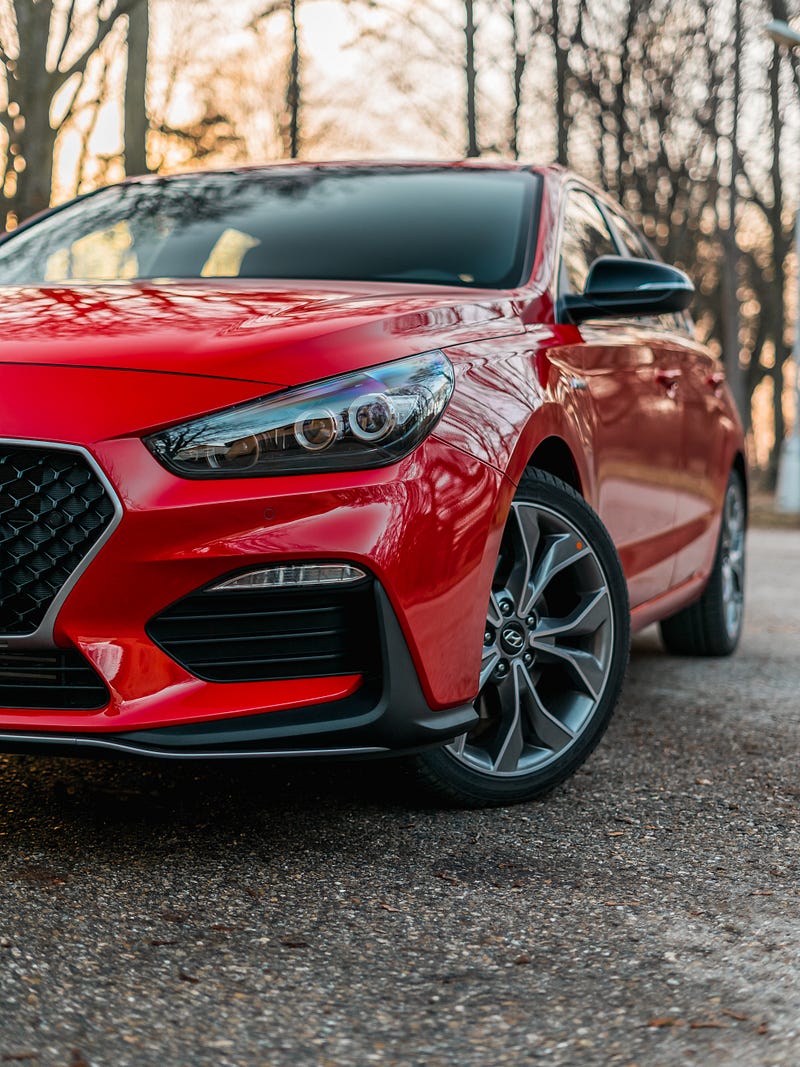
Like many people, I’ve loved cars since I was a kid! I used to subscribe to Car and Driver Magazine, and my mother used to take me to the New York Auto Show at the Javitz Center when I was young.
Fast forward about 30 years, and I still love cars! I don’t read car magazines the way I used to, but I still go to car shows.
I love cars so much that I enjoy going to dealerships with anyone I know looking to buy a car.
Car buying can be an exhilarating experience! However, I realize for some, a dealership can be quite intimidating.
Many car salesmen have relaxed their approach a bit, but some people still feel unprepared when they go to buy a car. They’ll visit their favorite car information website, get a general sense of how much the car they want should cost, and figure out a ballpark estimate of what their monthly payments should be.
But when they sit down with the dealer and review their payment options, they’re nothing like what they see online. That causes many customers to feel frustrated with the car buying experience.
This is something I’ve seen often, but not a problem I’ve had myself. I like to think this is because I have a strong grasp on not just personal finance, but financing in general.
If you find yourself feeling frustrated dealing with car financing, read this article through till the end. I’ll help you get more familiar with how car financing works!
What Goes into a Car Loan?
According to the Federal Reserve Bank of New York, over 107 million Americans took out a loan to finance their car in 2017. That number represents 43% of the US adult population!
Despite the fact that so many Americans use loans to buy cars, it seems that few of us really understand how loans work.
There are three important factors to consider when taking out a loan: your principal (the amount you’re looking to borrow), your annual percentage rate, or APR (the rate you’re asked to pay to borrow from the lender) and the term (the amount of time you have to repay the lender).
People naturally understand the principal and the term, but APR tends to trip them up. Lending institutions may give the same buyer very different interest rates. However, the APR is usually determined by the same four factors:
- Credit history — having a strong credit history is most beneficial when taking out a loan. This is reflected in your credit score. Lending institutions see higher credit scores as an indicator of higher certainty that the loan will be repaid.
- Size of your down payment — putting money down on a car shows lending institutions that you have skin in the game. This allows them to see you as a less risky borrower, thus potentially lowering your APR
- Age of the car — lending institutions tend to offer lower rates to borrowers buying newer cars
- Length of the term — this is the factor that frustrates most people. Extending the term is generally seen as a way of reducing the monthly payment. However, extending the term can cause lending institutions to raise a borrower’s APR
If you’re looking to buy a new car and you have a strong credit score, a decent down payment, and a shorter term, you can expect a very favorable APR. However, if one or more of those statements don’t apply to your purchase, your loan may cost you more than you expected.
Here’s an example of how the combination of term and APR can affect your purchase. Let’s say you’re looking to buy a car. You’ve decided to finance the vehicle through a loan. The amount you’re going to spend in total for the car is $20,000 and you’ve put no money down.
You’re offered three different loans. Each has different APRs and terms.
The first loan offers a 60-month term with a 5% interest rate, giving you a $378 monthly payment.
The second loan offers you a 72-month term with a 6% interest rate, giving you a $332 monthly payment.
The third loan offers you an 84-month term with a 7% interest rate, giving you a $302 monthly payment. Which do you choose?
Many people might go for option three, with its $302 monthly payment. Is that the right answer? Well, that entirely depends on what you value.
Yes, the third option gives you the lowest monthly payment. However, the third option also means you’ll pay $25,368 over the life of the loan. Since you only borrowed $20,000, that means you’ll pay $5368 to borrow the money.
Am I saying the first option is right? Let’s see. The first loan will have you pay $22,680 over the life of the loan, meaning that it only costs you $2680 to borrow the money. You’ll save $2688 in the long run.
Choosing the “correct” answer depends on how tight your budget is. If you reliably have more disposable income each month, option one may be the best way to go.
However, if you have less disposable income, you might feel like option three works for you. These are all things that it would be in your best interest to consider before walking into a car dealership.
Conclusion
With over 107 million Americans taking our car loans, it’s fair to say that Americans love buying cars! While we love it, it seems that many of us are frustrated with our lack of understanding when it comes to how car loans work.
There are a few moving parts in determining what a borrower’s monthly payment will be when they buy a car. We understand principle and term pretty well, but we get lost when it comes to figuring out how our APR is determined.
The best way to ensure that you’re getting a great deal on your car is to develop a strong credit score, buy a new car, make a decent down payment, and choose a shorter loan repayment term.