
How Using Magic Words Help Us To Become More Persuasive
Some words carry more power to influence others
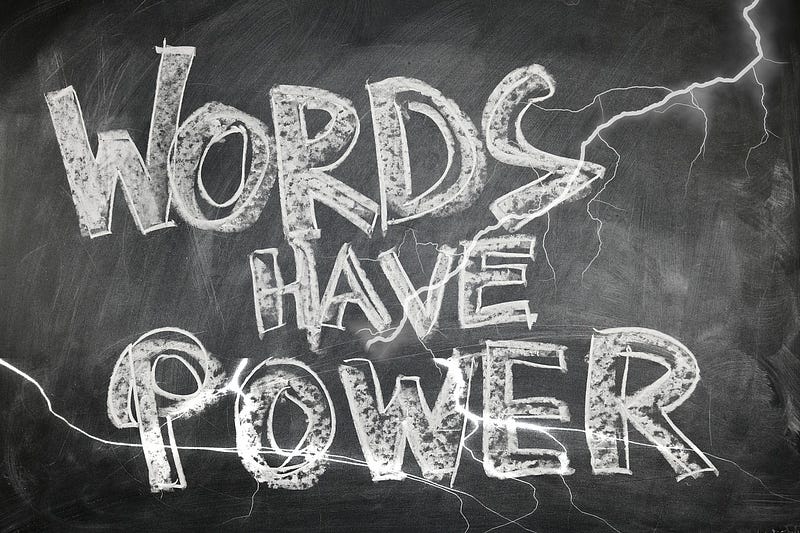
Words are the building blocks of communication. Every day, we use hundreds and thousands of words while speaking to others, drafting emails, or writing letters, scripts, stories, and reports.
Words also dominate our inner chatter.
Words interact with human psychology to evoke different responses from people.
The selection of words influences the outcomes of our efforts to persuade others, in our roles as lawyers, leaders, parents, teachers, salespersons, customer service representatives, etc.
The best selling author and marketing professor Jonah Berger, has written the book, Magic Words: What to Say Get Your Way”. He said,
“I’ve seen the power of magic words. Yes, what we say matters, but some words are more impactful than others. The right words, used at the right time, can change minds, engage audiences, and drive action.”
People care about their identities
“Framing actions as opportunities to claim desired identities will make people more likely to do them.” (Jonah Berger)
Some words are more powerful than others. For example, we know how prefixing the word ‘please’ to any request increases the chances of people agreeing to help us.
What’s magical about the word, please?
People don’t like to be ordered to do something. It tilts the balance of power towards the asker.
Please is non-aggressive. It conveys humility and civility.
People like to identify themselves as helpers. It makes them feel good.
Researchers asked groups of five-year-old school kids to clean up a messed up classroom.
To one group, they asked the kids to clean the room. To the other group, they asked whether the kids would like to be cleaners. They found the second group more responsive to their request. The identity of being cleaners sounded more appealing than a mere request to clean the room.
“By simply changing one word, we can get people to comply with our requests more effectively.” (Jonah Berger)
In the late 1970s, Harvard University researchers interrupted people using the copying machine in the library with a request.
First, they asked, “Excuse me, I have five pages. May I use the Xerox machine?”
Second, they asked, “Excuse me, I have five pages. May I use the Xerox machine because I’m in a rush?”
The use of the word because increased the chances of the other person agreeing to the request by 50 percent.
The word because provided a reason for the request. The validity of the reason did not matter. The semblance of a reason amplified the request’s fairness.
Sometimes, nouns work better than verbs
“Don’t be a litter” works better than “Don’t litter.”
“Don’t be a liar” is more effective than “Don’t lie.”
“Be a reader” makes kids read a lot than telling them, “Read books.”
Berger has identified six types of magic words that:
- activate identity and agency.
- convey confidence.
- ask the right questions.
- leverage concreteness.
- employ emotion.
- harness similarity ( and difference ).
Berger said,
“Like enchanting spells, certain words, used strategically, could change, or do anything. Listeners were powerless to resist them.”
Words acquire magical power when we use the right words in the right contexts. Nobody is a born writer or a great speaker. We hone our communication skills better when we understand the science behind the psychology of words, which shape the intricacies of human behaviour.
Our chances of success, whether in our relationships or in our jobs, improve when we understand and use the power of magic words to influence others.
Thanks for reading.