
How Ukraine’s Neglected Defenses Opened the Door to Russian Advances: The Cost of Unpreparedness!
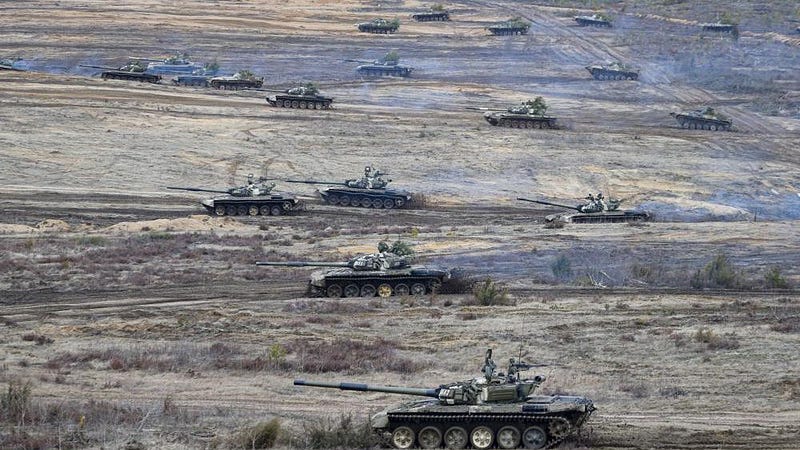
The situation in Eastern Ukraine, particularly around the city of Avdiivka, has become a focal point of the ongoing conflict between Ukraine and Russia. Recent Russian advances in this area, attributed to a combination of factors including dwindling Ukrainian ammunition supplies and decreasing Western aid, highlight a broader issue of strategic vulnerability for Ukraine. Recent developments have spotlighted the inadequacy of Ukrainian defenses, particularly the sparse and rudimentary trench lines west of Avdiivka, which have been ineffective in halting Russian tank advancements and protecting critical infrastructure.
These developments are not isolated incidents but part of a larger narrative of the conflict that has seen Avdiivka emerge as one of its bloodiest battlegrounds over the last nine months. Despite Russia’s significant capture of the city on February 17, marking its first major gain since the previous year, Ukrainian claims of having secured defensive lines outside the city now appear overly optimistic as Russian forces have swiftly taken control of nearby villages. This situation has raised concerns among American officials about Ukraine’s preparedness and its ability to withstand further Russian advances. British military intelligence has also noted the unusually rapid Russian advancement towards Avdiivka, signaling a shift in the dynamics of the conflict.
The defense of Avdiivka and its surroundings has been hampered by the presence of basic earth fortifications, which, while providing minimal cover for infantry, lack the comprehensive defensive structures seen in Russian-held territories. This contrast in defensive readiness has stark implications for the conflict’s trajectory. Ukrainian commanders have had ample time to fortify the area, especially given its strategic importance and the fact that it has been contested since 2014. However, the efforts made have been insufficient when compared to the formidable Russian defenses that effectively repelled Ukrainian counteroffensives last summer.
A quick heads-up: Medium’s been tweaking its algorithms and it’s getting trickier for my stories to land in your feed. So, if you enjoy my work, please make some noise! Hit that clap button, light up the highlights, or drop a comment. Every interaction helps keep the stories flowing. Thanks for your support!
The disparity in defensive strategies raises questions about the allocation of Ukrainian resources and the emphasis on offensive operations at the expense of building more robust defensive lines. American officials and military experts suggest that Ukraine might have prioritized its offensive capabilities last year, neglecting the construction of multi-layered trenches and tank traps akin to those Russia has been developing in the south of the country since late 2022. This oversight, coupled with a potential psychological reluctance to heavily mine areas – effectively ceding territory to Russian control – has contributed to the current predicament.
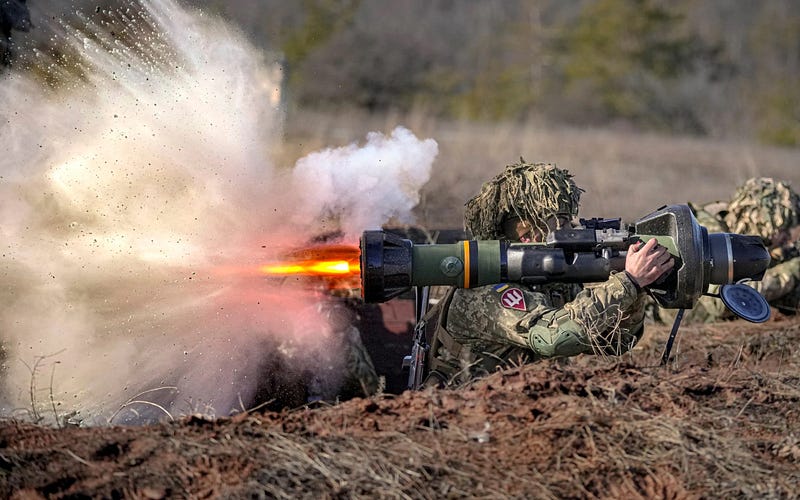
In response to the escalating threat, the Ukrainian government has allocated approximately 800 million dollars for fortifications this year, with a focus on enhancing defenses in the eastern Donetsk region, where Avdiivka is located. Despite these efforts, and the formation of a task force to coordinate defense construction, significant progress has been elusive. Analysts like Pasi Paroinen of Black Bird Group note that new defensive positions being prepared outside Avdiivka do not yet constitute a formidable defensive line, and are not comparable in scale to Russian fortifications in the south.
This situation is further complicated by a reported shortage of engineers and equipment necessary for constructing effective defensive lines. The lack of skilled labor is so acute that local officials in the Ivano-Frankivsk region have sought additional workers to assist in the construction efforts in Donetsk. This shortage, along with the continuous bombardment by Russian forces, makes the task of fortifying positions exponentially more challenging. The use of powerful bombs by Russia to target these nascent defenses highlights the severe difficulties Ukraine faces in establishing a resilient defensive posture capable of withstanding the current offensive.
The comparison between the rudimentary Ukrainian defenses and the more sophisticated Russian fortifications, such as those seen around the village of Verbove in the south, highlights a significant disparity in defensive strategy and execution. Russian defenses, characterized by concentric rings of fortifications including wide trenches, anti-tank ditches, and obstacles known as “dragon’s teeth,” stand in stark contrast to the basic earth fortifications and trench lines that mark the Ukrainian defense efforts outside Avdiivka. This discrepancy not only impedes Ukrainian defensive capabilities but also illustrates the strategic foresight behind Russian fortification efforts, which have effectively thwarted Ukrainian advances in the past.
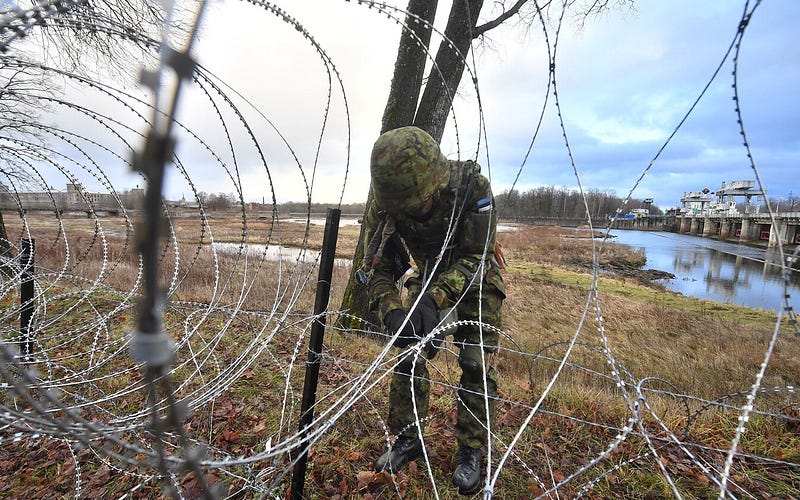
The acknowledgment of this strategic gap has prompted a response from the Ukrainian government, with significant resources being allocated towards the enhancement of defensive structures. The announcement of a task force to coordinate defense construction and the allocation of approximately 800 million dollars for fortifications reflect a strategic recalibration aimed at bolstering Ukraine’s defensive posture. However, the effectiveness of these efforts is contingent upon overcoming the logistical and operational challenges that have hindered past initiatives, including the shortage of skilled labor and the difficulties of construction under active hostilities.
Furthermore, the situation underscores the importance of Western support in addressing both the immediate tactical needs and the longer-term strategic objectives of Ukraine. The provision of military aid, including ammunition and defensive equipment, remains a critical component of this support. However, the evolving nature of the conflict and the demonstrated need for robust defensive structures suggest that assistance in the form of engineering expertise and logistical support for fortification construction will be equally vital. Such support would not only enhance Ukraine’s defensive capabilities but also signal a continued commitment to Ukraine’s sovereignty and resilience in the face of Russian aggression.
The strategic considerations extend beyond the immediate military implications, touching on the psychological and symbolic dimensions of the conflict. The reluctance to heavily mine certain areas, for fear of ceding territory, reflects the complex interplay between tactical decisions and their broader strategic and psychological impacts. This dynamic highlights the challenges facing Ukraine and its allies in balancing the need for effective defense with the imperatives of maintaining morale and asserting sovereignty.
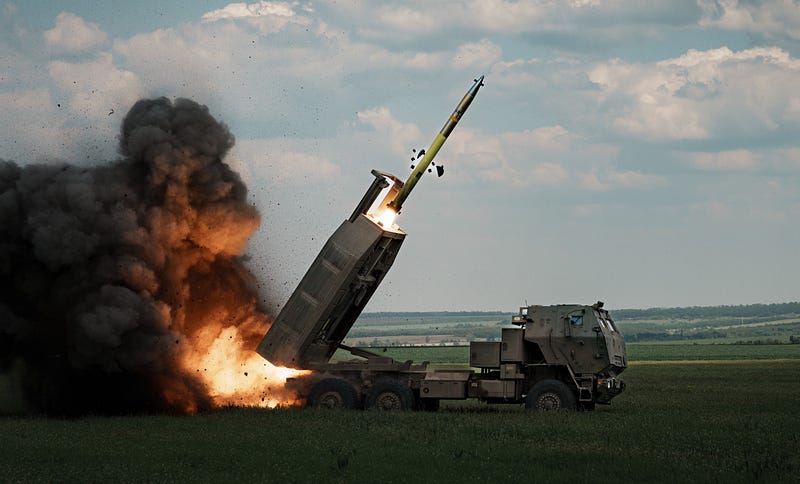
Looking forward, the lessons drawn from the current situation around Avdiivka and the broader Eastern Ukrainian front will likely inform future military and strategic decisions. The emphasis on enhancing defensive capabilities, coupled with continued support from Western allies, will be crucial in shaping the trajectory of the conflict. The ability to construct and maintain effective defensive lines will not only determine the immediate tactical outcomes but also influence the strategic balance in the region.
In conclusion, the developments in Eastern Ukraine, particularly the challenges faced around Avdiivka, illuminate the complexities of modern warfare and the critical importance of strategic foresight, robust defense, and international support in navigating the conflict. As Ukraine and its allies recalibrate their strategies in response to these challenges, the focus on strengthening defensive structures and enhancing logistical and engineering support will be key to ensuring Ukraine’s resilience and sovereignty in the face of ongoing Russian aggression.