
How Ukraine Trained 20,000 Certified Drone Pilots and Built a Drone Arsenal in Under a Year!
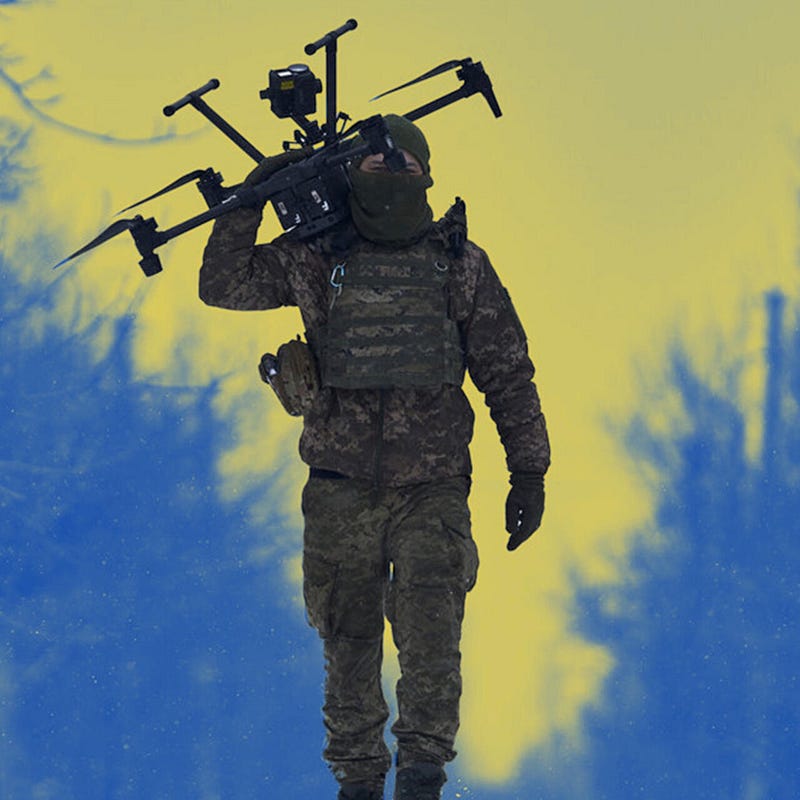
Ukraine’s determination to match and ultimately surpass Russia’s battlefield might stands as one of the defining aspects of this brutal war. One area where the Ukrainians have displayed unwavering ambition is the rapid development of their drone industry. Since the invasion began, Kyiv has prioritized developing a technologically advanced force to take the fight deep into the enemy’s heartland. As reported by several news outlets, Ukraine vows to manufacture thousands of long-range attack drones with Moscow and St. Petersburg firmly within their sights. This bold push toward technological and industrial parity underscores Ukraine’s ambition to outstrip Russia’s combat potential. This isn’t solely an arms race – it’s a reflection of a war where innovation increasingly determines battlefield outcomes.
At the heart of this transformation is Ukraine’s Digital Transformation Minister, Mykhailo Fedorov. Young, savvy, and utterly consumed by the war effort, he has tirelessly championed the deregulation of Ukraine’s defense industry, creating the conditions for unprecedented innovation and investment. In doing so, Kyiv has effectively mirrored the agile nature of Silicon Valley startups, with the state itself adopting a venture investor mindset. Fedorov contends that a key element of Ukraine’s strategy was eliminating bureaucratic barriers. This resulted in simplified procurement processes, eased regulations for decommissioning equipment, and the elimination of taxes on imported drone components. For a sector often constrained by government red tape, such changes amounted to a revolution, facilitating the exponential growth seen today.
But this is more than just about streamlining regulations. Ukraine has wholeheartedly backed its defense startups financially. Initiatives like ‘BRAVE1', aimed at kickstarting innovation, offered crucial grants to fledgling businesses eager to bolster the war effort. Set for significant expansion in 2024, such investments provide crucial resources for entrepreneurs aiming to deliver game-changing technologies to the frontlines. While Russia continues to rely on an aging, state-dominated military apparatus, Ukraine has fostered a flourishing private sector of drone manufacturers. Of Ukraine’s top companies capable of striking Russia’s strategic centers, only one is state-owned. This stark contrast demonstrates a fundamental difference; instead of centralized procurement and rigid structures, Kyiv leans on an ecosystem of entrepreneurial dynamism.
A quick heads-up: Medium’s been tweaking its algorithms and it’s getting trickier for my stories to land in your feed. So, if you enjoy my work, please make some noise! Hit that clap button, light up the highlights, or drop a comment. Every interaction helps keep the stories flowing. Thanks for your support!
Fedorov proudly notes that a year into the war, drone production figures rose a staggering 120 times over. From recon quadcopters to long-range attack drones, the Ukrainian arsenal expanded drastically, forcing Russia to continually adapt to these emerging battlefield threats. It’s clear Kyiv’s approach of incentivizing private innovation is paying off spectacularly. It’s tempting to draw parallels to a chess match, but those would be misleading. In a chess game, pieces are finite, governed by predictable rules. The drone war, unfortunately, is far more chaotic. As one side introduces newer drones, the other must find innovative ways to counter them. This is a contest more akin to the rapid development of early World War I weaponry, where tactics adapted, sometimes week-by-week, in response to fresh horrors on the battlefield.
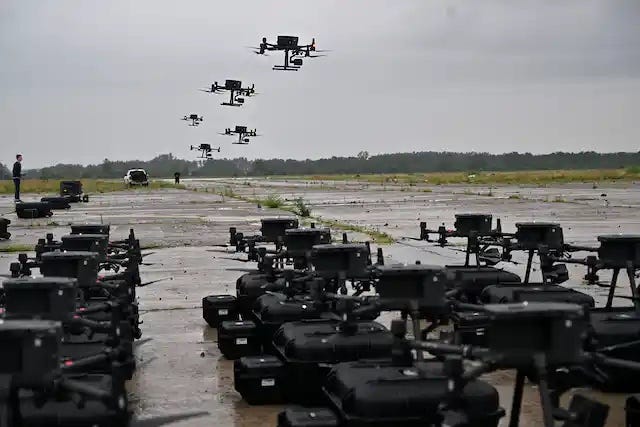
To achieve these gains, over 300,000 drones across different categories were acquired for Ukrainian forces in 2023. Such numbers are astounding, especially as Ukrainian-made models were but a sliver of this figure. Yet, they illustrate the scale of Ukrainian industrial mobilization – a remarkable effort driven by both centralized state efforts and passionate citizen initiative. Despite these positive indicators, challenges persist. Reliance on foreign sources for critical components remains a point of vulnerability. While companies work furiously to localize production, dependence on global supply chains could prove a weakness if support from allies wavers. However, as Fedorov notes, Ukrainian firms are already making a conscious effort to move away from imports, steadily growing their ability to design and fabricate advanced technology in-house.
Beyond acquiring hardware, drone warfare requires skilled hands operating them. Here, again, Ukraine displays impressive foresight. Subsidized training programs have churned out over 20,000 certified drone pilots since early 2023. The creation of privately-run, government-funded schools provides Ukraine with a deep pool of highly trained operators to draw from. This is war’s evolution – the weapon only being a fragment of the total equation. To achieve this turnaround, they’ve not merely replicated tactics or technologies that worked before. Ukraine understands success involves embracing the lessons of modern warfare; the need for adaptable forces, constant technological improvement, and an understanding that even minor shifts can yield tremendous effects on the battlefield.
While Ukrainian determination and grit deserve full and unqualified praise, their rapid advance wouldn’t be possible without allies providing both weaponry and intelligence. In the drone war, it’s undeniable that foreign partnerships have proven invaluable. However, with each localized production success, and each step towards technological independence, Kyiv moves closer to self-sufficiency. This is crucial for a nation at war to reduce vulnerabilities and ensure its ability to withstand long-term aggression.
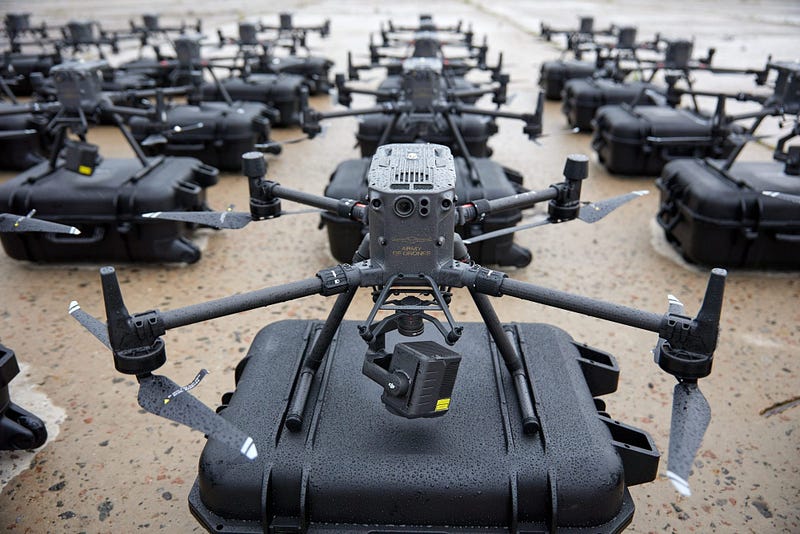
In this struggle, one of Ukraine’s great strengths comes from an often-overlooked advantage: an engaged public. From volunteers donating small multirotors to grandmothers handing over precious savings, the entire population seems mobilized under a single goal of victory. This level of widespread buy-in allows private ventures to thrive, tapping into a vast array of skills and knowledge within the citizenry. Despite their gains, there’s no complacency among Ukrainians. They’re under no illusion about the difficulties ahead. One particularly pressing challenge is the acute shortage of artillery ammunition. It’s here, once again, that private firms could have an immediate and significant impact. Recognizing this, President Zelensky himself has vowed to produce one million First Person View (FPV) drones in 2024, demonstrating a profound understanding that in modern warfare, even small, targeted strikes can yield outsized victories.
Historically, military monopolies stifled innovation. To its credit, Kyiv quickly ended state monopolies in areas crucial to the war effort, from drone munitions to artillery production. With private firms unleashed, they are now developing cutting-edge solutions on par with those of more established Western giants.
These actions showcase Ukraine’s dedication to fight both with military strength and the adaptability essential for victory. This conflict highlights an age-old truth: war changes how nations function, often in unforeseen ways. It’s an evolutionary crucible, testing not just individual courage but systems of organization and leadership under unimaginable pressure. Ukraine, by harnessing innovation and entrepreneurship, demonstrates that nations forged in war can emerge vastly stronger than before. It’s a lesson the world can’t afford to ignore.
If you find these insights compelling, I encourage you to clap to let me know. More importantly, share your thoughts in the comments! What strategies do you think will give Ukraine the decisive edge? Are there lessons we can apply from Ukraine’s experience?