
How Trump’s NATO Remarks Reveal His Sour Relationship with Germany
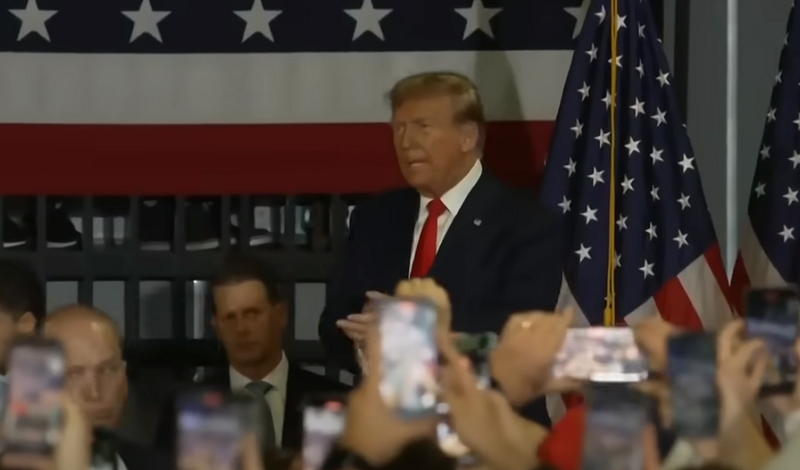
Former US President Donald Trump has never been shy about expressing his disdain for Germany and its policies, especially on defense and trade. His recent comments at a rally in South Carolina, where he said he would “encourage” Russia to attack NATO allies who do not pay their bills, have sparked outrage and condemnation from both sides of the Atlantic. But they also reflect the deep rift that has plagued the German-American relationship during his presidency and beyond.
Trump’s animosity towards Germany dates back to before he took office, when he repeatedly criticized Chancellor Angela Merkel for her open-door refugee policy, calling it a “catastrophic mistake” that would lead to terrorism and crime. He also accused Germany of taking advantage of the US on trade and security, claiming that Berlin owed “vast sums of money” to NATO and the US for the protection it provides. He even called Germany “bad, very bad” for selling millions of cars in the US, threatening to impose tariffs on them.
Merkel, for her part, has never warmed to Trump’s style or his politics. She has often clashed with him on key issues such as climate change, Iran, China, and human rights. She has also defended the multilateral institutions and values that Trump has undermined, such as the European Union, the World Health Organization, and the rule of law. She has made it clear that Germany and Europe cannot rely on the US as a partner under Trump, and that they have to take their fate into their own hands.
The tension between the two leaders was evident in their interactions, which were often awkward and frosty. They failed to shake hands during their first meeting at the White House in 2017, and Trump reportedly threw Starburst candies at Merkel during a G7 summit in 2018. They also exchanged barbs and jabs through the media, with Trump mocking Merkel for being wiretapped by the Obama administration, and Merkel rebuking Trump for his handling of the coronavirus pandemic.
The relationship between the two countries also suffered from a series of diplomatic incidents and controversies, such as Trump’s withdrawal of US troops from Germany, his threat to veto a NATO defense plan for the Baltic states and Poland, his invitation of Russia to rejoin the G7, his refusal to condemn the poisoning of Russian opposition leader Alexei Navalny, and his attempt to block the construction of a gas pipeline between Russia and Germany.
Despite the hopes of many Germans that President Joe Biden would restore the transatlantic partnership, the damage done by Trump may not be easily repaired. Biden has signaled his commitment to NATO and his support for democracy and human rights, but he has also maintained some of Trump’s policies, such as the sanctions on the Nord Stream 2 pipeline and the pressure on Germany to increase its defense spending. He has also prioritized other regions and challenges, such as Asia and climate change, over Europe and Russia.


