
How Trump Turned Me into a Voter For Life
Voting has become not only an expression but a duty
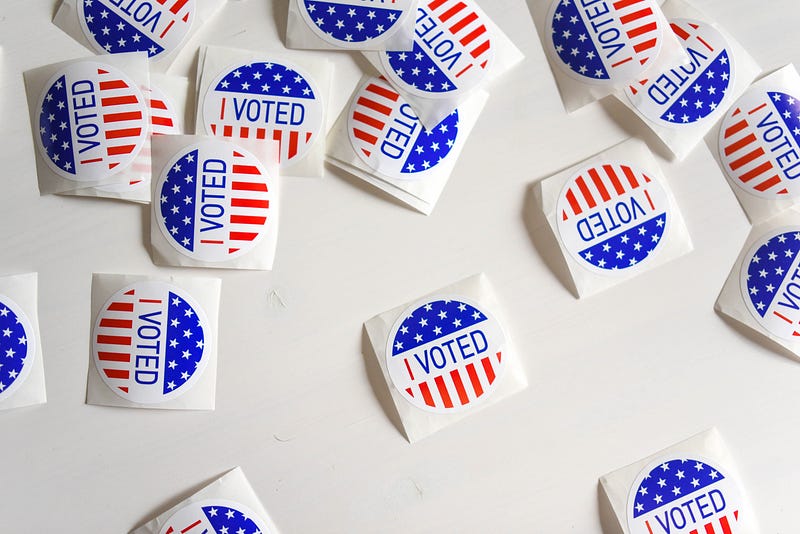
I have always hated politics. When I became eligible to vote before the 2012 presidential election, I had no intention of voting in it. In fact, I did not even know who was even running against Barack Obama.
I consistently made the excuse that since I do not know enough about the candidates that I shouldn’t vote. On the upside, at least I recognized one problem — I couldn’t make an informed vote. However, my response instead should have been to inform myself.
The first time I voted in an election was the 2018 midterm elections. I registered to vote in 2016, but never actually requested an absentee ballot (I was in graduate school out of state). However, after two years of a Trump presidency, I realized how wrong I was.
My Livelihood Was Threatened
Choosing not to vote is an act of privilege in that you do not believe that decisions made by politicians will affect your life. In the debates over the tax bill in 2017, this belief was shattered for me.
I was a graduate student at the time. In science, many graduate students are paid a stipend and given tuition remission, which means they do not have to pay for tuition. This is done in return for the work that we do for the school through research and teaching.
In the debates, the Republican party suggested taxing the tuition remission of graduate students. In the same stroke, they were cutting tax rates for the multi-billionaires. Everyone in my school was panicked. If tuition remission became taxed, I would be taxed as though I was earning $78,000 a year even though I only made less than $24,000 a year (gross).
If this part of the bill was put into law, schools would have lost a majority of their graduate students. Even in Nebraska, I couldn’t live on only a few hundred dollars a month, because the majority of my money was going to taxes. As I held my breath waiting for a president, senators, and congressman to reverse their decisions, I made a decision that I would never give up my right to vote.
These were people who were meant to represent me. Since I allowed my voice to be silent, they were only representing those that had an interest in the laws they were making.
What if…
After the 2020 election, I keep asking “what if everyone voted?”. How would our system look?
In 2020, only 66.3% of eligible voters actually voted. And that is a record!
That means that over a quarter of the American voting population made a choice to not let their voice be heard. I understand how easy it is to be in that population as I spent 6 years of my adult life in that population, but I was wrong.
The Trump presidency affected many people that maybe never realized politics would affect them. That is the reason there was a record turn out not only nationally but in 42 states as well.
If you choose not to vote, you are choosing to silence your own voice. Trust me, by the time politicians' decisions affect your life, it will be too late to raise your voice.
It may be an imperfect system, but if we all take on the duty of voting, we may start correcting the system to actually work for us.