
How Trump Re-Election Will Affect Climate Changes
It’s not only an American problem
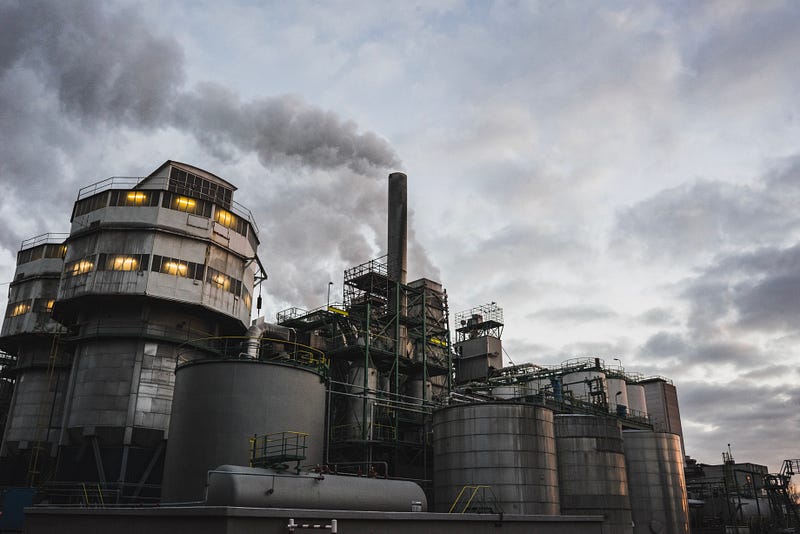
As the 2020 US presidential election is coming closer and even the Italian news talk about it, one question popped into my mind: “What will change for the rest of the world after the election?”
Instead of going through a long list of topics both candidates have on their presidential program, I’ve decided to focus on one issue dear to me: climate changes.
Joe Biden has promised to invest $1.7 trillion in a “clean energy revolution and environmental justice.” Still, what Biden declared seem way far from what is actually needed, even from what Bernie Sanders, who dropped out of the Democratic race for president in April, would have ensured.
The Paris Climate Agreement
The Paris Agreement is an arrangement within the United Nations Framework Convention on Climate Change (UNFCCC), signed by almost 200 countries, to reduce gas emissions and limit global heating to below 2°C above pre-industrial levels.
The agreement requires all parties to work at the best of their possibility to fight climate changes and report the progress made.
On 4 November, the day after the election, Trump can officially quit the Paris Agreement and “free” the US from its commitment to reduce emissions and lower global warming.
If the US, the world’s third-largest country, won’t help reducing pollution and global heating, how much harder other countries will have to work?
Trump has denied several times that there is an actual problem with global warming.
Nonetheless, the Trump administration is rolling back 100 environmental rules about air and water pollution, toxic substances, and animals.
How many will he reverse in the next term?
The Fossil Fuel Industry
Trump has never hidden his love for the fossil-fuel industry; how would he? The oil pipeline billionaire Kelcy Warren clearly supports him and has raised $10m for Trump’s US president’s campaign coffers.
Oil, coal, and natural gas are non-renewable resources; this means they will sooner or later end.
But why fossil fuel is so harmful?
When burned, fossil fuels release in the air a considerable amount of carbon dioxide, a greenhouse gas.
Greenhouse gases keep the heat in the atmosphere provoking global warming. If the global temperature keeps increasing, the ice will melt, increasing the sea level rises, animals extinction, intense weather phenomena, and lack of food.
As the Intergovernmental Panel on Climate Change (IPCC) discovered, fossil fuels’ emissions are the main cause of global warming.
“In 2018, 89% of global CO2 emissions came from fossil fuels and industry. Coal is the dirtiest of the fossil fuels and responsible for over 0.3C of the 1C increase in global average temperatures — making it the single largest source of global temperature rise.” Source: Clientearth.org
“We have removed nearly 25,000 pages of job destroying regulations, more than any other president by far in the history of our country.” Said Trump during a speech at the White House in July.
During these last four years, the Trump administration managed to cancel all Obama’s climate accomplishments, including the offshore Arctic drilling ban, it ordered the Environmental Protection Agency to stop collecting information from fossil fuel corporations. Source: insideclimatenews.org
Trump’s idea to keep using fossil fuel despite the collateral damage for the world’s population doesn’t seem to stop, no matter what scientists and environment protection movements do to warn him.


