
How Travelling Full Time Has Reduced Our Carbon Footprint
It’s the opposite of what you think.
I know what you are thinking.
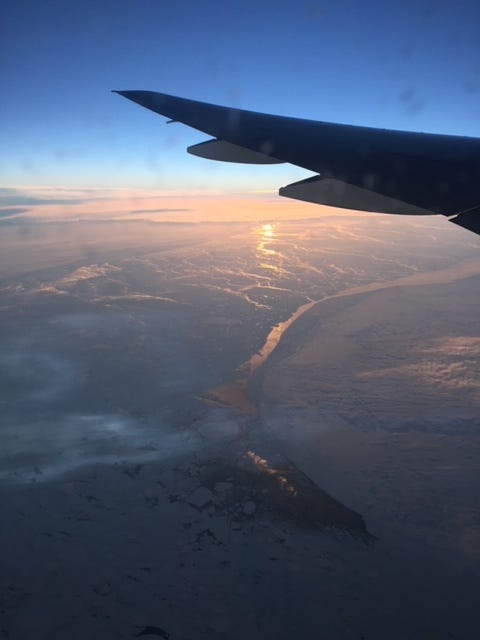
How the heck does travelling reduce a carbon footprint when flying is the most damaging of all?
This was something that concerned me a little bit when we left Canada in 2017 as well. As environmentalists, we really didn’t want to be contributing to the continued devastation of our natural world. But after being on the road for 4 years, we can see that our life now is much better for the planet than the one we were living before. Below are a few reasons why.
We Produce Less Garbage
When we were living in Canada we were constantly purchasing new things for our house. This stuff came in a ridiculous amount of packaging which was made up of plastic and styrofoam, items that are not recyclable. And let’s not forget the amount of carbon output that occurs because of the shipment processes for these goods. Because we are now minimalists, and we barely ever buy anything new for ourselves anymore, we don’t acquire the waste that we used to while living in Canada.
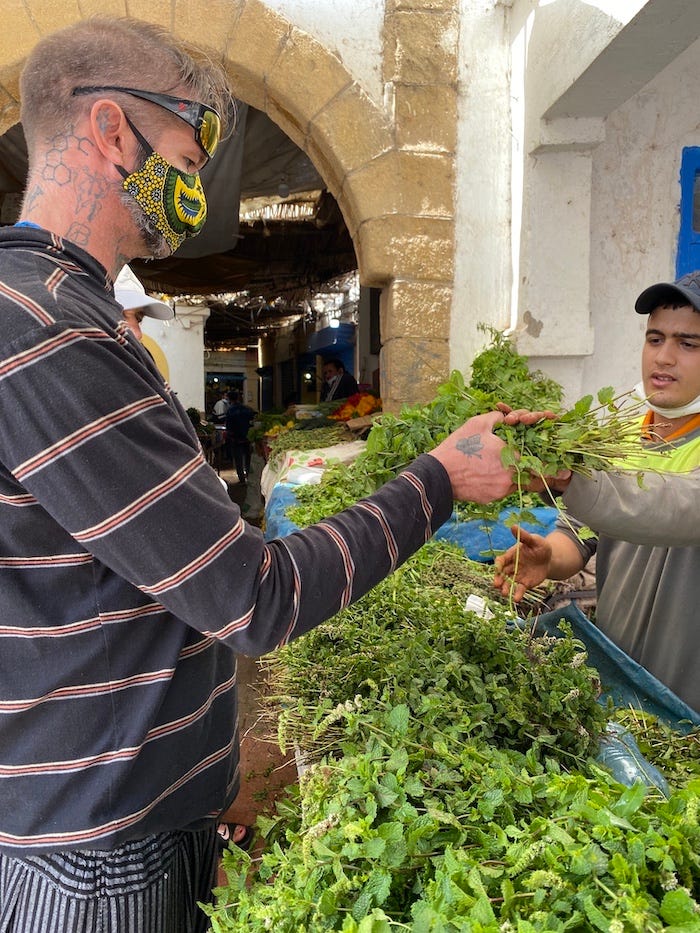
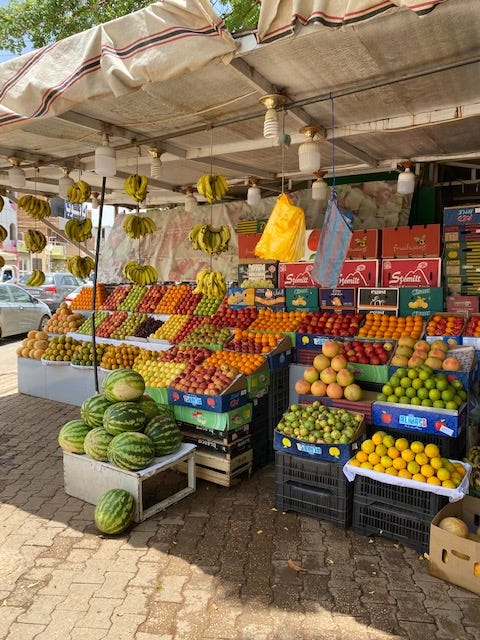
While the traditional way to shop in Canada was at the supermarket, we also had a large amount of packaging that would come from that. These days we generally cook from scratch and shop at local markets, bringing our own bags when we purchase things. Of course, this leads to less pre-packaged food and less waste in general.
We Mostly Live On a 10 Mile Diet
Because we shop at the local markets and purchase directly from the farmers, we are generally eating food that has been raised or grown in the nearby vicinity. We rarely purchase anything that may have come from another country, or certainly, from overseas.
Of course, this leads to less pollution in shipping and transit, plus it is better for the immediate economy as our money circulates locally.
We Ride Public Transit
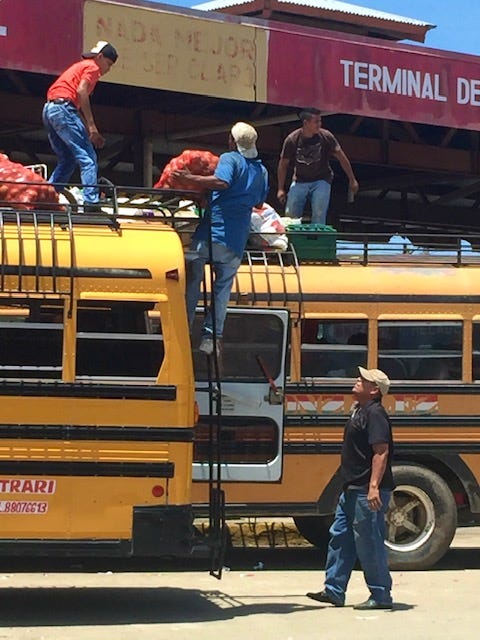
We rarely travel in a private car anymore and, in fact, much prefer to travel by bus. Since being away from the hectic hustle and bustle, traveling in cars actually causes us a bit of anxiety, and neither of us really has a desire to drive anymore at all. Because of this, we always travel in buses or trains when we are moving from point A to B (we fly if absolutely necessary.)
This is a far cry different from when we lived in Canada and had 2 vehicles that were constantly on the go.
We Rarely Have Heating or AC
Growing up in Canada, and being cold for most of our lives, we now tend to travel to warm locations of the world. This means that we don’t have the need for continued heating indoors, and most places that we travel to don’t have the luxury of air conditioning (though of course, some do.)
We are in Uganda now, and the temperatures are really just perfect. The evenings are just cool enough for a light blanket, and the daytime highs rarely exceed 32C (90F). Some banks and malls do have AC, but most shops and indoor spaces don’t, and it really isn’t needed.
We even lived in the Sahara Desert for 5 weeks with a constant temperature of 45C (113F) in the day, and 38C (100F) at night, with no AC!
Another bonus of not having to worry about being cold is that we have much less clothing than we had in the northern climate. This leads to less waste overall, (and a lighter suitcase!) since clothing and textiles are one of the biggest polluters in the world.
If we do find ourselves in a colder climate, we do purchase clothes but they are usually from thrift stores and second-hand shops.
We Often Live With Solar Power
Many places in these parts of the world rely on solar power to get their energy. The place we stayed in the Sahara Desert did, and in 2021 we lived in Uganda for 7 months at a place that was only powered by solar. I don’t think I need to explain why this is better for the environment overall.
No Fridge, Washing Machine, Freezer, Microwave
Also while in Uganda last year, we had no fridge or freezer, no washing machine, and certainly no microwave. In fact, microwaves are almost non-existent in many parts of the world. People just don’t have access to the amount of electricity that is needed to power these energy-sucking beasts.
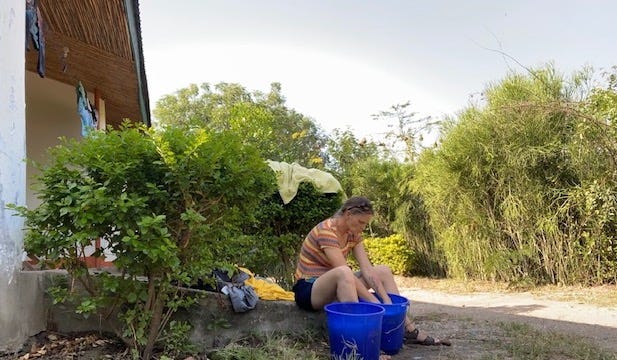
We also have not had much access to electric washing machines while traveling, and dryers are certainly the utmost luxury when you have daily sunshine and warm temperatures to dry your laundry. I have hand-washed our clothes at least 80% of the time in the last 4 years of full-time travel. Again, huge savings on energy consumption.
We Use Far Less Water Than We Used To
When you travel you start to realize just how precious of a resource water is. Instead of unlimited amounts coming out of taps, as we have in Canada, many places have to get tanks filled, or depend on rainwater to supply them with water.
This gives you a whole new perspective on this valuable resource. We have learned to take showers where we turn the tap on to get wet, turn it off to lather and shampoo, then turn it back on to rinse. We also don’t waste water by letting it run when we are doing dishes, or for any other use.
Plus we repurpose water by collecting our dishwater and then watering plants with it, as one example.
When we compare our water usage to that which we did when we lived in Canada and had unlimited amounts, it has been drastically reduced.
Air Travel
Now, I know that I said that we try not to travel by plane as much as possible, but of course, that is impossible to avoid when crossing large bodies of water, unless we sail across (which is something we are considering when we eventually leave Africa).
We dislike air travel for a few different reasons, but chief amongst them is that we do realize that it is bad for the environment. However, when we think about the number of times we have flown in the last 4 years, it is really insignificant to the amount of carbon output we had while living in our house in Canada.
There, we had a heated house for at least 8 months of the year, we drove 2 gas-guzzling vehicles, we were your typical consumers and we had ALOT more waste than we do now.
Plus, of course, there is the old argument that the plane would be going whether we were on it or not. Now I do realize that there are also many different sides to that argument, such as if the customers didn’t buy tickets, the plane wouldn’t be going in general. But I digress and we rest on our laurels on this one, believing that we have more than made up for our amount of air travel, in the way that we now live our day-to-day life.
Giving Back While We Travel
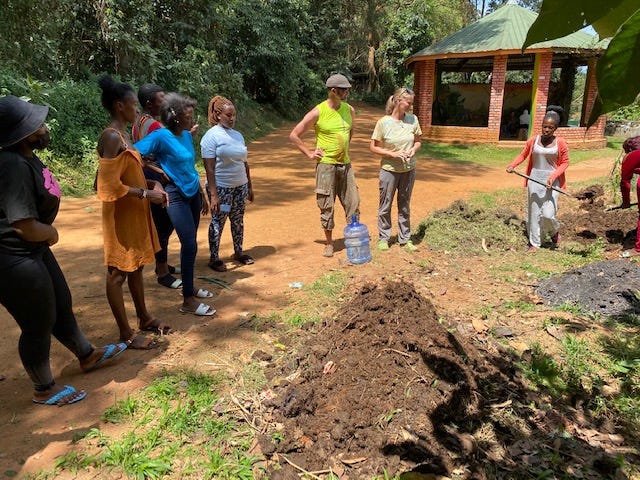
Another reason that we feel that we are doing better for the planet, is that as we travel, we are sharing our knowledge of composting, gardening, and permaculture techniques. While in Canada, we were avid gardeners and took many local courses on the above-mentioned. We now aim to share our knowledge with others and to help humanity, and the environment while doing so.
This information is especially crucial here in Africa as they haven’t had the education to know that the way they are farming is bad for the environment. Little by little, we are sharing knowledge and spreading information that will help them to help themselves, plus will help the environment moving forward.
We Now Feel Good About Our Contribution To the Planet.
In conclusion, we really do feel better about how we are contributing to the planet, as opposed to when we were living in North America. Now, this isn’t meant to guilt-trip or point fingers as we realize that everybody does live their lives differently, and we don’t judge anyone for that.
This article is more about showcasing how traveling full time is not necessarily bad for the environment, though I do realize that many who do travel full time tend to not take many of these factors into consideration, and likely haven’t reduced their carbon output at all (and some may have increased it!).
But maybe the things that I have mentioned above will help them to reconsider how they are living their lives and might give them ideas on ways that they can tread lighter on the planet as well.
We are all in this together, and the more we can all work towards making the planet better for all of us, the better off we all will be!
More from me about the climate and environment:

If you like my writing and want to read more, follow me and sign up here to get my articles by email. We would also be happy if you considered leaving me a tip by using the link to Patreon or Ko-Fi below:)
We have been nomadic since 2017! Join our journey by hitting these links:
Website | Instagram | Facebook | LinkedIn| Patreon| YouTube | Medium | Twitter | Ko-Fi | Unsplash


