
How Travel Made Me Understand and Redefine My Blackness
A few lessons on moving through the world unapologetically.
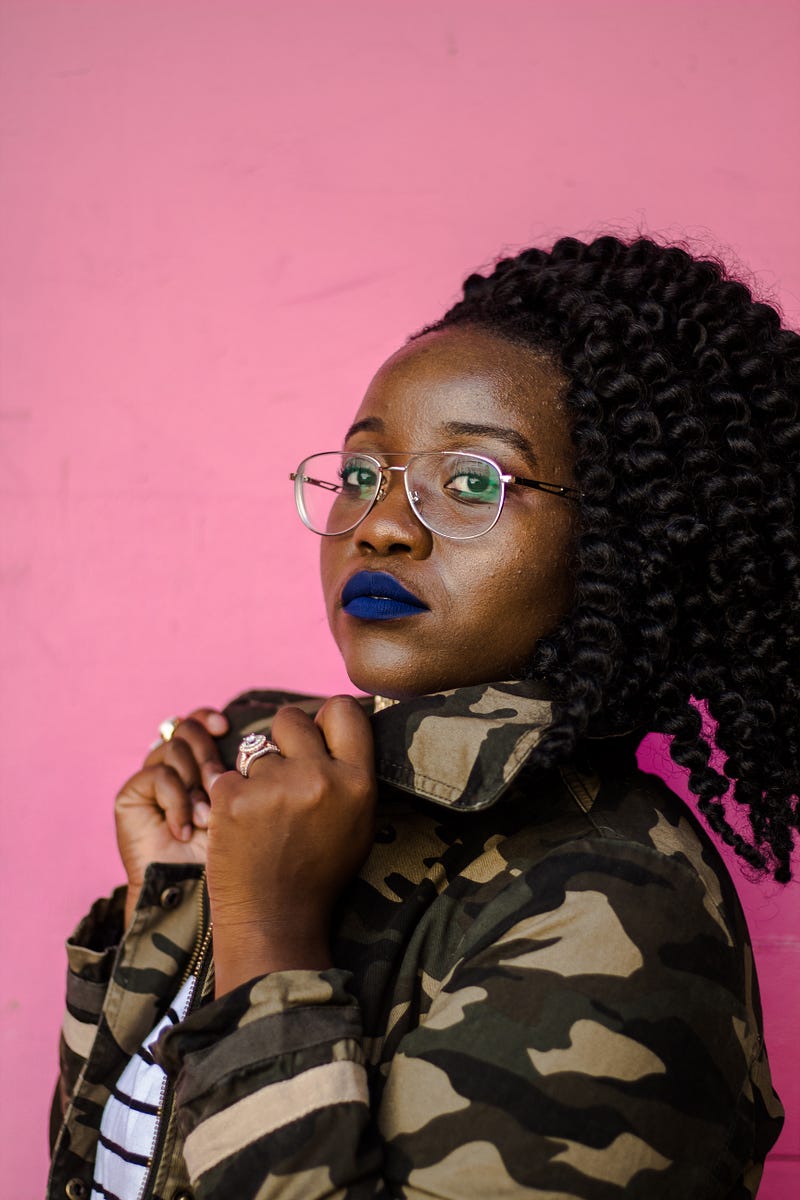
For a long time blackness has been on trial. We’ve seen it in pop culture, where black people are always portrayed in stereotypical mediums. The category of the “other” black person — someone that doesn’t fit the mold either because of the way they speak, act, the music they listen to or any combination of these things. I was always other.
Blackness is just another box one has to fit into, and unlike the definition, just being black doesn’t mean you can simply exist in your blackness. No, not if you are different. For a long time, I never understood what it meant to be black in a white world, and own that blackness; until I traveled the world. Here is the story of how travel made me understand, redefine and own my blackness.
In the Bahamas, where I grew up, the degree of Blackness was defined by certain things. Namely classism, colorism, and wealth. Depending on what side of the island you grew up on your blackness had to act following those rules. “The haves”, “they have a little bit and the have-nots.” I grew up somewhere between have a little and have not, but I went to private school my entire life because my parents wanted to afford me opportunities, so it was quite a weird space to be in. Especially when I had family members that had a lot or had a little or was somewhere in the middle like me.
My Formative Years
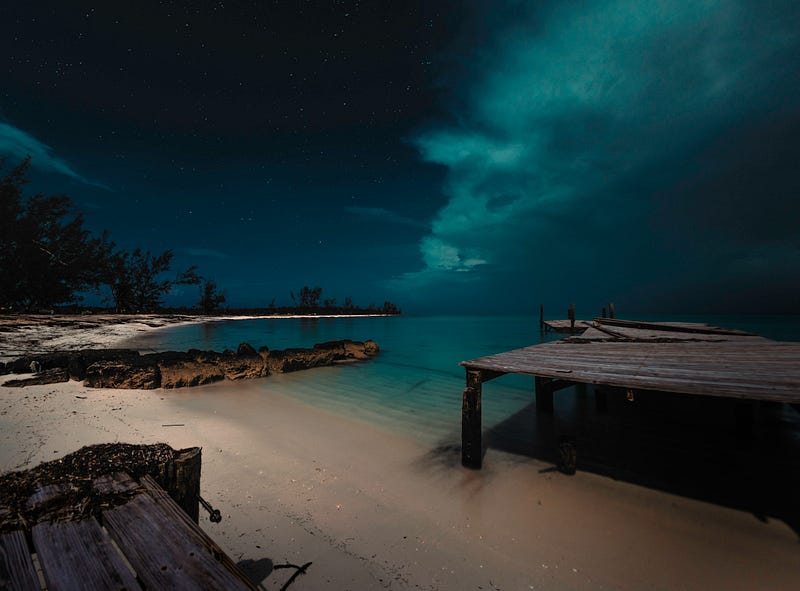
Growing up on an island with a predominately black population skewed my worldview on what it meant to be black from the opposite end of the spectrum (the non-black view of blackness). Life there growing up was challenging at times. I wasn’t adept at code-switching as yet and so it was hard for me. I was picked on a lot by my peers (outside of my schooling) and some family members on my father’s side for the way I talked, the number of books I read and even the type of clothes I wore.
I was always quite articulate as a child and hardly used dialect. As a result, my blackness was constantly challenged by those who deemed it not up to the Bahamian standard. I never paid it much attention and didn’t lose much sleep over it that would come later. For the most part, I relished in being other and standing out in a crowd of clones. But if I’m really honest, I was low key bothered whenever it was pointed out.
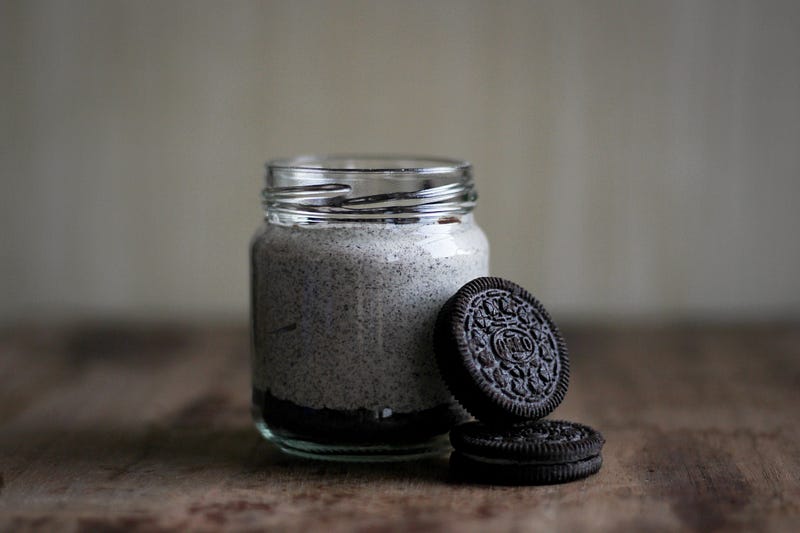
Being called an Oreo your entire life begins to mess with your mind a bit, cue mini-existential crisis. I hated that term. Or when people referred to me as a white girl trapped in a black girl’s body or said: “don’t mind her she just talks white”. I noticed that I began to distance myself from certain things that were considered “black” since clearly, I wasn’t black enough. I didn’t wear certain types of clothing, I made sure my music taste was well rounded, I was well-read, I wanted to cultivate a culture around myself that separated me from my fellow Bahamians.
As I got older, people started asking me if I was even from the Bahamas which always stung but I played it off easy enough, but it did hurt. Back to the messing with my mind bit, when people continuously tell you that you think you’re better than them, eventually you start to believe them. So in that space, I began to wear my “otherness” like a badge of honor. I wasn’t the only one in my tribe, my blackness was only on trial when I ventured out of my comfort zones.
Nonetheless, ultimately, growing up I constantly felt like I needed to escape. Luckily for me, my family liked to travel and so throughout the year, we would take various trips to the United States, mostly Florida though. I had a lot of family in Florida and my mother grew up there.
For us Bahamians, travel is for the most part relegated to Florida and the Eastern part of the United States. Though being with my family in Florida never really challenged me to own anything, and even though I was exposed to America I still wouldn’t taste how the world viewed black people until much later.
Travel and Life
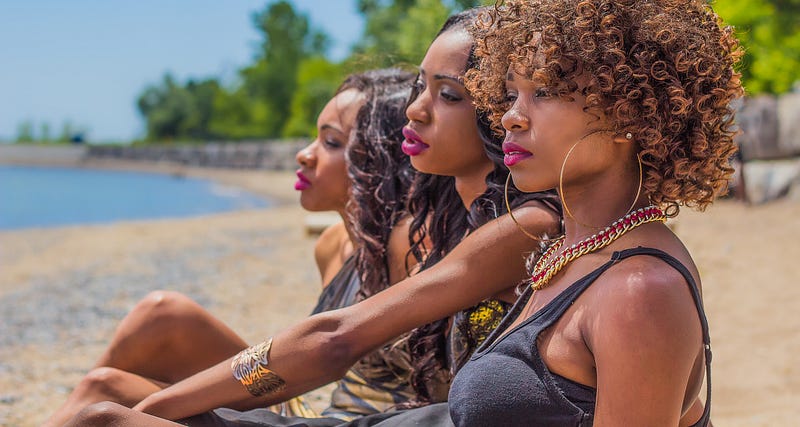
From as long as I could remember, I daydreamed often about traveling to far off places and seeing the World. As a child, I often asked my mother to send me to live with an aunt in Florida or somewhere else we had family. Her answer was always no. As I stated earlier I didn’t much care for living on an Island. My first solo trip came at the age of 17 when I went off to University in Canada. This was the first introduction I had to how the world viewed blackness.
See, I never really had to think about how other people (non-black) viewed blackness or experienced it while I lived in my own country. Even though I had many interactions with tourists, and traveled to the US often enough, I wasn’t prepared. I remember the first moment I began to have an inkling of how my blackness was viewed by other people. I was in the Dining Hall of my Residence Building, it was a Saturday morning, and I was excited because it was brunch day.
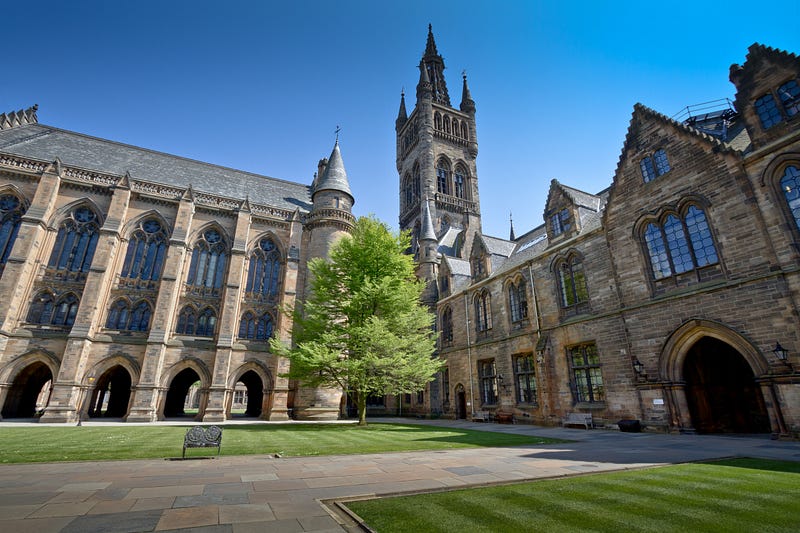
As I was standing by the Omelet station a middle-aged black lady that worked in the kitchen came up to me and asked me where I was from. After my reply, she began to lament on how different I seemed from other black people in Canada and the Caribbean by extension. She told me she’d been watching me and she could tell I was different. I had no idea how to take that because I figured perhaps if I didn’t belong to my native black tribe in the Bahamas, there must be some tribe I would fit into. Living in Canada began to define those black roles for me. I was still young though. I still had no idea what my blackness meant to me because I was too busy being told what it wasn’t to other people.
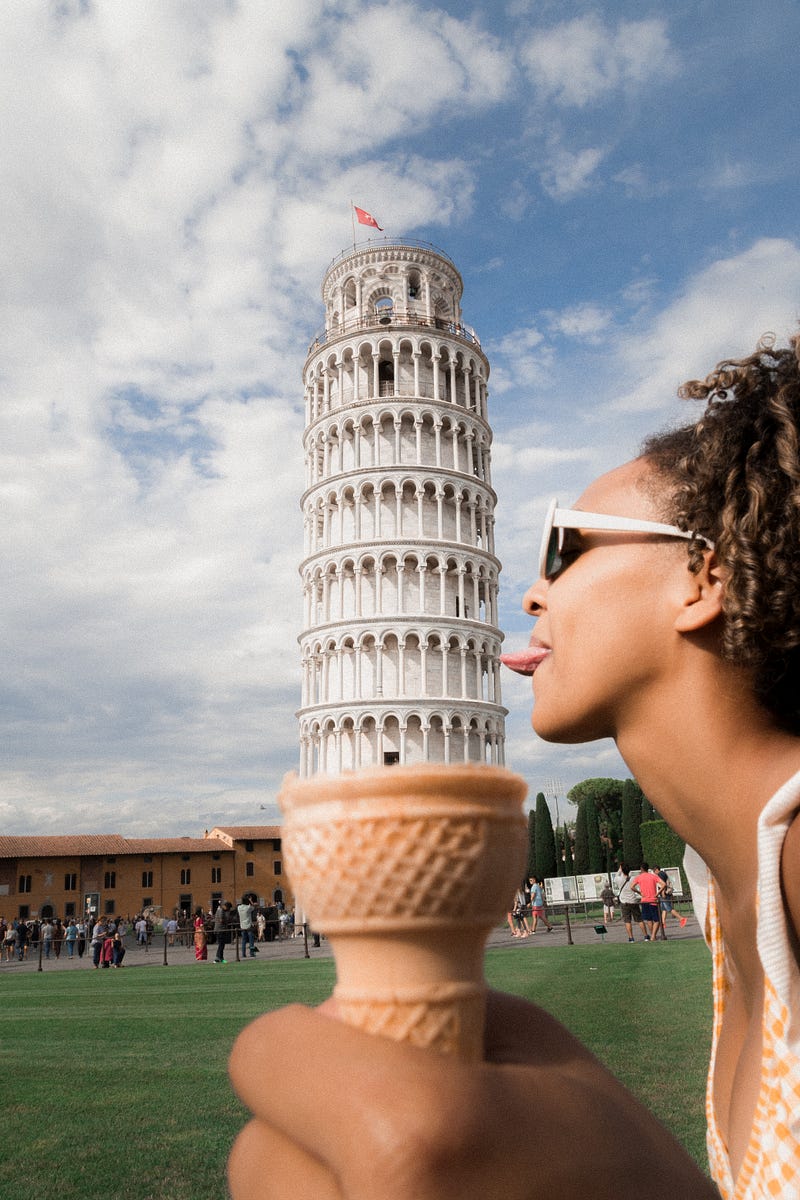
At 21 I decided to take a 30 day European Vacation one summer. It was a birthday present to myself and would be my first true taste of wanderlust. I booked a trip with Contiki Holidays and that summer I had the trip of my life. I spent the summer traveling across Western Europe with 50 other people, who were mostly from Australia that was a cultural experience within itself and was another lesson in blackness.
Again I was confronted with the issue of not fitting the black stereotype or more importantly the Caribbean Island girl stereotype — whatever that is. The Australian girls I hung out with decided that my name wasn’t black enough and I should be called “Shaquanda”, I laughed but it was annoying because I was getting micro-aggressions yet again from strangers about my lack of blackness despite my outward appearance. Here I was experiencing this from non-black people which only made the experience I had growing up more compounded in my head.
Though back then, it annoyed me, though I never really allowed myself to analyze it too deeply because I tend to avoid things. I never wanted my comfort with myself to be threatened and I figured that if I allowed how other people viewed me and how black or not black I was affect me, that carefully crafted comfort would fall apart. More importantly, though, I didn’t want to admit that I felt inadequate as a black woman.
Three years later I moved to the Republic of Georgia in Eurasia to teach English. Living and working in this former Soviet Country was a curious experience. Almost instantly I was a celebrity with the other handful of black people in my program. People gawked, pointed, took pictures and at times touched us without our permission. It was intrusive, experiencing their curiosity at our blackness.
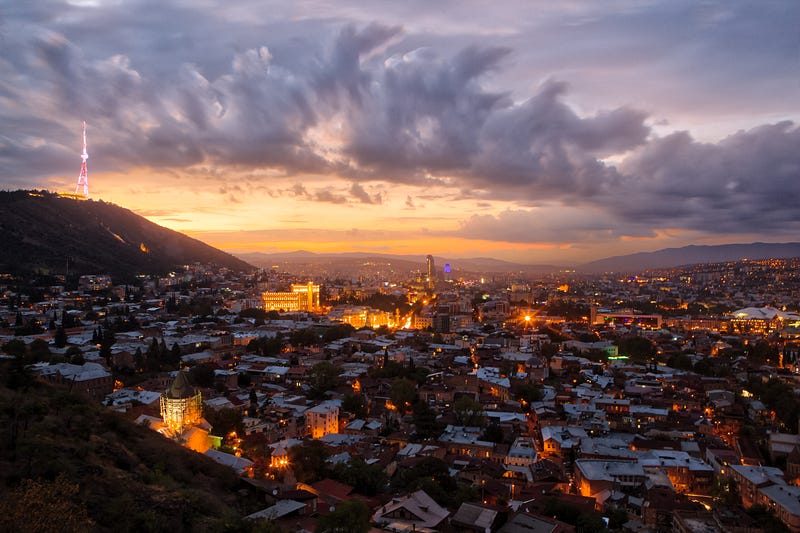
In Georgia, I was called a nigger for the first time in my life. When it happened, it wasn’t exactly malicious. In hindsight, I would say that the teenager that yelled it from the basketball court as we walked by genuinely thought it was a greeting. Though my friend Claudia, a 6 ft tall Nigerian-American goddess and I were not impressed and this situation made me examine myself a little more closely.
So many things happened to both of us because of our blackness. There were hostilities, men offering to pay to have sex with us or just ask us on the street if we wanted sex in their native tongue, all because we were black women and seen as a woman of loose morals (or so we were told). Those few months made me look at my blackness from the vantage point of the world, and add all of my other experiences too that summation.
What I’ve realized is that the world views blackness in such a negative way, yes I knew this but knowing and experiencing are two different things. Black people across the African Diaspora have many variations of what blackness is or should be and on the African continent, there are different views as well. What hurts us the most is how others experience our blackness. For me it was confusing. Confusing because it was one thing to be picked on as a child and another to experience this as an adult from non-black people.
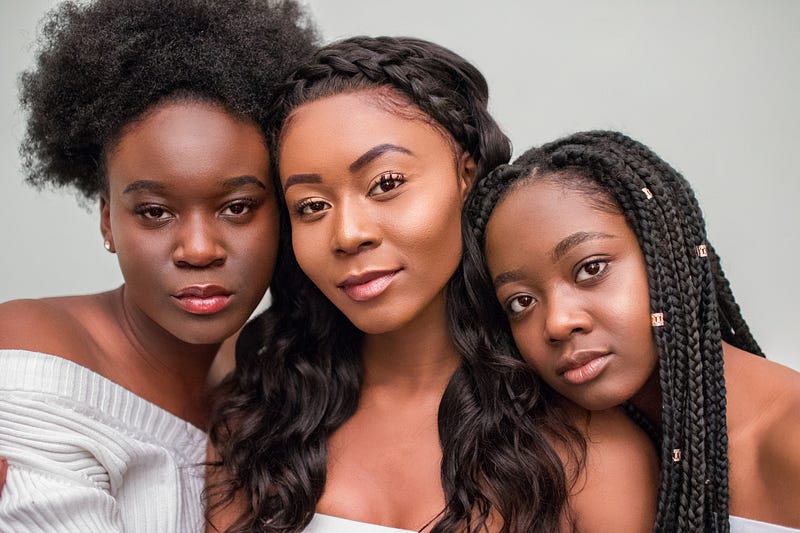
I grew up thinking my blackness was never enough for those around me. I spoke with no island accent, I used big words, read all the time and wasn’t ratchet. I defied what blackness was defined as for each individual I encountered regardless of their race and they always seemed to not know how to deal with me it first. But no matter how ‘other’ I appeared to some in terms of my behavior, I was still treated at face value. My blackness was still a hard pill to swallow even if it came in soft gel form.
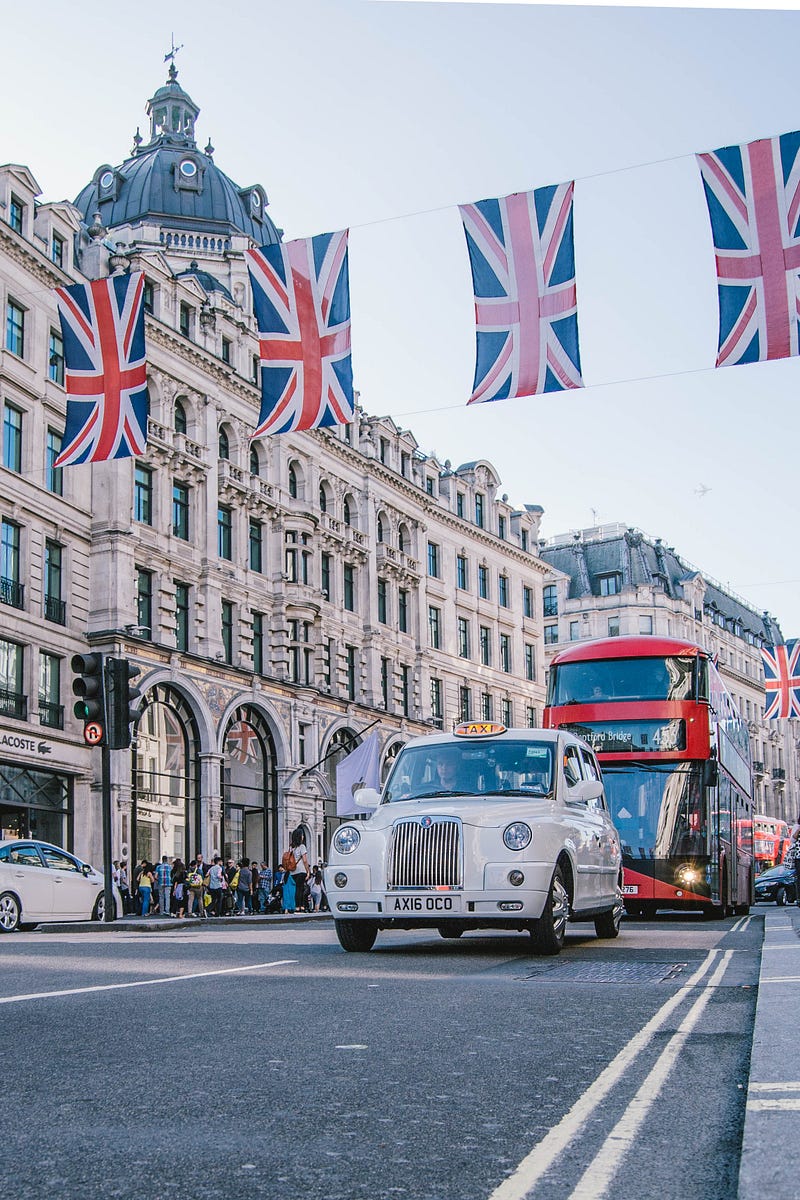
While living in England in 2011, people treated me with disdain before they heard me speak. They assumed I was African or Caribbean until I spoke and the first thing they would say is “oh you’re American” as if suddenly that made my blackness okay and more palatable until I corrected them about my country of origin. I experienced so many micro-aggressions in England daily.
In 2015, I moved to France, and I got a similar treatment in my town. Africans are treated a certain way and I always noticed that people’s demeanor would change toward me when they thought I was American or just simply other. This leads me to consider too how nationality plays into perceived ideas of blackness as well. In France, I was sexually assaulted twice by Arab men and each time it happened I felt being black was a part of it. We were told that they have disparaging views of black women and tend to treat them in kind.
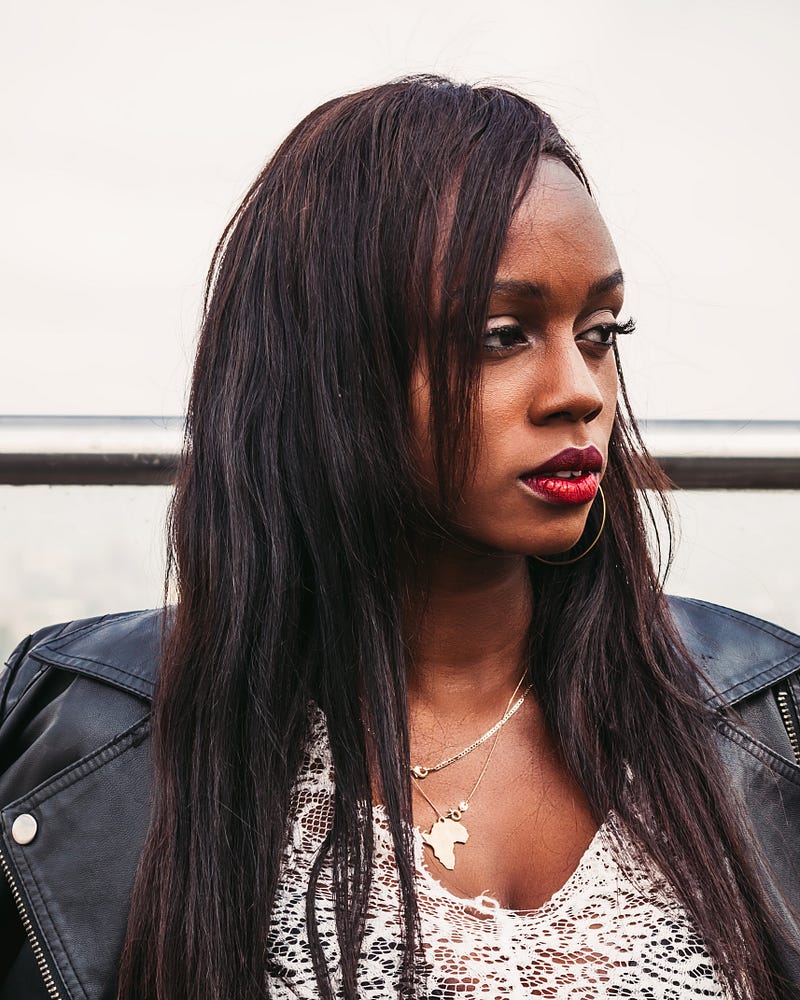
Black women are always over-sexualized and painted as being hypersexual, aggressive, autonomous to a fault and bitchy. Through the media, these images have traveled around the world and as a result, as we move through it the reaction to our blackness is not always a pleasurable experience.
As I grew older and the more I traveled. I realized that regardless of how different I was outside of what someone’s preconceived notions of me were, they still knew I was black and depending on where I was, I was treated in kind. So I began to define my blackness.
This is the skin I was born with. The skin I have lived in for the last 34 years and it will not change. Blackness isn’t just one thing nor can it be quantified. It’s not just ratchedness, aggression, a bad attitude, or hyper-sexual energy. It is more than knowing how to flavor a pot without measure seasonings, it’s more than creating a culture out of nothing, as we do, but it is what the individual in that black skin says it is.
I had to own myself. Regardless of all my negative experiences traveling while black, it is still one of the things I love above everything else. Travel has allowed me to experience myself from the vantage point of the people I have met. Yes, I am other. I am uniquely myself. And while that may be too much for someone to handle, I am unapologetic about my blackness and who I am as a woman.
I refuse to go by the label of Oreo. I own my blackness and I have redefined it to fit in with who I am as a person. Travel helped me to own myself.


