
How Trauma and Toxic Machismo Killed Love and Belonging
Some human needs are universal, but trauma and culture wars may have convinced survivors otherwise.
Too many people simply exist in survival mode. Noticing this may be one of the perils of my work, but the mental health statistics are sobering. Covid-19 added economic disruptions and uncertainty to other factors that feed directly into mental health deterioration, like housing, food, and financial insecurity.
My expertise is not in the “hard” stuff. I can’t give financial advice.
But in the area of well-being, I want to talk about how isolation, past trauma, and unsafe relationships keep some people in a perpetual survival state. Understanding this could be key to our health.
Love and Belonging as a Universal Human Need
Human beings are social animals; we evolved to interact and communicate to survive in groups.
The bio-psycho-social approach to mental health recognizes that our need for socialization is innate, crucial to childhood emotional development, and necessary for a sense of well-being.
The need for other people is literally in our nervous systems.
But trauma and cultural distractions have convinced too many of us that we do not need other people.
If you didn’t grow up with parents with great social skills, learning that people physically need other people might have been a challenge. Even introverts need people — maybe in fewer interactions, but (and I’m going to keep hammering this) positive human interactions are still necessary for having a sense of love and belonging.
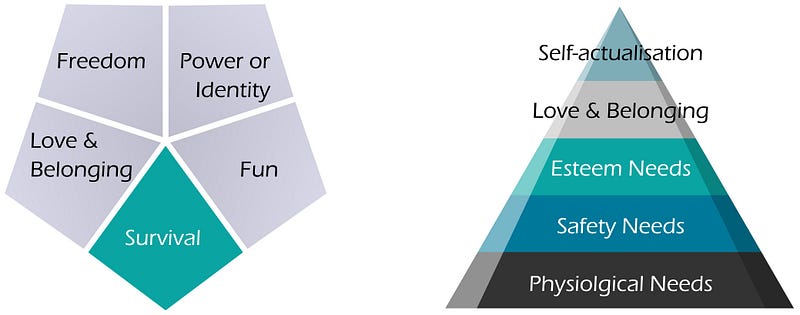
Social and emotional safety are required for engaging our bodies’ parasympathetic system (PSNS) — the relaxed mode in which our bodies do their best healing and recovery from everyday stresses. Engaging this system doesn’t come on its own —children and babies learn to relax through coregulation with their caregivers.
Childhood emotional neglect — which is to say, growing up while lacking positive and affirming social interactions — can set an individual up for negative long-term effects such as educational difficulties, low self-esteem, depression, and trouble forming and maintaining relationships.
Studies keep confirming the direct relationship between chronic illness and Adverse Childhood Experiences (including neglect and trauma).
The normalization of neglect in one’s childhood leads easily to the habit of self-abuse and self-neglect in adulthood. Tools and habits for self-care, self-regulation, and the cultivating of healthy relationships were likely missing, and these all have knock-on effects on long-term physical health.
Depression, substance abuse, heart disease, immune system disorders, fibromyalgia, and Complex PTSD are just a few of the possible legacies of a neglected and/or traumatic childhood.
Settling for Unhealthy and Unsafe Relationships
If you only had awful relationships around you for your formative years, you likely learned to form insecure attachments or to deny your own social and emotional needs.
Humans being adaptive and survival-focused, the maladaptive coping behaviors we develop can be varied, unique, and ingenious. In many ways the work of individual therapy is the sensemaking of the stupidly brilliant ways we each found to adapt and meet our needs, or not at all.
If we only had unhealthy relationships around us, we adapted. And we might not have learned that more healthy ways of relating were possible. (I’ve explored this in other stories here at Medium, see below.)
We’re human. We make do. And there are certain big patterns and trends that are observable in the way we meet our needs for love and belonging.
1. Enmeshed Families
All of us begin our lives wholly dependent on another person — biologically and developmentally. We all needed at least one parent, whether they were mentally and emotionally (and physically) healthy or not. If we were lucky, we got good enough parents who supported our holistic development and eventual autonomy.
If we were not, we might have come into a situation where we as children served the needs of the adults, instead of the other way around. This is the enmeshed family, where children are burdened with:
- the responsibility of anticipating and meeting their parents’ emotional, physical, and even financial needs before maturity or consent
- role confusion (children becoming their parents’ therapist, friend, or confidant)
- prioritizing their parents’ needs before their own
- experiencing emotional and other forms of neglect
- not learning of their own needs, boundaries, interests, and individuality.
All this fosters an insecure and often false sense of love and belonging, often creating adult children ignorant of their own needs and boundaries. They may keep on unconsciously seeking love and belonging, wondering why they do it when they already have a “loving” family.
They may or may not learn how to have healthy relationships of their own without coercion or/and manipulation, which was normalized in their own family experience.
2. Tolerating the Intolerable: Abusive Relationships
Leaving one’s family of origin is no cakewalk, no matter if we’re doing it on mutual and positive terms, or going through estrangement. And sometimes loneliness and the desperation to leave a toxic or unsustainable situation can lead us straight into other unsafe relationships.
Some people may enter or tolerate one-sided or unhealthy relationships just to have any relationship and human connection. This is codependency.
Worse than tolerating a merely unsatisfying relationship is tolerating an abusive one. If we wonder why a person may stay in a destructive relationship, viewing them compassionately through a lens of their needs and past experiences will probably answer most of that question. (Not having financial or logistical means to leave may answer the rest.)
3. The Commodifying of Love and Belonging
Let’s say we’re safe enough. We’re not in any unhealthy or unsafe relationships. We just want more of a sense of community and contributing to a common good, or to work and chill alongside people with shared values.
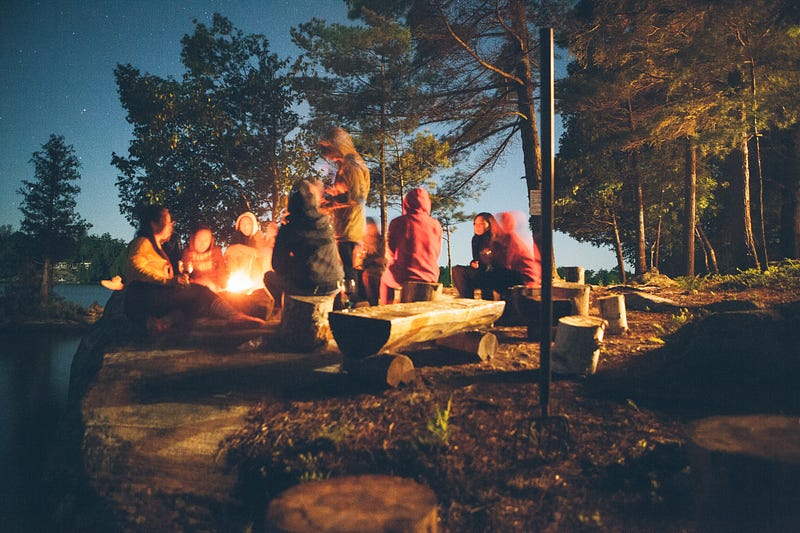
This sense of community came more easily in the past with large extended families and religious social events— both of which are on the wane in modern urban life. Even if we are lucky enough to form or have healthy close bonds with friends and family, we may still seek group or community belonging.
Enter modern membership clubs in the form of parasocial relationships, fandoms, MLM companies promising both income and community, coworking facilities and subscriptions (ie. WeWork and copies) offering access to shared spaces, and all manner of influencers and fitness/dating/masculinity/spiritual/goddess coaches hawking access to their courses and online groups for a fee.
The appeal of these spaces is in the promise they provide belonging and community. Nothing wrong in that, but it bears thinking about how we get toxic communities (free or paid) that may draw in members and drum up unfounded conspiracies; advocate for scapegoating and violent or abusive behavior, push fraudulent claims or beliefs, and even get kinda culty.
The need to be in a group can be so compelling that some members can turn a blind eye when the groups become abusive or hateful.
Or We Settle for No Relationships
4. Dismissive Avoidance, Incels, and MGTOW
Humans so want to be connected, we’ll form groups and connections that decry the need for connection.
Red Pill groups, Men Going Their Own Way (MGTOW) and incel communities are a fascinating and frightening look at how people — mainly men — try to meet a need for meaningful connection which they simultaneously feel ashamed to have. Or they feel ashamed when they are unable to fulfill it.
And therefore they’ll deny that need exists. Eschewing a heterosexual relationship between equals, they espouse either controlling women or foregoing them altogether.
Because “emotional needs and vulnerability bad”.
(My take on growing up female around misogyny, machismo, and toxic masculinity are covered in my “Pick Me” story below.)
Even though love and belonging are a universal need, machismo and patriarchy (fighting words, I know) have made our social and emotional needs too touchy-feely or “only for women”, stigmatizing the topic and making it harder to discuss without shame.
If only from a mental health and psychology standpoint, we need to understand and recognize that emotional and social needs are for everybody. And that these needs can be met without tolerating abuse and unhealthy behaviors, including the devaluing and dehumanizing of non-members of our chosen groups.
We can meet Love and Belonging Needs in Healthy Ways
Humans are brilliant. We do find ways of meeting our needs imperfectly — or convincing ourselves out of them. But we’ll do better by learning, without shame, what we need and how to help one another as a continuing process.
For some of us, this may take a recognition of how we may have been hurt in the past, and might have picked up attitudes that still hurt us now. We do not have to keep maladaptive coping habits; When we know better, we can do better.
With any hope, putting our need for love and belonging front and center may just help us make our social interactions and shared spaces kinder, more deliberate, and more inclusive.
Because none of us can do this alone.