avatarBorja Cembrero Saralegui

Free AI web copilot to create summaries, insights and extended knowledge, download it at here

1469

Abstract

hows to encourage deeper engagement with the content​​.</li></ul><h1 id="6b97">Bill Gates: Embracing Digital Tools</h1><p id="5988">Bill Gates, the tech visionary, leveraged the power of technology in meetings:</p><ul><li><b>Tech-Driven Meetings</b>: Under Gates, Microsoft extensively used digital tools and video conferencing, especially for teams across different geographical zones​​.</li><li><b>The ‘Four Buckets’ Time Management</b>: Gates categorized his work hours into four buckets, ensuring that his meeting times align with his priorities​​.</li></ul><h1 id="dc17">Elon Musk: The Efficiency Expert</h1><p id="f61a">Elon Musk’s meeting philosophy at Tesla and SpaceX is simple but impactful:</p><ul><li><b>No Large Meetings</b>: Musk believes that if you’re not contributing, you shouldn’t be in the meeting​​. Actually, he is famous for leaving several meetings and expects from top management to do so everytime they feel non-productive.</li><li><b>Meeting Only for Urgent Issues</b>: Non-urgent matters are dealt with in quick check-ins, not lengthy meetings​​.</li><li><b>No weekly & fixed meetings</b>: you will find close-to-zero weekly repetitive meetings in his agenda. Who casn say that nowadays?</li></ul><h1 id="3540">Steve Jobs: Focused and Concise</h1><p id="4902">Apple’s Steve Jobs was known for his unique approach:</p><ul><li><b>Small Groups</b>: Jobs preferred meetings with three to five people to ensure productivity and focus​​.</li><

Options

li><b>Short Agendas and Meetings</b>: He kept agendas to no more than three items and meetings under 30 minutes​​.</li></ul><h1 id="3193">Lessons for Today’s Leaders</h1><figure id="a79a"><img src="https://cdn-images-1.readmedium.com/v2/resize:fit:800/0*aEQS6JMfpwpf3Ol4"><figcaption>Photo by <a href="https://unsplash.com/@chaseelliottclark?utm_source=medium&amp;utm_medium=referral">Chase Clark</a> on <a href="https://unsplash.com?utm_source=medium&amp;utm_medium=referral">Unsplash</a></figcaption></figure><p id="ee9d">These strategies from Bezos, Gates, Musk, and Jobs provide valuable lessons:</p><ol><li><b>Keep It Small and Focused</b>: Large meetings can dilute effectiveness. Aim for smaller, more focused gatherings.</li><li><b>Preparation is Key</b>: Whether it’s reading memos in silence or using digital tools, preparation helps in making meetings more productive.</li><li><b>Prioritize</b>: Not every issue deserves a meeting. Be selective and prioritize urgent matters.</li><li><b>Time Management</b>: Respect people’s time. Shorter, well-structured meetings can be more effective than lengthy discussions.</li></ol><p id="2599">Adopting these approaches can significantly change how we view and conduct meetings, turning them from time-consuming necessities into catalysts for innovation and decision-making. Let’s take a leaf out of these leaders’ books and rethink our meeting culture for a more productive and efficient future.</p></article></body>

How Top Leaders Like Bezos, Gates, Musk, and Jobs Revolutionized Team Meetings

In the world of business, meetings are a necessary evil, often seen as tedious and unproductive.
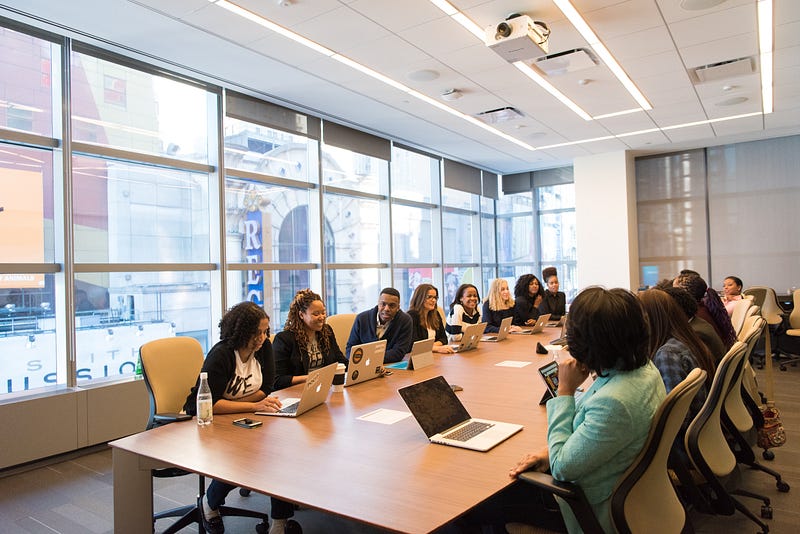
Photo by Christina @ wocintechchat.com on Unsplash

However, some of the world’s most successful CEOs — Jeff Bezos, Bill Gates, Elon Musk, and Steve Jobs — have turned this notion on its head, transforming meetings into powerful tools for efficiency and innovation. Here’s how these visionary leaders have redefined the art of the meeting.

Jeff Bezos: The Master of Efficiency

At Amazon, Jeff Bezos introduced a few key principles:

  • The Two-Pizza Rule: If two pizzas can’t feed the entire group, the meeting is too large. This rule keeps meetings small and manageable​​.
  • Silent Start: Amazon meetings often begin with silence, where everyone reads pre-prepared memos. This ensures everyone is on the same page and thinking critically before any discussion begins​​.
  • Narrative Over PowerPoint: At Amazon, narrative memos are preferred over slideshows to encourage deeper engagement with the content​​.

Bill Gates: Embracing Digital Tools

Bill Gates, the tech visionary, leveraged the power of technology in meetings:

  • Tech-Driven Meetings: Under Gates, Microsoft extensively used digital tools and video conferencing, especially for teams across different geographical zones​​.
  • The ‘Four Buckets’ Time Management: Gates categorized his work hours into four buckets, ensuring that his meeting times align with his priorities​​.

Elon Musk: The Efficiency Expert

Elon Musk’s meeting philosophy at Tesla and SpaceX is simple but impactful:

  • No Large Meetings: Musk believes that if you’re not contributing, you shouldn’t be in the meeting​​. Actually, he is famous for leaving several meetings and expects from top management to do so everytime they feel non-productive.
  • Meeting Only for Urgent Issues: Non-urgent matters are dealt with in quick check-ins, not lengthy meetings​​.
  • No weekly & fixed meetings: you will find close-to-zero weekly repetitive meetings in his agenda. Who casn say that nowadays?

Steve Jobs: Focused and Concise

Apple’s Steve Jobs was known for his unique approach:

  • Small Groups: Jobs preferred meetings with three to five people to ensure productivity and focus​​.
  • Short Agendas and Meetings: He kept agendas to no more than three items and meetings under 30 minutes​​.

Lessons for Today’s Leaders

Photo by Chase Clark on Unsplash

These strategies from Bezos, Gates, Musk, and Jobs provide valuable lessons:

  1. Keep It Small and Focused: Large meetings can dilute effectiveness. Aim for smaller, more focused gatherings.
  2. Preparation is Key: Whether it’s reading memos in silence or using digital tools, preparation helps in making meetings more productive.
  3. Prioritize: Not every issue deserves a meeting. Be selective and prioritize urgent matters.
  4. Time Management: Respect people’s time. Shorter, well-structured meetings can be more effective than lengthy discussions.

Adopting these approaches can significantly change how we view and conduct meetings, turning them from time-consuming necessities into catalysts for innovation and decision-making. Let’s take a leaf out of these leaders’ books and rethink our meeting culture for a more productive and efficient future.

Meetings
Management
Time Management
Startup
Self Improvement
Recommended from ReadMedium