
Headline Hacks
How To Write Genuine, Enticing Headlines Without Clickbaiting
88 examples and a 10-step-process that will delight both readers and Google
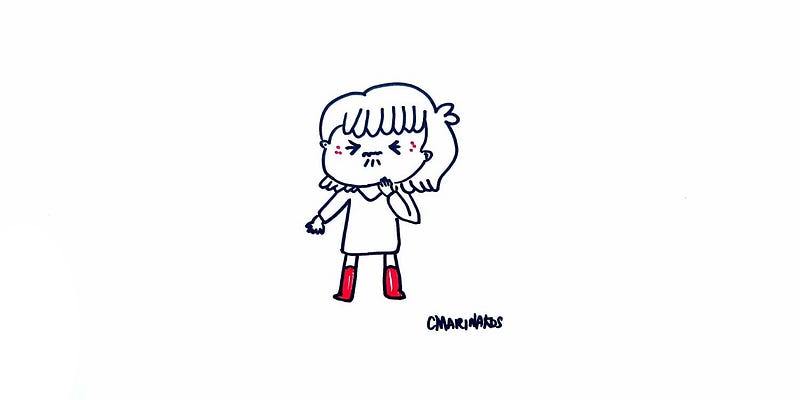
My friend Maria recently got a remedial massage. It started off with her visit to a Ju-Jitsu club. The owner saw her in action on the mat and quickly picked up a problem in her hips. Her left side wasn’t moving well.
Later, he informed her that he did remedial massage treatments and may be able to help her. She was impressed that he picked up her problem and booked in immediately. He obviously had great knowledge of the body and would give her a targeted treatment.
I picked her up afterward, excited to hear about the massage. “Was it good?” I asked, eagerly looking forward to her report.
“Nah,” she said, disappointed.
“Darnit!”
Clickbait headlines are like this dude. They’re deceptively appealing from first impressions — yet they fail to follow through.
In this article we take a deeper look at clickbait:
- What is clickbait?
- The role of headlines
- Why people get online
- What clickbait headlines look like
Definition of Clickbait
Clickbait is a term used for headlines that are sensationalized or misleading to entice people to follow a link and read, view, or listen to online content. It’s a headline that offers a teaser to exploit the curiosity gap by leaving out information — but doesn’t give enough specific information to let the reader know what they can expect.
The term generally has a negative connotation, although some writers use the word neutrally as simply a way of writing alluring headlines.
The “-bait” part of the term is used in analogy to fishing, where a hook is disguised by an enticement (bait), presenting the impression to the fish that it is a desirable thing to swallow.
There have been concerns about clickbait in journalism. For instance, Wales main media group set website “click” targets for reporters, which raised a few concerns, as outlined in a BBC article “Clickbait: The changing face of online journalism:”
“At its worst, this could encourage reporters to sensationalise stories, to trivialise the news and make news out of trivia, and to give up on more challenging, public interest journalism that takes time to research and deliver.”
“A story about someone spotting a Kim Kardashian look-alike in Gorseinon could well get more clicks than an article about underinvestment in Wrexham’s mental health services, but without more stories like the latter there will be fewer opportunities to drive forward improvements to public services”
There were fears that headlines would become a “race for website clicks.”
Headlines Must Still Entice — But Without Clickbait
There’s no doubt that headlines must do their job — get people to click. Writing without a great headline is like presenting the most impressive speech to a stadium full of empty seats.
If everyone thinks the headline is damn boring, why would they show up?
Headlines must be enticing. They must understand what people want online.
Why We Get Online
Think about what you want when you get onto Google. You type in a keyword or most likely a phrase — and you quickly want the answers, preferably on the first page so you don’t have to waste time trawling through pages of content.
Perhaps you’re looking for the address of a new hairdresser. Maybe you want more information about a product or service before you buy, such as “email campaign software” or “Nike free run.” Or, you want to use a specific website such as “YouTube” or “Facebook.”
Well, Google wants to make sure you get the content you want on that first page. SEO (search engine optimization) is Google’s way of giving you good quality content.
So when you write headlines, it helps to include the keywords users may be looking for.
Any headline needs to entice readers to click. The problem with clickbait is it entices readers with over-the-top, vague, or misleading headlines where content doesn’t deliver. And that’s a problem because the worst thing we can do is waste our readers’ time from not meeting their expectations. But most importantly, we trample on their trust — and we may never get it back.
What Clickbait Headlines Look Like
Research into the most popular headline formats by average Facebook engagement tells us the top phrases included:
“Will make you” “This is why” “Can we guess” “Only X in” “Is what happens” “X things only” “What happened next”
Such popular phrases are a great way to find clickbait headline examples. Analyze them and understand how to avoid them. At the same time, we can learn how to use typical clickbait phrases and words to entice in our own headlines — without sounding clickbaity.
It was sometimes difficult to differentiate between the two. As I kept going, I noted the recurring characteristics of clickbait vs non-clickbait headlines — we’ll look at those lists after you see these phrases in action.
Clearly Clickbait
A few of the phrases were clearly clickbait and I couldn’t find any non-clickbait headlines.
“Can we guess”
Clickbait headlines
- Can you guess the celeb mum?
- Can you guess how old this woman is?
- Can you guess the celebrity dad in these photos?
- Can you guess who the mother in this picture is?
- Can you guess the Christmas songs based on these 16 pictures?
- Guess the famous model?
This is a playful, entertaining clickbait phrase that arouses curiosity and insinuates we may be shocked and surprised.
“X things only”
- 10 things only people with dogs know
- 9 hilarious things only sleep-deprived mums will understand
- Ten things only women with curly hair will understand
- Things only 1% of people can do
- 20 Things Only People Who Fly First Class Can Tell Us About These Airlines
- 9 things only a cycling couple will understand
- Pac-Man: 10 Things Only Old-School Fans Will Appreciate
- Things only adults notice in Power Rangers
These are entertaining, opinion-based headlines. They’re often vague and about random topics.
Examples of the Same Phrases in Clickbait and Non-Clickbait Headlines
“Only X in”
Clickbait headlines
- We’re the only two kids in school!
- The only two nappy bags you’ll need in your life
- ONLY IN WOMAN’S DAY: How we escaped murderous Ivan Milat
- Sorry world! McDonald’s new Big Brekkie Burger is only available in Australia
- “We’re the world’s only psychic twins”
These headlines are sensationalist and often use first-person quotes. They talk about people and products and leverage off feelings of shock, surprise, and curiosity. They use exclusivity to draw us in.
Non-clickbait headlines
- Meet the only female jockey in this year’s Melbourne Cup race
- Only 5% of People Wash Their Hands Properly
- Just 3% of rape claims led to a conviction last year
- Only 3 States Expect Teachers to Learn About Institutional Bias. That’s a Big Problem
- Only 10% of science publications in Arabic: Study
- The rare genetic disorder identified in only 3 people worldwide
Give us numbers from research, which shows credibility. The numbers attached to the specific findings arouse curiosity. It’s also been found numbers typed out as numerals stop a reader’s eye from wandering.
“Is what happens”
This phrase is a “what” headline — people naturally want to know what happens next.
Clickbait
- What happens when Prince Philip dies?
- What REALLY happens on a ‘business trip’
- What happens when you fall for a widower
- This is what happens to spoiled kids when they grow up
These are clickbait because they seem to be based on opinion and the type of topics girlfriends may discuss over a coffee.
Non-clickbait
- Dry July 2017: what is it and what happens when you give up alcohol
- What happens when a child has dementia
- What Happens When a Kid Is Charged With a Felony Murder?
Sounds like the content would be based on facts.
“What happened”
Clickbait headlines
- What happened to my sex drive?
- What on earth happened to Hugh Jackman?
- What really happened the night Princess Diana was killed
Opinion based. Sensationalist. Hype. Reveals.
Non-clickbait headlines
- The election fallout: what happens next?
- A dawn raid by the FBI on a company: what happened next
- I quit alcohol for 50 days and this is what happened
Based on facts.
“Will make you”
Clickbait
- WATCH: The TV event that will make you sick
- These hilarious wedding photos will make you laugh out loud
- This awkward House Rules editing fail will make you cringe
- Posh and Becks’ lush mansion in Sydney will make you drool
- 10 TV shows about rich people that will make you jealous
I found many clickbait headlines about entertainment — for instance, celebrities and TV shows. The tone used is overly casual — “make you drool,” “make you jealous,” “laugh out loud.” It’s as if you were talking to a friend or reading a “trash mag.”
Non-clickbait
- 5 Life Lessons That Will Make You a Better Leader
- 12 Synonyms That Will Make You a Better Writer
- These five gamified apps will make learning fun for you
- Revolting results of kids’ germ test experiment will make you wash your hands
- Study: Searching for meaning in your life can stress you out and make you unhappy
- Activewear that will make you fitter, faster, stronger
These tell us specifically what content is about and how it will help you fulfill a desire: to be a better leader or writer, have fun learning, avoid getting germs, or become happier, faster, fitter, stronger.
How to Use Typical Clickbait Words to Create Non-Clickbait Headlines
Many clickbait headlines use words like “unbelievable,” “instantly,” or “shocking” to get the interest of the reader. Using these words promises to show the reader content that will stun them.
However, it’s possible to use the power of these words in headlines without sounding clickbaity.
“Unbelievable”
Clickbait headlines
- One man’s unbelievable anniversary gift to his wife
- Nick Jonas speaks about his “unbelievable connection” with Kate Hudson
- 8 Unbelievable Photos Every “Dancing with the Stars” Fan Needs to See of Nastia Liukin
- Unbelievable! This Student Was Told Waiting Patiently For His College Advisor Was “Harassing”
- 20 Unbelievably Magical Rainbow Foods You Never Knew Existed
Sensationalist headlines. Strong emotion. Opinion-based.
Non-clickbait headlines
- The unbelievable speed of electron emission from an atom
- This Worm Has Three Sexes And An Unbelievable Arsenic Resistance!
- Unbelievable NASA photo shows Earth rising above the moon
- ‘Unbelievable’: Sydney’s south-west prepares for the worst as fire moves east
Still sensational yet hold credibility because they’re specific with fact and research.
“Instantly”
Clickbait headlines
- Send Instantly The Perfect Gift
- 3 Easy Tips To Jump Higher Instantly
- Learn To Play Piano Instantly: #1 Beginning Training
- 10 Ways To INSTANTLY Look SKINNY (but in a GOOD way)
- 9 product swaps that will make your hair instantly healthier this winter
- 10 ways to instantly update your work wardrobe
- 19 Things Boys Do That Make Them Instantly Unattractive, No Matter How Hot They Are
Non-clickbait headlines
- Student Sinks Amazing Shot, Instantly Wins Entire Class A+ On Organic Chemistry Quiz
- Airborne chemicals instantly identified using new technology …
- New glue instantly hardens with electric current
- Four Small, Non-Verbal Things That Will Get You Judged Instantly
- How to Instantly Create Intimacy With Any Person You Meet
“Greatest”
Clickbait headlines
- The latest and greatest in treadmills
- The end of the world’s greatest murder mystery?
- The 20 greatest cult TV endings of all time
- Australia’s greatest military hero built his success on engineering foundations
- The greatest opportunity for financial advisers
- The Dallas Mavericks are the greatest team in history. The Dallas Mavericks suck
Non-clickbait headlines
- World’s greatest concentration of unique mammal species is on Philippine Island
- A father’s love is one of the greatest influences on personality development
- My father paid four times his weekly wage for the greatest gift of my life
- Study: People living in more deprived areas have greatest risk of hospitalization
“Shocked”
Clickbait headlines
- Hugh “shocked” by New York fan
- Kerri-Anne’s miracle: The news that shocked doctors
- House Rules’ Aaron left SHOCKED over “terrible” feedback
- Scott Miller shocked and planning another tell-all interview
Non-clickbait headlines
- ‘Shell-shocked’ crabs can feel pain
- Injured muscles ‘shocked’ back to health
- Too Much Fructose Could Leave Dieters Sugar Shocked
- My dad said something that shocked me about today’s society
Sometimes Clickbait Is a Fine Line
It can be a blurry line between what’s clickbait and what’s not. You may not agree with some of the headlines I’ve categorized as clickbait or non-clickbait. That’s ok. It’s not a science, it’s subjective.
The point of the exercise is to find consistent themes that help us identify the characteristics of clickbait and non-clickbait headlines. Here’s what I’ve come up with from reviewing those 88 headlines:
Characteristics of clickbait headlines
- Based on hype
- Overpromises — content underdelivers
- Exaggerates
- Sounds like headlines from a “trash mag” (gossip and celebrity news)
- Teases but doesn’t say enough to manage reader expectations
- Uses power words to sensationalise
- Deceptive
Characteristics of enticing non-clickbait headlines
- Answers questions
- Uses curiosity with specificity, tells what to expect
- Transparent, not deceptive
- Aren’t manipulative
- Uses curiosity, surprise, emotions — without exaggeration
- Focuses on reader benefits
- Appeals to emotion using power words in a natural, subtle way
- Don’t falsely advertise
- Based on fact, research
We’ve seen examples. We know what makes a headline clickbait — and what makes a headline enticing without clickbait. Let’s put it all together so you go away knowing how to write a good, non-clickbait headline.
10-Step Process to Write Enticing Headlines That Won’t Be Mistaken for Clickbait
Clickbait headlines use any combination of exaggeration, deception, gossip, or triviality to gain clicks. You don’t need to rely on clickbait to write catchy headlines that rank for readers — and SEO.
If you focus on your reader and ensure your content delivers on your headline’s promise, you can avoid clickbait. Good headlines deliver rather than disappoint.
- Identify your content’s main message: Why did you write this piece?
- Focus on your reader: How will this content help them?
- Consider SEO: Use Google Ads’ free Keyword Planning Tool, and Google search “People who are looking for this.”
- Write title: Brainstorm and pass through CoSchedule Analyzer to help you. Consider how you can capture readers with positivity through uplifting headlines and acknowledge their main desires.
- Create subtitle: Give your reader extra detail about your content. Write a subtitle that makes your headline shine.
- Make sure your headline, subtitle, and content work together: Accurate, fulfils expectations, provides useful information.
- Run your headline against the Characteristics of Clickbait Headlines and Non-Clickbait Headlines: Does your headline feel genuine and tell your reader enough?
- Test: On Twitter, mailing list, an editor, a friend.
- Review and analyze: What sort of reaction are you getting? Check stats.
- Tweak: Based on your review and analysis, you may like to improve the headline, renew the content, and publish a new article with the same main message.
Summary
To catch a reader’s attention, you’ve got to create a magnetizing headline — but not at the expense of your brand and your reputation. That’s why it’s important to avoid clickbait headlines.
People get online with different intentions: to find information, to make purchases, to get somewhere, to find specific websites. They want to do all of this as quickly as possible.
That’s why it’s so important to write headlines that make it easy for them to find and do what they want — and follow through with exceptional content. That’s the simple formula for happy readers. And great SEO rankings.
Thankfully, there are many ways to write headlines in a genuine, credible, helpful way that entices readers without clickbait.
You’ve now seen many examples, and you’ve got a list of what makes a clickbait headline — and what makes an enticing non-clickbait headline. You’ve also got a 10-step process to write headlines without clickbait.
Give it a go for your next article.


