Life Imitates Art
How to Write ‘Fade Out’ on a Pandemic
In the late 2000s, my wife and I wrote a TV miniseries about an apocalyptic disease outbreak, and then years later watched it happen in real life with the coronavirus.
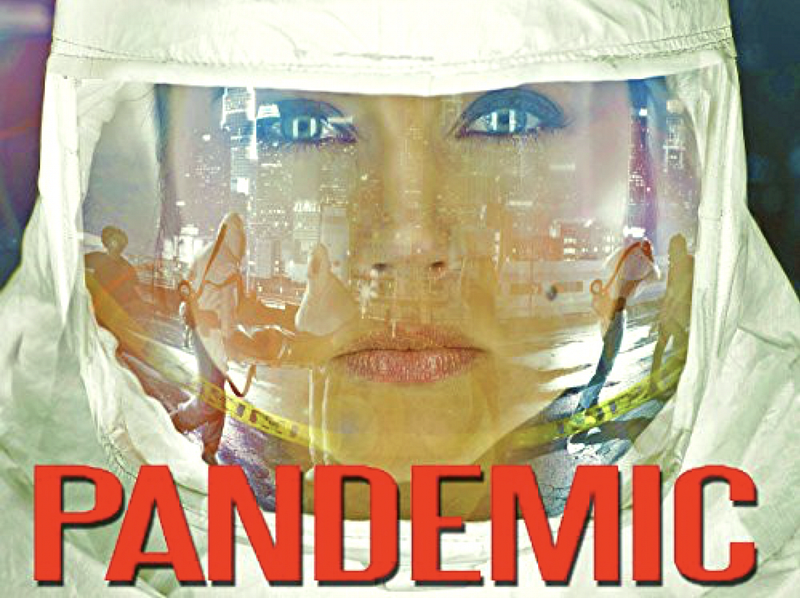
As the world moves forward with vaccine distribution, here in the U.S. the last administration’s denial of the problem has left distribution and production issues being sorted in real time. All of this is on top of mounting death rates, explosive numbers of infected people, and a world turned upside down. My wife and sometime screenwriting partner, Jackie Zabel, and I can actually say, “Been There, Done That.”
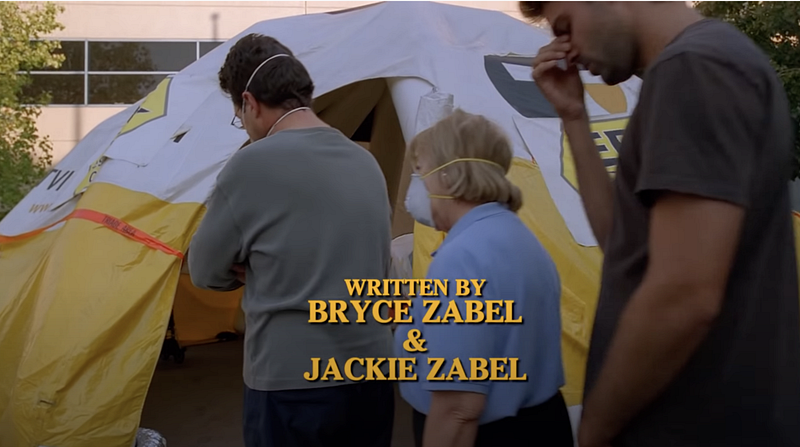
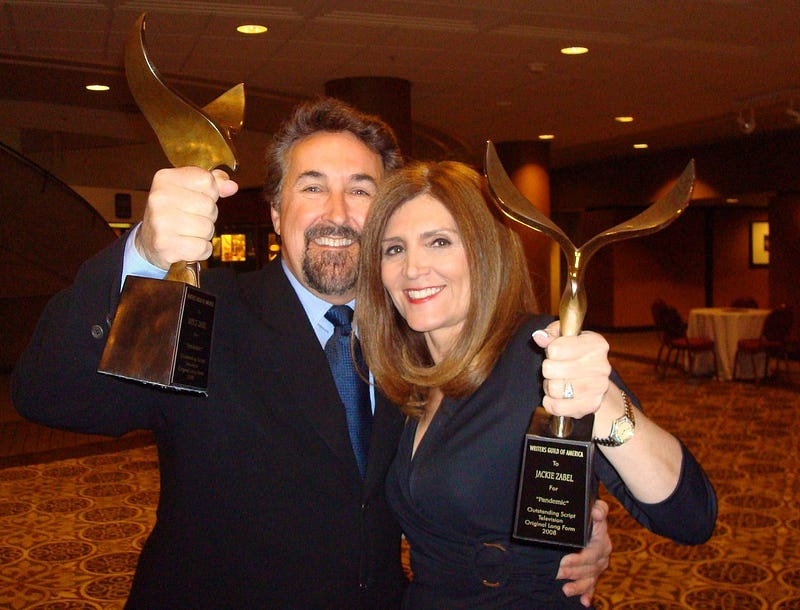
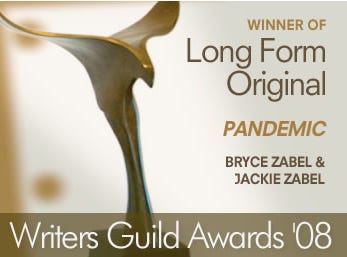
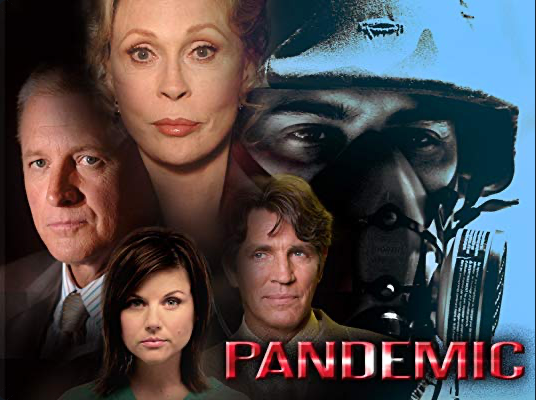
The idea of a pandemic-ending vaccine is something that we had been thinking about since 2006 when our research began for Pandemic, a limited series that would air the next year on the Hallmark Channel and win us the Writers Guild of America award the year after that.
By 2020, we had long since moved on from this project, as Hollywood writers do. Once it’s shot and aired, there’s nothing more to be done except find a new gig and hope the credit serves to find new work.
But, as Michael Corleone says in the new The Godfather, Coda: The Death of Michael Corleone, “Just when I thought I was out, they pull me back in.”
In the screenwriting world of Hollywood pandemics, particularly in classic three-act structure, we should be closing in on “Fade Out.” Problem solved, main characters allow themselves a short moment of humanity (or a shared cup of coffee) to acknowledge the horror-show they’ve been through, as a rising sun, speaks to new hope.
Hold that thought…
Going Viral
We had been hired by producer Dan Gross to create, develop and write a four-hour limited series. It had to be high concept, a disaster thriller ala The Poseidon Adventure (a version of which I’d written for NBC the year before).
We started with a simple premise title, “Pandemic,” and like the killer virus we created out of our nightmares, the scenario needed to grow from there into something almost unimaginable (except that, as writers, it was our job to imagine it).
We’ve been thinking a lot about that project as American society suffers, grieves, politicizes, inflames, blames and misdirects on Covid-19. It’s a re-run in our own minds.
We’ve thought a lot about the so many things we predicted right, and even a thing or two that we saw through a different lens, mostly because that was pre-Trump.
We had never imagined, for example, that the President of the United States would be the greatest impediment to confronting the disease. A narcissistic liar who downplays the severity of a novel virus while spreading the disease through the White House would have been a great character. Watching this anti-hero deny a pandemic raging out of control during an election and flouting his reckless disregard for science would have created scenes that executives like to say in Hollywood “practically write themselves.”
Had we pitched that as our premise back in 2006, we would have been told it was too crazy by half and that we needed to come back with something more plausible that audiences might actually believe.
A Film on Life Support Comes Back to Life
As the world locked down in February and March of last year, we started getting email congratulating us on our prescient writing on Pandemic. As it turned out, the film had now been discovered for streaming. It was on Amazon, YouTube, etc. for all to find. The title had been changed from Pandemic to Pandemic: A Coronavirus Movie. We presume this made it extremely search friendly and SEO optimized. So far the YouTube version alone has had over 14-million views, generated 96-thousand thumbs ups, and 11-thousand comments. This is an impact it never had on its original run, and simply was never imagined.
Given how much pain and suffering has been visited upon the world from Covid-19, it would have been so much better if our series had simply faded away into the deep archives of forgotten television.
Instead, Pandemic became an instant sensation in March 2020, as lockdown orders began, and people worldwide seemed to want to watch it to see what might lie ahead. At first we were proud to be a part of that answer, but we were also concerned. That’s a lot of pressure to put on a project made only to create suspense and thrill viewers. It was written only to be a cautionary tale-for-sale, not a think tank scenario report.
The Way We Pitched the Pandemic in “Pandemic”
- A surfer kid dies on a plane from Australia to Los Angeles, the first victim of the lethal new bird flu known as the Riptide Virus, spread from seagulls. Passengers break out of the imposed quarantine and spread the virus across L.A.
- The CDC races to find a cure or a vaccine, even as hospitals overflow, deaths rise, and bodies must be stored in ice skating rinks. The local CDC director argues forcefully for immediate radical shutdown.
- The pandemic attacks with such speed that the entire Southern California area must be quarantined. That means no flights in or out, and road blocks on the freeways.
- The panic of the population, aggravated by the total lockdown, leads to rampant, barrel of the gun criminality over therapeutics, and armed caravans of maskless drivers looking for a fight with authorities. Federal, state and local authorities argue over jurisdiction and distrust of scientists who some fear are too alarmist.
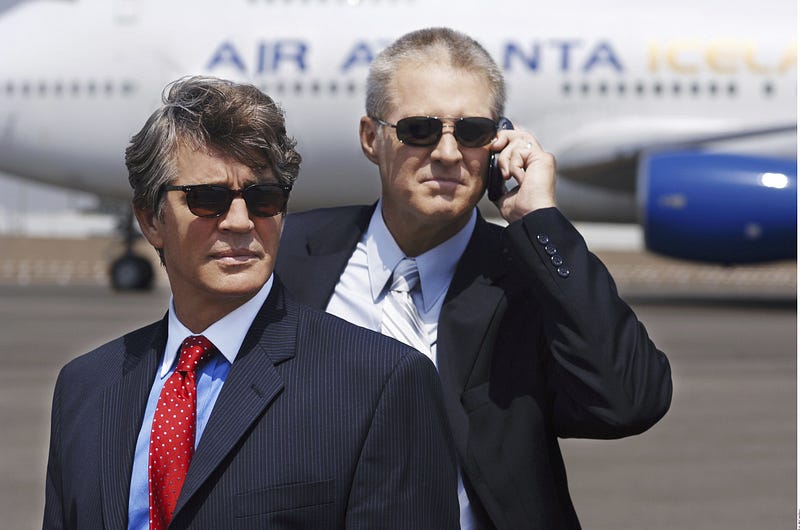
As it was, our multiple storylines still turned the volume up to “11” when it came to viral spread and lethality. That’s certainly what marketing thought was worth promoting in our trailers and promotional campaign.
Checking Our Boxes
The first thing, writers believe, is the word. So, the script has to be solid. We worked on it for six months or more before it was greenlit. We had so much technical advice from the CDC and our own internal medicine genius Dr. Jeff Galpin (a polio survivor) that we started talking like doctors. Jackie’s parents were both physicians. My first series was a medical drama on CBS, Kay O’Brien. So, thankfully, we had some background.
Before you start writing checks to shoot a four hour production in Los Angeles, with almost 100 speaking parts, there have to be plot-lines driven by vulnerable but likable characters and a few villains.
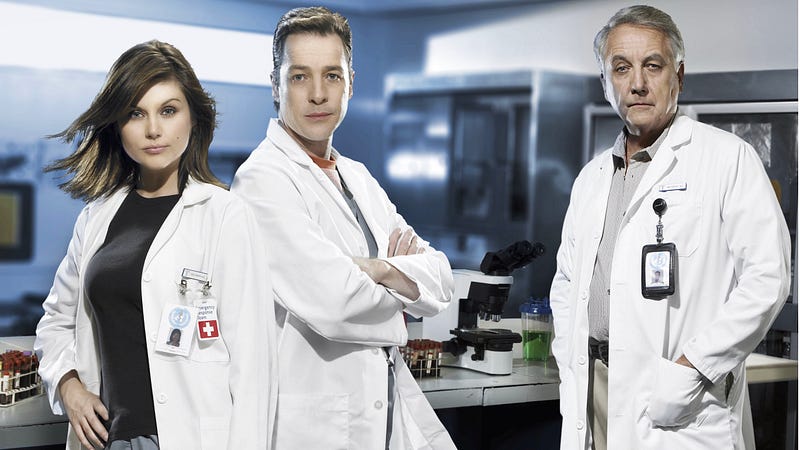
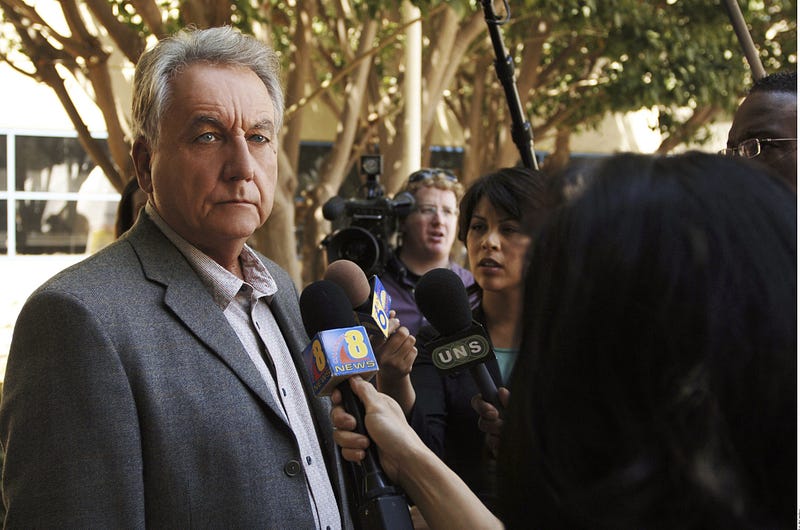
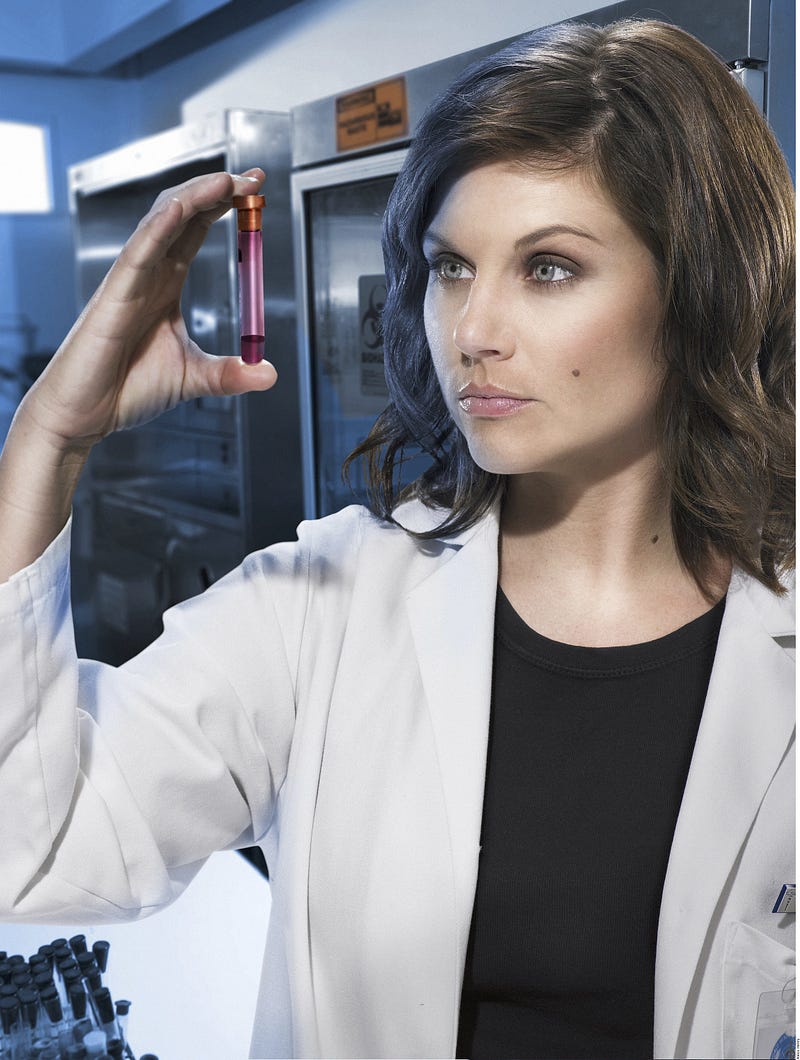
For sheer appeal, it’s hard to beat Tiffani Amber-Thiessen who plays Dr. Kayla Martin, the stunning-but-brainy CDC whiz-kid, just plucky enough to stand up to her well-meaning bosses at the Atlanta office who she thinks are too slow and cautious. She’s got the common sense pragmatism of New Zealand’s PM in our current crisis. Thiessen gives a good performance, particularly in the scenes where she argues pandemic politics with her boss, the erudite bureaucrat who loves the microphones as much as the stethoscopes, Dr. Max Sorkosky, played by Bob Gunton. Yes, the same actor who played the warden in The Shawshank Redemption. He’s always believable with just a touch of Fauci, and he gets a real twisted storyline to act out in Pandemic that we won’t spoil. (But guessing the actor will never look at duct tape the same way after what we did to him.)
French Smith backed up Tiffani playing her sarcastic-but-loyal sidekick. In our first draft, we called his character “RATBOY” because his name was Dr. Ratner, but the powers-that-be thought people might think he was conducting animal experiments, and the nickname was scrapped.
KAYLA: Okay. Let’s think this out. If we over-react —
RATBOY: Your career’s pretty much over.
KAYLA: But if I under-react…
RATBOY: And it’s a big one, then your career’s pretty much over, too.
We knew that we wanted to bring the virus in through an airplane, but we weren’t sure exactly what to do with the hot zone passengers once they got here. So we had the CDC quarantine them in a nearby hangar based on their seating proximity to Patient Zero. We assumed this is what CDC would do as a matter of general policy. Think again.
Instead, when we ran this scenario by the CDC, they acted like they’d never thought about it and that it was such a good idea that they would consider using it in the future. When screenwriters with over-active imaginations are coming up with quarantine ideas for the real world government agencies, can a Zombie apocalypse be far behind?
But the real meat-and-potatoes of our production had not to come from scientific logistics but from the gripping human drama in the form of fear, some compassion, served with heaping doses of paranoia and bad behavior.
By the time the limited series experience was over, we had managed to even freak ourselves out about how precarious the world was on the subject of contagion. We’d learned about 1918’s flu pandemic from multiple sources and nothing about it sounded comforting in the sense of lessons learned. We still had on hand a box of N95-rated “just-in-case” protective masks we bought during our rising paranoia. Ironically, we used them during our two fire evacuations. Nothing wasted, right?
The Great Mask Debate
No. We’re not talking about the one caused by Trump not supporting people wearing them and medical authorities disagreeing as to who knew virus pathology better.
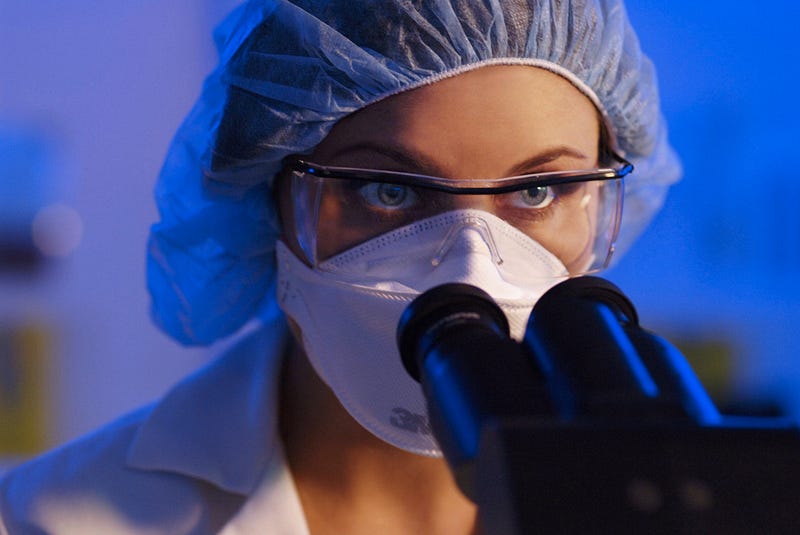
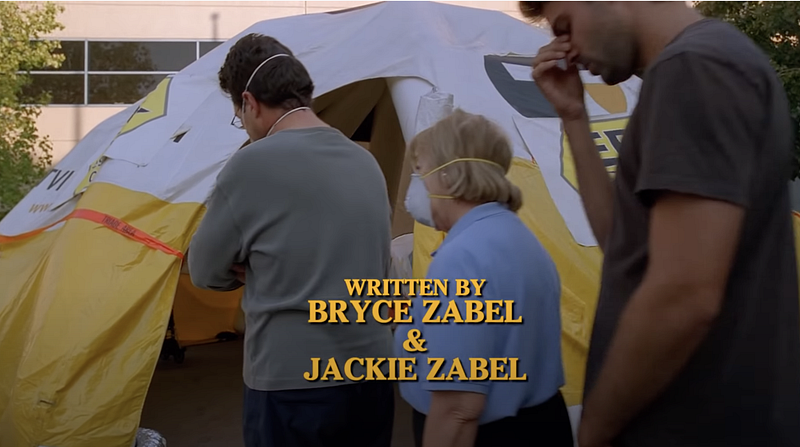
The debate we’re talking about is the one that raged during the production of Pandemic about who should wear a mask. There were rules, many characters wear them (and some even modified Hazmat suits), but the question back then for us was when a character had to wear one, primarily because it cuts off the audience ability to see the actor’s facial expressions. So what you see is a bit of an inconsistent approach which is understandable because there were many voices chiming in on this topic. Save the dramatic impact, not the patient, seemed to be the compromise.
What none of our technical advisors told us to do was to have the entire population instructed to wear a mask. So our film has no city wide mandate in place. The time frame of the virus is vastly compressed in the film so it does play as entirely conceivable that there would have been simply not enough masks to go around any way.
Given today’s knowledge, we would have considered mask wearing as a mirror of reality and worth some conflict but back then it wasn’t quite on our radar. The mask dynamic still brings us to human behavior. We figured that in the marketplace of ideas and reactions, at least some people would still act with the same venal, selfish behavior that powers their daily lives. After all, a pandemic won’t make bad people into good people.
So we invented a businessman, our Typhoid Jack if you will, a self-centered asshole, who thought that his real estate opportunity was far more important than society getting a handle on a viral outbreak. His needs came first.
The Politics of Pandemic
When it comes to pandemics, according to The New York Times, “the line between vigilance and hysteria can be as blurry as the edges of a watercolor painting.”
Amen to that.
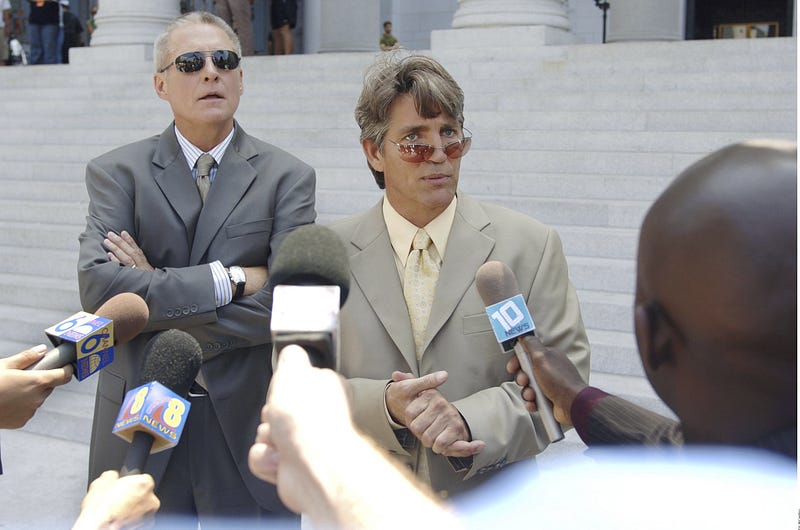
Two “big gets” of the cast were Faye Dunaway and Eric Roberts. They played most scenes together. She was the California Governor and he was the Los Angeles Mayor. They were written to have sharp issues but, based on the sheer insanity of what just happened between some of our nation’s governors and the White House in the current crisis, it seems we could have pushed even harder.
On the other hand, we also predicted conspiracy theorists seeing any attempt at restricting their movement as treason, and the violence that might accompany that.
Now as we hear about concerns that these vaccine shipments must be protected from possible destruction or theft, with protestors gathering at Dodger Stadium here in LA, it sounds very familiar. There’s a scene in Pandemic where a pharmacy is looted by bad guys who want to sell Tamiflu on the black market as public panic rises.
When we heard this year that Spain was considering skating rinks as temporary morgues, it also struck close to home. One of our main characters was a young skater, training for the Olympics, who had to watch her favorite place on Earth turned into a funeral parlor.
Actual Fake News!
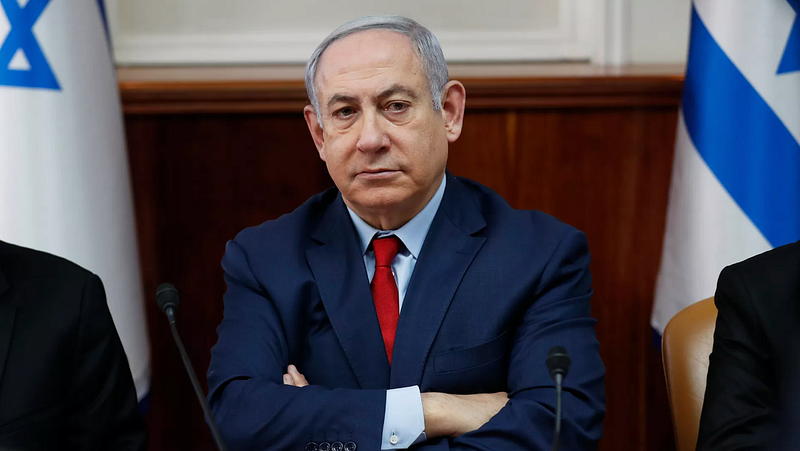
The absolutely craziest thing that happened as a result of Pandemic’s new found status as a cult hit of the moment is that none other than Israeli Prime Minister Benjamin Netanyahu showed a clip from our film to the entire Israeli cabinet, only it was mistaken for real footage.
The clip showed mass graves that he alleged demonstrated the number of coronavirus deaths in Iran were so extreme that bodies were being mass buried in garbage dumps. The clip he showed his cabinet members was from Pandemic and had apparently been on social media in Israel for over a week without comment.
Netanyahu received the real scoop on his assumption show-and-tell almost immediately, Axios reported on it first, and it was all blamed on a simple mistake. Still, our minds still boggle a bit from that one.
Back to the Ending
In our four-hour film, it turns out that a drug kingpin being transported between facilities on that plane from Australia had an immunity based on a past disease which provided the clue to treatment (we got this from an actual infectious disease specialist). The point is simply that once our courageous doctors have discovered what conveys immunity, the game is over. People, bloodied but not bowed, have beaten the microbe. The true villain is the disease. And the dragon slayers are the scientists.
In our perfectly imperfect world of Pandemic, simply finding a vaccine was enough to end the story. It was assumed in our story sessions and notes from studio and network that staying with the vaccine part of the story would be anti-climactic, since it was believed that naturally everyone would be on-board with making it, planning the distribution and taking it. Enduring a deadly disease or taking a life saving vaccine — a no brainer, right?
Of course, back then, who could perceive a President of the United States who would hold mass rallies of maskless people? Or the millions of Americans he would so infect with distrust of anything official that they would need to be arm-twisted into taking such a vaccine? That would be ridiculous.
What a difference a few years makes, right?
A Parting Thought
As we watch and listen to this debate, it’s impossible to be neutral. If it’s not Ebola or Covid-19, it will be something else in the years ahead. This hasn’t been our first viral rodeo and it won’t be our last. Scientists are going to be tasked to make effective, safe vaccines and people are going to have to get more comfortable taking them, because short of accepting mass casualties, that’s the only alternative.
So, yes, after parking our brains in the intense world of pandemic to see this film made, and gluing our faces to 24 hour news channels during our current global situation, we do think vaccines are safe (or safe enough) to justify taking them.
Both of us routinely used to get the flu once a year. Then one year we started taking vaccines and never had it again. That includes no bad reaction to any vaccine other than a sore arm and a low-key day sleeping in.
Get ready for your close-up. Needles may look like they belong in a horror movie, but they’re just a little stick in the arm.
Roll up your sleeves and roll credits. Fade out.