Headline Hacks
How To Write a Subtitle That Makes Your Headline Shine
A great subtitle is half the battle — and this is your ultimate guide to winning it
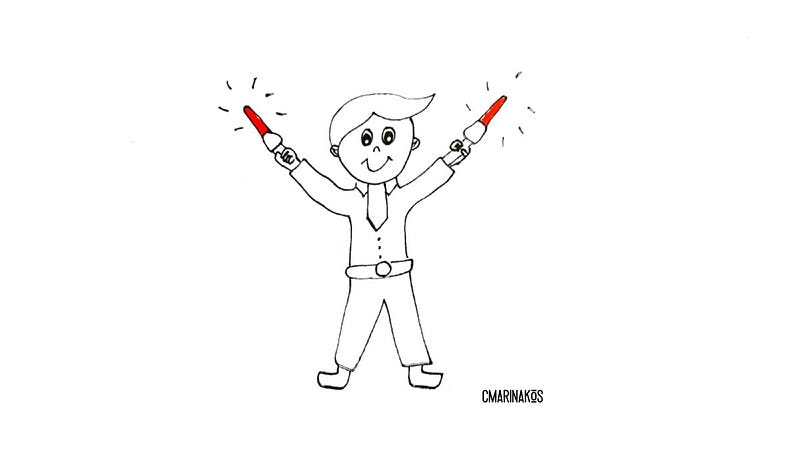
The family stand looking from afar. What they see seems intriguing, but they’re hesitant to move closer.
Suddenly, the man behind the stand smiles at them. His face lights up. Casually, he begins a conversation. Slowly, without even realizing it, they move towards the stand.
Meanwhile, my friend Garon’s homemade, freshly baked croissants start working their magic. The golden, crisp outside. The gleaming chocolate oozing out. The intoxicating, rich, buttery smells. The sweet berry filling.
John Green says we fall in love the way we fall asleep: Slowly, and then all at once. The same thing happens here. Once the family’s eyes and noses confirm what they see from afar, it’s a done deal.
4 for $20, the sign says. Check. They happily hand over a note and leave to grab lattes and sit on the benches next to the water, savoring every bite of my friend’s croissants.
This is what you need to do with your readers: Catch their eye with your headline. Then get them to take a step closer with your subtitle.
The mistake many writers make (myself included) is to write a headline, then hastily write a subtitle — or leave it out entirely, not realizing its real purpose.
We think our headlines should be so good they convince our reader to plough straight in and read every precious word we’ve conjured up.
Sometimes they might. Most of the time they don’t.
Remember how people read online?
They skim. They’re opportunistic. They browse with a consistent thought in their unconscious minds:
“How can we quickly get the gist of this piece without having to read every damn word.”
“How can this help me?”
They want to know so they can move onto the next article, pick up the kids, get off the bus, or head back to the office after lunch.
You’ve got a measly 10 seconds to captivate. Don’t make the mistake of thinking your heading can do it on its own. Your subtitle has a job that’s just as important.
In this detailed guide about subtitles, you’ll learn:
- The purpose of a subtitle
- The difference between a headline and a subtitle
- 15 examples of great subtitles across different channels
- Summary of 12 key techniques gathered from the examples
- Mistakes to avoid
- My 4-step process
Let’s begin, shall we?
The Purpose of Your Subtitle
In his book Breakthrough Advertising, legendary copywriter Gene Schwartz tells us the purpose of our heading is this:
“Your headline has only one job — to stop your prospect and compel him to read the second sentence...”
So what then is the purpose of our subtitle — the second sentence?
“In exactly the same way, your second sentence has only one job — to force him to read the third sentence…”
Gene tells us that our headline and subtitles don’t need to sell at all — only to keep our reader’s attention.
“It is simply common sense that the more of your story you can force your prospect to read, the more thoroughly you can sell him.”
Like Garon and his croissants, he knows that it’s not a done deal even if they come closer — but he has a better chance of selling the longer he catches their attention.
The Difference Between a Headline and a Subtitle
A headline is a name for a piece of writing. The subtitle can be an alternate headline or give further explanation of the title.
Headlines are typically shorter than subtitles. Both work together to build curiosity and tell the reader what the piece is about.
15 Examples of Great Subtitles
Let’s look at a few examples from a range of different platforms — news sites, apps, email opt-ins, books, and more — so we can see if there are any common themes.
We’ll analyze why they work so we can use the key concepts to create our own subtitles.
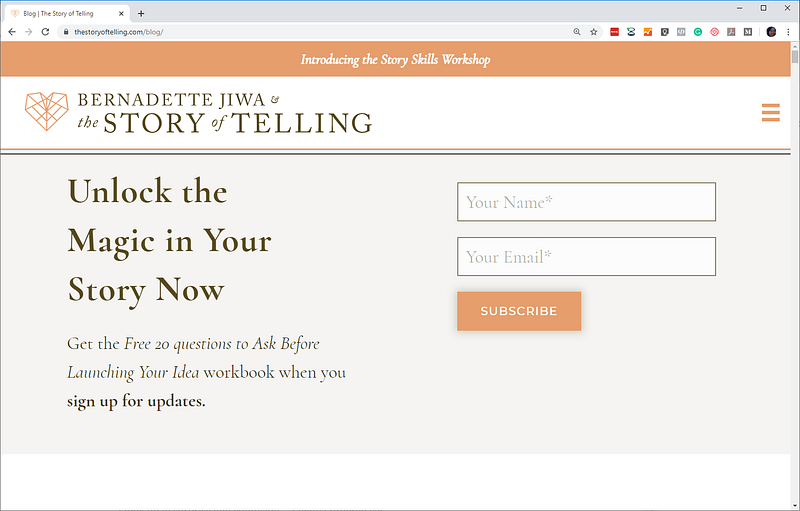
Example 1: The Story of Telling email opt-in
Headline: Unlock the Magic in Your Story Now
Subtitle: Get the Free 20 questions to Ask Before Launching Your Idea workbook when you sign up for updates.
Why it works:
- Entices readers with a free workbook.
- Includes a call to action: “sign up for updates.”
- Simple language: “get”, “free”, “sign up”, “you.”
- Addresses the reader directly.
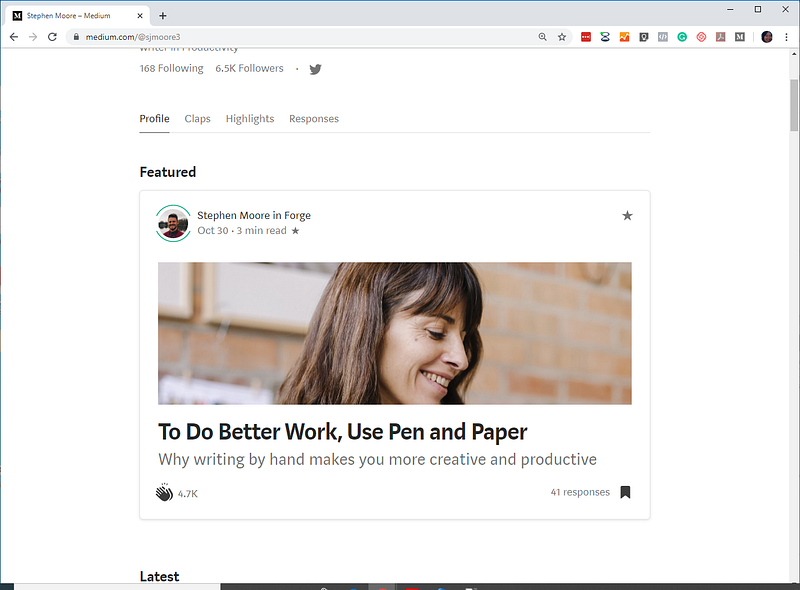
Example 2: Article by Stephen Moore
Headline: To Do Better Work, Use Pen and Paper
Subtitle: Why writing by hand makes you more creative and productive
Why it works:
- The word “Why” acknowledges the reader’s silent question and promises convincing reasons.
- Understands the reader’s desires for creativity and productivity.
- The subtitle could be an alternative title.
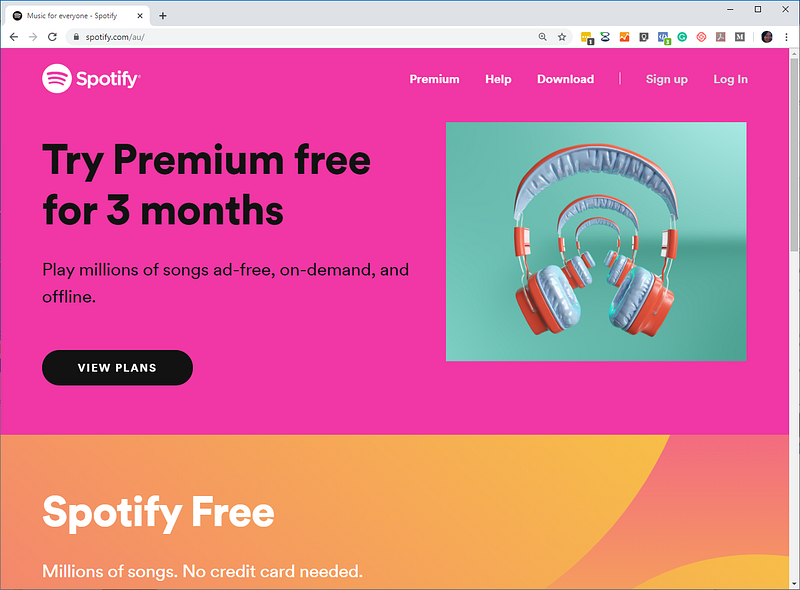
Example 3: Spotify home page
Headline: Try Premium free for 3 months
Subtitle: Play millions of songs ad-free, on-demand, and offline.
Why it works:
- Begins with a verb ‘play’ to help readers imagine what they can do with the service
- Includes four benefits in ten words
- Uses power words “millions”, “on-demand”, “ad-free.”
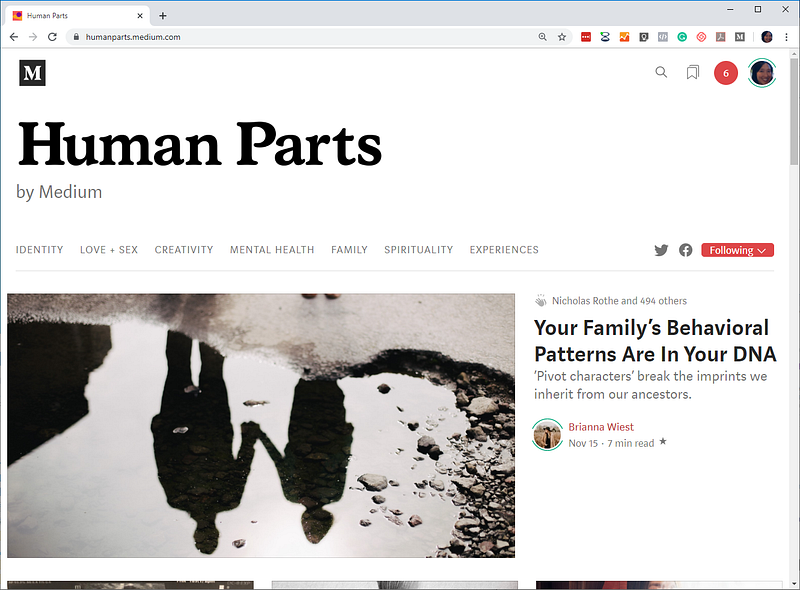
Example 4: Article by Brianna West
Headline: Your Family’s Behavioural Patterns Are In Your DNA
Subtitle: ‘Pivot characters’ break the imprints we inherit from our ancestors.
Why it works:
- Anticipates the reader’s question: “Are we powerless because of our DNA?”
- Builds curiosity by naming the specific thing that will set us free.
- Tells us what we can expect from the article.
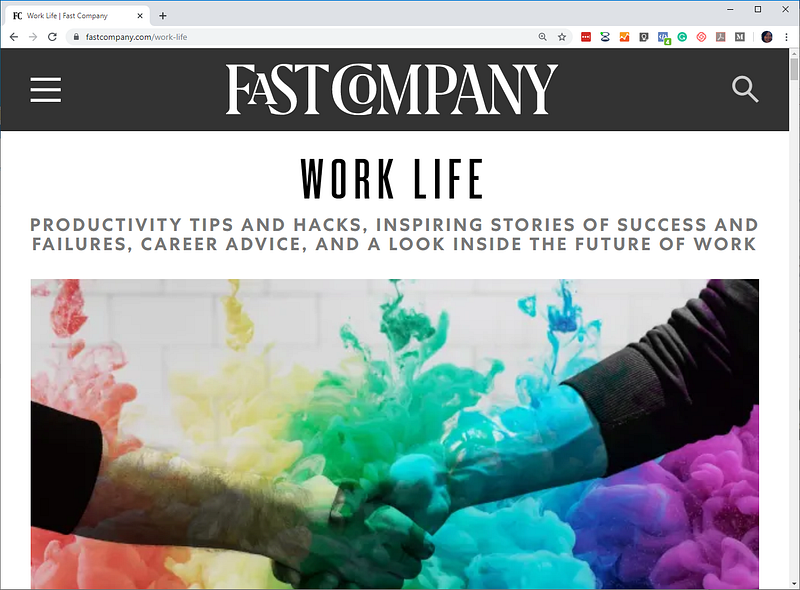
Example 4: Fast Company’s Work Life category home page
Headline: Work Life
Subtitle: Productivity tips and hacks, inspiring stories of success and failures, career advice, and a look inside the future of work.
Why it works:
- Clarifies the short, generic headline by being specific about what to expect.
- Power words: “tips”, “hacks”, “success”, “failures”, “future.”
- Understands what readers want to know.
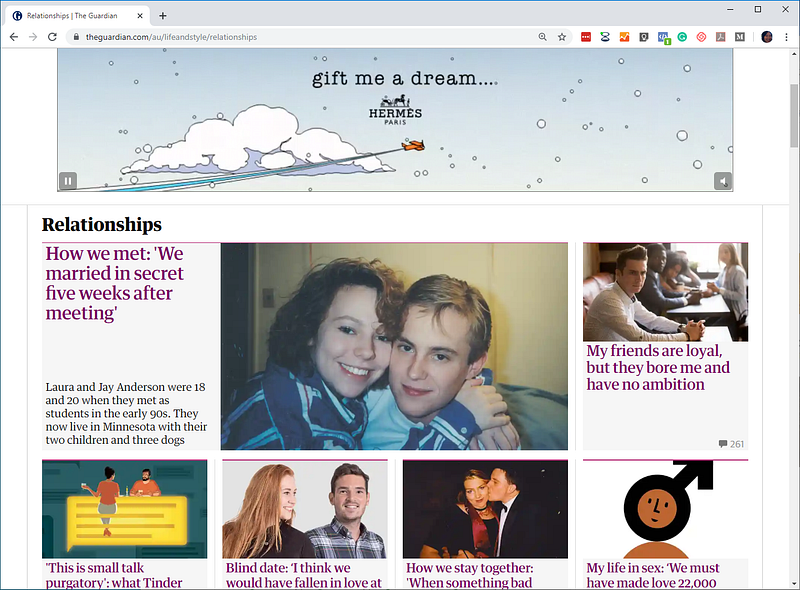
Example 5: The Guardian article
Headline: How we met: ‘We married in secret five weeks after meeting’
Subtitle: Laura and Jay Anderson were 18 and 20 when they met as students in the early 90s. They now live in Minnesota with their two children and three dogs.
Why it works:
- Feeds our voyeuristic tendencies
- Uses storytelling
- It gives us information that builds curiosity: If they hadn’t told us they’re still together, the story wouldn’t be as powerful.
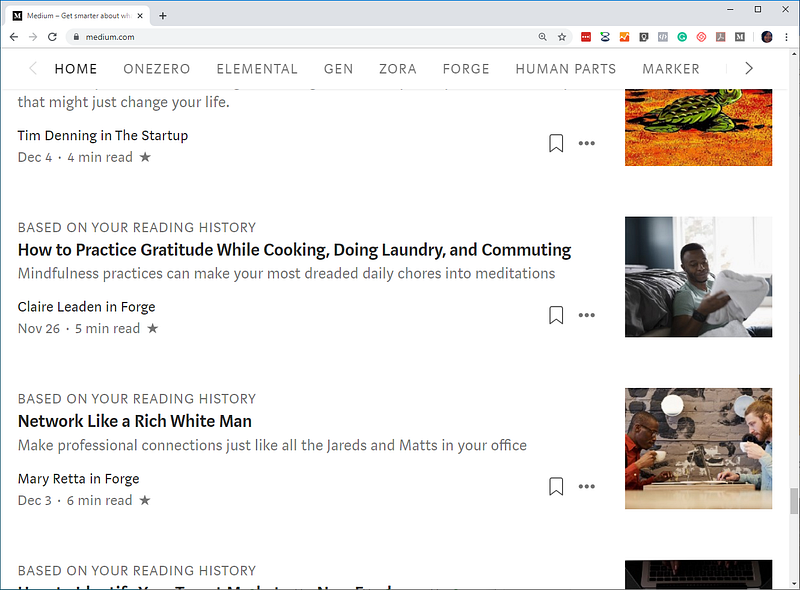
Example 6: Article by Claire Leaden
Headline: How to Practice Gratitude While Cooking, Doing Laundry, and Commuting
Subtitle: Mindfulness practices can make your most dreaded daily chores into meditations
Why it works:
- Tells us what to expect, “mindfulness practices”, “meditations.”
- Understands the reader: “your most dreaded daily chores.”
- Addresses the reader directly.
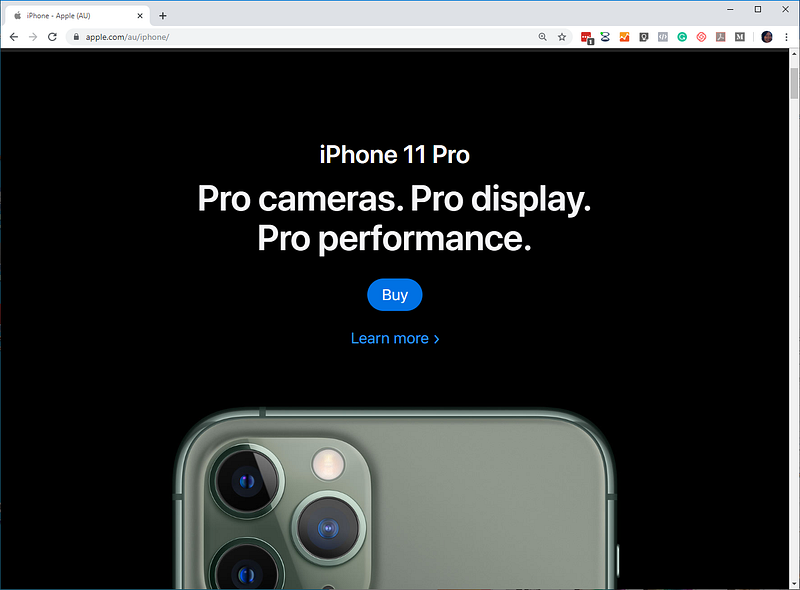
Example 7: iPhone home page
Headline: iPhone 11 Pro
Subtitle: Pro cameras. Pro display. Pro performance.
Why it works:
- A clever play on the power word “Pro”, uses the Rule of 3 writing technique
- Uses words economically.
- Knows what users want from their phones.
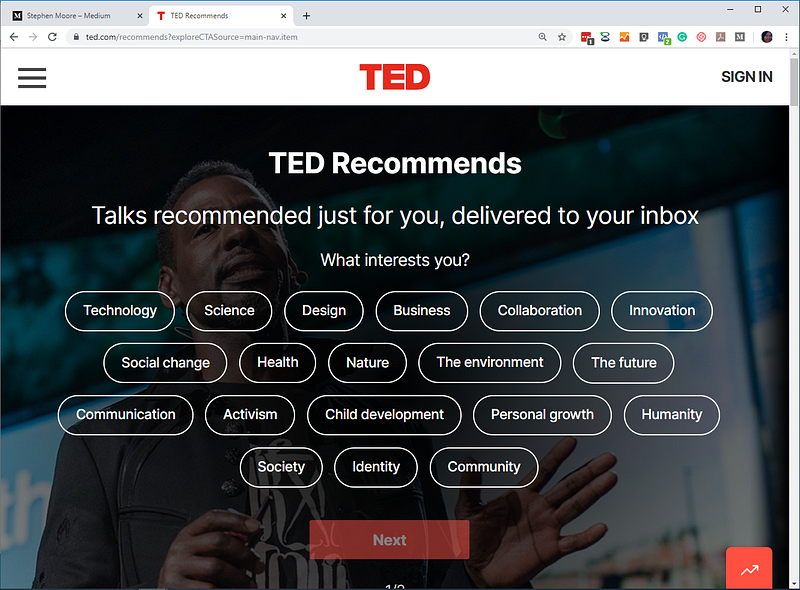
Example 8: TED Recommends home page
Headline: TED Recommends
Subtitle: Talks recommended just for you, delivered to your inbox
Why it works:
- Clarifies the headline in nine words.
- Tells us what to expect “delivered to your inbox.”
- Addresses reader directly, feels personal and casual.
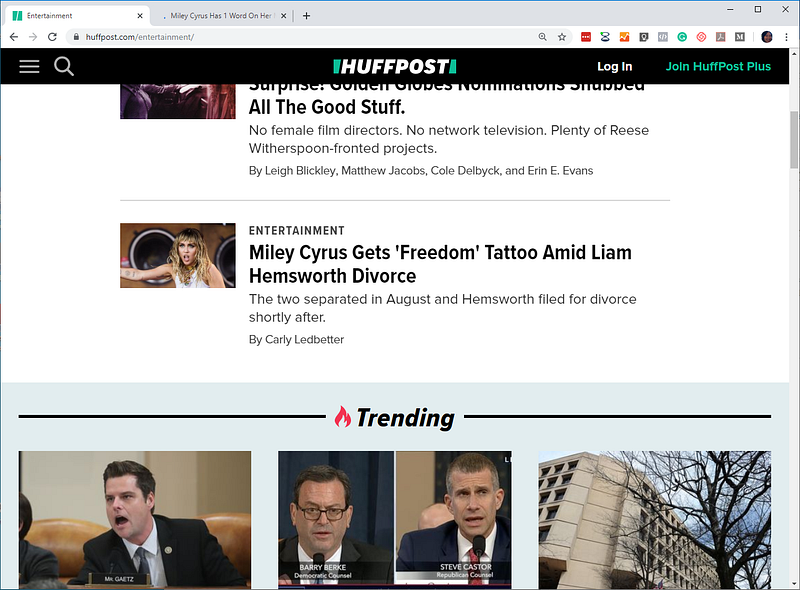
Example 9: Huffpost entertainment article
Headline: Miley Cyrus Gets ‘Freedom’ Tattoo Amid Liam Hemsworth Divorce
Subtitle: The two separated in August and Hemsworth filed for divorce shortly after.
Why it works:
- Build curiosity through specificity.
- Explains rather than assumes.
- Gives us extra key information in one short sentence.
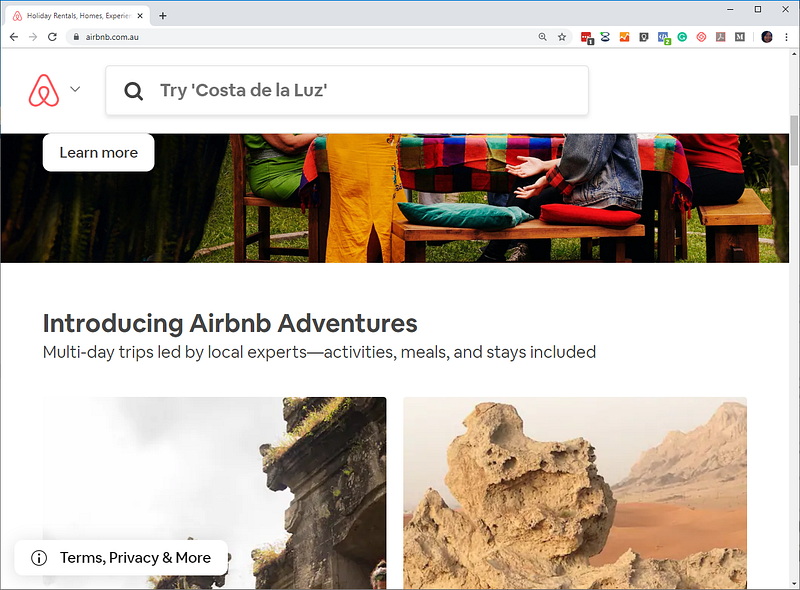
Example 10: Airbnb homepage
Headline: Introducing Airbnb Adventures
Subtitle: Multi-day trips led by local experts — activities, meals, and stays included
Why it works:
- Knows what the reader values.
- Tells us what to expect.
- Imparts so much in a few words.
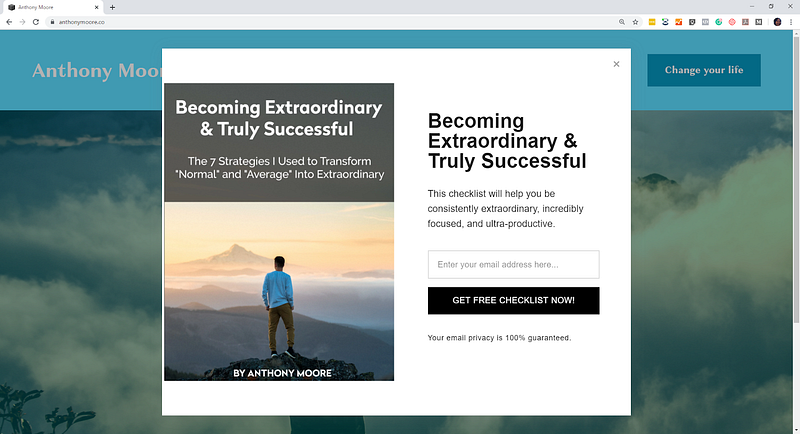
Example 11: Anthony Moore’s email opt-in
Headline: Becoming Extraordinary & Truly Successful
Subtitle: This checklist will help you be consistently extraordinary, incredibly focused, and ultra-productive.
Why it works:
- Tells readers what they will get when they opt-in: A checklist.
- Appeals to deep desires.
- Power words “extraordinary”, “incredibly”, “ultra”, “consistently.”
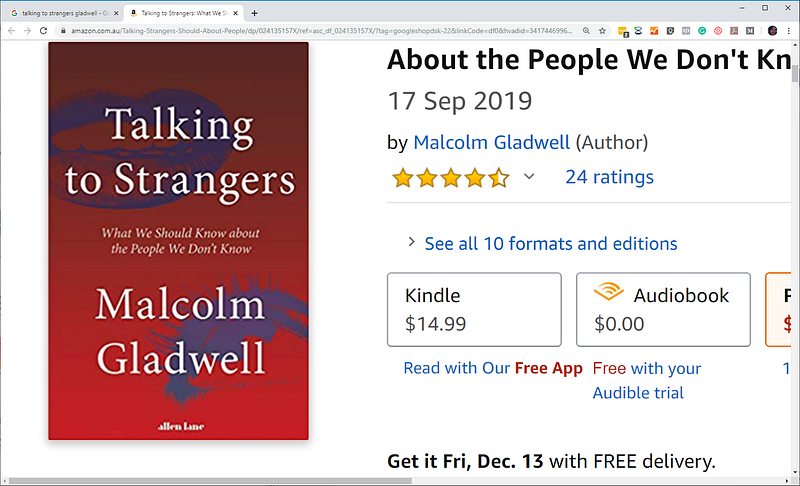
Example 12: Book by Malcolm Gladwell
Headline: Talking to Strangers
Subtitle: What We Should Know about the People We Don’t Know
Why it works:
- Builds curiosity so we wonder “what should we know?”
- Appeals to our desire to connect with new people.
- Promises inside information that will give us an edge.
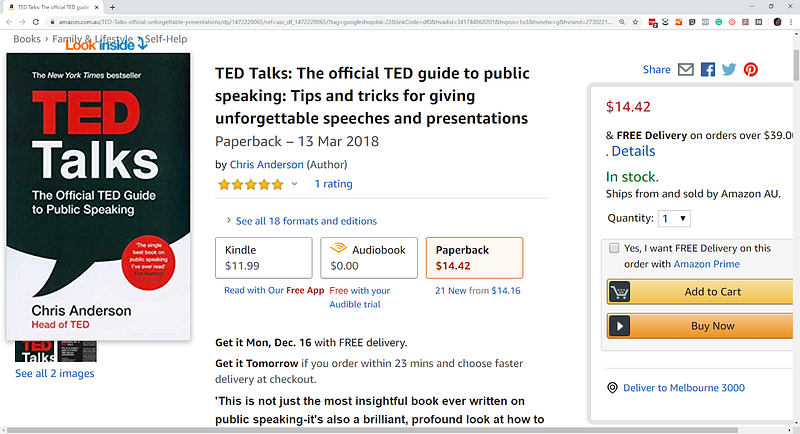
Example 13: Book by Chris Anderson
Headline: TED Talks
Subtitle: The Official TED Guide to Public Speaking
Why it works:
- Tells readers they’ll get practical how-tos.
- Short yet powerful — it works because TED Talks are so widely known.
- Conveys credibility with the word “official.”
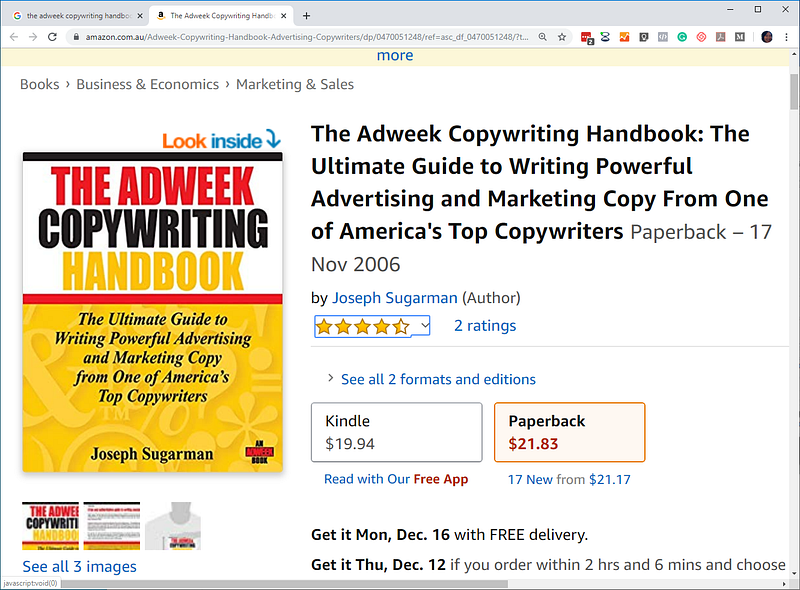
Example 14: Book by Joseph Sugarman
Headline: The Adweek Copywriting Handbook
Subtitle: The Ultimate Guide to Writing Powerful Advertising and Marketing Copy from One of America’s Top Copywriters
Why it works:
- Tells readers they’ll get a comprehensive guide of practical tips.
- Appeals to the reader’s desires.
- Explicit credibility, a huge claim which works because it’s true.
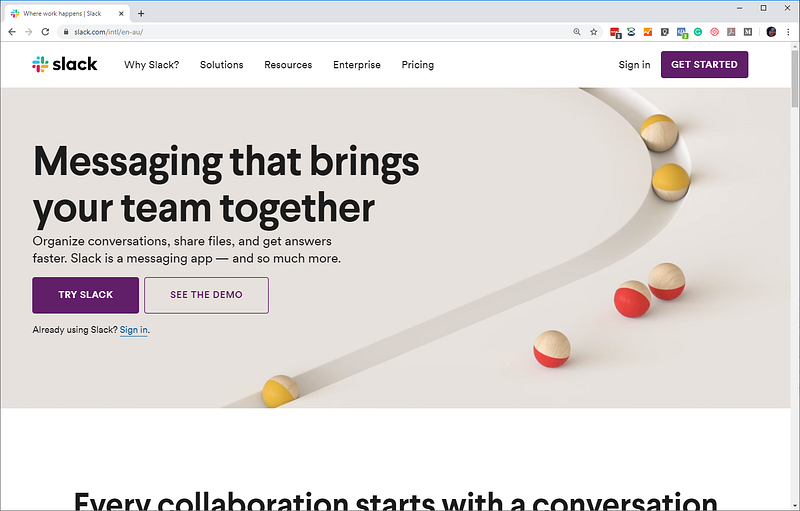
Example 15: Slack homepage
Headline: Messaging that brings your team together
Subtitle: Organize conversations, share files, and get answers faster. Slack is a messaging app — and so much more.
Why it works:
- Uses verbs to help readers imagine doing.
- Understands the reader’s desires.
- Repeats the word “messaging” to reinforce the headline — it’s clear what the product is.
Complement Your Headlines
In all these examples, the subtitle enhances the headline. Although the headlines may sound enticing or seem to clearly state what the book, app, or article is about, a headline can’t say all it needs to say in a few words.
When we gather the points about why the subheadings work, we notice a few common techniques about how they’re put together:
- Don’t worry about length
- Choose words carefully
- Use power words
- Build curiosity
- Address the reader
- Understand key desires
- Anticipate questions
- Be specific
- Promise to give to the reader
- Show credibility
- Tell the reader what they can expect
- Use simple language
Did you observe these too? Was there anything extra you noticed?
From these insights, we now have a guide on how to write subtitles. Let’s break down these 12 techniques.
12 Key Techniques for an Alluring Subtitle
1. Don’t worry about length
The shortest subtitle was six words. The longest was a few sentences.
It’s not about length, though you don’t want to ramble. As a guide, aim for one or two sentences. Instead of obsessing about how many words you’ve written, focus on clarity.
For instance:
The Story of Telling email opt-in
Headline: Unlock the Magic in Your Story Now
Subtitle: Get the Free 20 questions to Ask Before Launching Your Idea workbook when you sign up for updates.
The subtitle seems long, yet Bernadette uses few filler words, and she’s carefully selected them: “get”, “when you”, “for”. She makes it clear what to do, what will happen next, and what readers will get. She is intentionally specific about what readers will get, to entice them.
2. Choose words carefully
Use words economically. It doesn’t mean your subtitle needs to be short. Don’t waste words. Say more in fewer words.
For instance, iPhone’s subtitle:
“Pro cameras. Pro display. Pro performance.”
Apple is known for saying a lot in few words. Here they’ve used a writing technique, the Rule of 3, to convey the benefits of their latest phone. The rule of three helps people remember and form a strong impression by sharing information in a way that’s simple, catchy, and digestible.
See how I’ve just used it?
3. Use power words
Words arouse feeling in readers. They give your writing flavor. They can convey negative or positive sentiment. They can encourage action.
People don’t buy based on logic alone — 95% of cognition happens from our unconscious mind — logic simply backs our decisions.
You need to stir something deep inside them so they care about what you’re saying. You’ve got to connect with their beliefs. Their emotions. Their feelings.
Power words are as important in subtitles as they are in headlines. Here are a couple of resources I wrote and often refer to myself when writing headlines and subtitles:
- The Ultimate List of 320 Powerful Words to Use in Your Headlines
- 80 Uplifting Headline Words That Will Capture Your Readers with Positivity
4. Build curiosity
Many of us have a natural sense of curiosity. It began when we were babies, exploring the world. There are many phrases and words you can use to trigger your reader’s curiosity:
- Astonishing
- Eye-opening
- Unusual
- Why
- Dare
- Life-changing
- Immediately
- Breaks
- Secret
- Transform
- Reveals
Phrases:
- Everything you need to know
- Up to speed
- Have you heard
- What we should know
- The ultimate guide
- Search for the world’s most
- Does
really prevent ? that can help you
Be careful of being too coy or clever when you attempt to build curiosity. Aim for clarity.
5. Address the reader
Take a look at the list of most common words in English and you’ll discover the most used pronoun is “I”.
It really is all about us — so acknowledge your reader by using the pronoun “you”.
We all want to feel included and seen by others. Human connection is as important to our survival as food and water. You’re just another person offering yet another product, book, service, or sign-up. Why should your reader care?
Well, you begin to cross the chasm to your reader when you address them.
Use the word “you.”
6. Understand key desires
“People don’t change: only the direction of their desires do. They cannot be made to want anything, nor is it necessary to create want. All that is necessary is to be able to channel those wants into proper products that offer legitimate satisfaction for them.” — Eugene Schwartz
We don’t need to create desires — they already exist in the hearts of millions of people.
As copywriters, we don’t create people’s desires to lose weight, make more money, or show their success to others. But we can channel those desires onto a particular product (or an article), and we can be rewarded for it (get plenty of profit, claps, comments, reputation, admiration, and respect).
Certain desires are common to the masses. We all have many desires. To truly speak to our reader, we need to identify their key desire related to our topic — what do they want most?
Examples of mass desires
These can be permanent or changing, according to seasons or trends.
- Women want to be attractive
- Men want to be virile
- Be healthy
- Be financially stable
- Option to work less
- Be loved
- Be happy
- Be successful
- Live in a beautiful home
- Wear clothes that make us look good
- Travel to gorgeous places
- Put on a front to others that their lives are fantastic on social media
7. Anticipate questions
This relates to an understanding of our reader’s key desires. When we know what they really want, we can think about what they want to know.
A way to identify questions is to think about what you would want to know. If you want a deeper understanding of what people wonder:
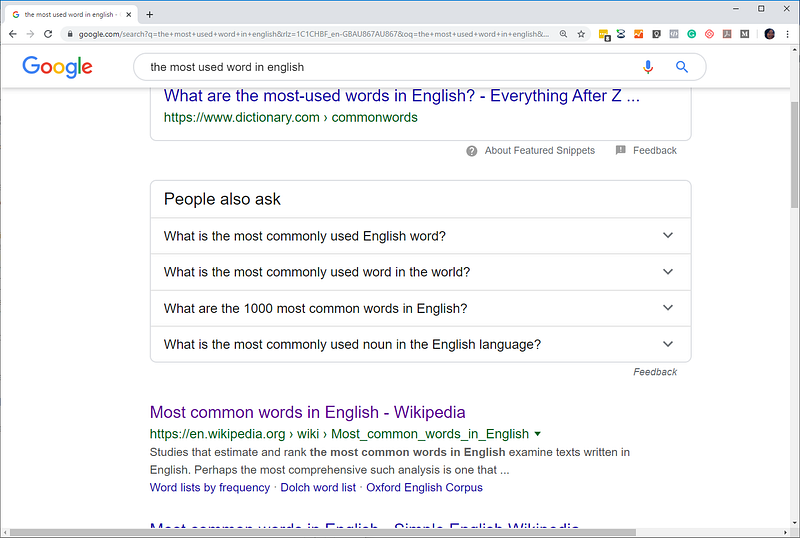
- Search on Google and on the search results page, look at the section “People also ask” (near the top — see screenshot below) and “searches related to” (at the bottom)
You can also:
- Check Quora
- Browse forums
- Think about what you would want to know
- Ask a friend
- Explore website FAQs
8. Be specific
Generic writing is pointless. Saying you’re different or that this product will improve your life doesn’t tell a reader anything.
In their headline, Slack tells us what their product is about:
“Messaging that brings your team together.”
But how exactly? The headline needs clarity.
They break it down in their subtitle:
“Organize conversations, share files, and get answers faster. Slack is a messaging app — and so much more.”
Be specific.
9. Promise to give to the reader
Anthony Moore’s subtitle for his email opt-in promises to give us a checklist:
“This checklist will help you be consistently extraordinary, incredibly focused, and ultra-productive.”
10. Show credibility
Subtitles can infer credibility. Take Chris Anderson’s:
“The Official TED Guide to Public Speaking”
There could be many other sources that give tips about public speaking at TED. The word “official” is powerful — it tells us these tips come directly from TED.
Joseph Sugarman’s subtitle:
“The Ultimate Guide to Writing Powerful Advertising and Marketing Copy from One of America’s Top Copywriters”
It’s explicit and a huge claim to say he’s one of America’s top copywriters. It works only because Joseph Sugarman is widely known for his proven results.
Airbnb Adventures:
“Multi-day trips led by local experts — activities, meals, and stays included”
The word “expert” reassures prospective travelers they’ll be taken care of by people who know the area. Many travelers would be worried about how to get by in a foreign place.
11. Tell the reader what they can expect
Uncertainty is stressful. In reading online, the stress for readers is wasting their time. Remove that stress for your reader and they’re more likely to keep reading the next line. And the next.
The more they read, the more likely you’ll get to elaborate on your message, sell your book, or score an email for your mailing list.
So how can you create more certainty for your reader? The examples show us:
“Get the Free 20 questions to Ask Before Launching Your Idea workbook when you sign up for updates.”
“Play millions of songs ad-free, on-demand, and offline.”
“Productivity tips and hacks, inspiring stories of success and failures, career advice, and a look inside the future of work.”
“Mindfulness practices can make your most dreaded daily chores into meditations”
“Talks recommended just for you, delivered to your inbox”
“Our sole purpose is to help you find compelling ideas, knowledge, and perspectives.”
You can create certainty by using:
- Verbs: help your reader visualize using your product, achieving a change, or getting something: “find”, “delivered”, “play” “look inside”, “delivered”
- Specificity: tell your reader they will get tips, inspiring stories, advice, compelling ideas
- Acknowledgment: Use “you” and “your” — the active voice will feel like you are personally speaking to your reader
Tell your readers what they can expect.
12. Use simple language
“That’s been one of my mantras — focus and simplicity. Simple can be harder than complex; you have to work hard to get your thinking clean to make it simple.” — Steve Jobs
Overly complicated language doesn’t help readers, who want an easy read. They skim. Simple language helps them glide smoothly rather than stutter and stop along the way.
It can be a struggle to write simply if you’ve gone through college or worked in a corporate job. Many of us have grown up writing in an academic way — whoever can come up with the most complicated, impressive-sounding words wins.
We take that into our professional lives — and the culture of most organizations supports this type of writing. But when we do this, we screw over the most important people: our readers. What’s the point of writing what turns our reader off?
Add to that, it’s been found that professionals and experts prefer plain language.
So let’s write in a way that helps people get the information they’re looking for, quickly, in a way that keeps them from getting bored or tired.
Choose simple words over unnecessarily complex words:
- Instead of “facilitate,” use “help.”
- Instead of “amendment,” use “change”.
- Instead of “communicate,” use “tell us” or “let us know.”
- Instead of “demonstrate,” use “show.”
Look up the A-Z of alternative words to simplify your words.
Now you’ve seen 12 techniques for writing subtitles with plenty of examples and resources.
You don’t need to use all of these — one or a combination can work well as the examples show.
To reinforce what we’ve learned, we can also create a list of what not to do. This can help you to avoid common mistakes.
Mistakes to Avoid in Your Subtitle
- Don’t make it all about you — give to your reader.
- Don’t label with generic information — be useful and specific.
- Get the balance right between telling too much and not telling enough.
- Don’t be too coy or clever — be clear.
- Don’t waste words.
- Don’t use complicated words.
- Don’t ignore the reader’s desires.
You’ve seen examples. You’ve learned techniques. You know what mistakes to avoid.
Where do subtitles fit when you’re writing? That’s what we’ll cover next.
My 4-step Process to Write Subtitles
Like headlines, there are many ways to write a subtitle. My process of writing subtitles piggybacks on my headline writing process (which I’ve outlined briefly below).
I’d love to share it with you so you can see what might work for you.
Here’s my 4-step process to write subtitles:
- Write draft
- Write headlines: Review final and identify the key message. Identify the readers’ dreams and desires. Use power words. Use a headline analyzer to filter headlines (explained in my headline process.)
- Choose a headline.
- Use the headline brainstorm to create a subtitle.
Note that when I choose subtitles, I don’t bother too much about the rankings given by the headline analyzer. Instead, focus on how the subtitle will complement the headline chosen:
- Does it provide a brief, specific overview of what's in the post?
- Does it further entice your reader?
- Does it answer a common question?
- Does it provide proven examples?
- Does it include a surprising discovery?
Once you’ve done that, you’re ready to upload your post. Oh, and make sure you format your subtitle properly. If there’s a specific format or layout you can use, say on Wordpress or another platform, be sure to use that to mark your subtitle as such.
Subtitles Matter
“Use an appropriate title and subtitle to best reflect your idea and to help promote it in post listings on and off the platform.
Custom subtitle
You can add a custom title and subtitle to your post if you want to have a different title for the preview, and a different one on the post page itself.”
— In Custom titles & subtitles
Take the time to write your subtitle and format it correctly. It will help you promote your writing and, most of all, it will give your readers the extra information they need to stay a little longer.
Summary
Subtitles are often overlooked by writers. Yet a missing or badly written subtitle can mean your post gets ignored. It can mean your competitor’s app is chosen over yours. It can mean your book doesn’t land into all the laps it could.
But perhaps most importantly, it means you’re robbing your readers and prospects of the opportunity to enjoy your work.
Fortunately, you are now one of very few writers that know how important subtitles are. A great subtitle will elevate your headline.
Best of all, you’ve got this detailed resource to refer to before you publish each post:
- Purpose of your subtitle
- Difference between a headline and a subtitle
- 16 examples of great subtitles across different channels
- Summary of 12 key techniques gathered from the examples
- Mistakes to avoid
- My 4-step process