
How to Write a Book Whilst Working Your Day Job: 6 Tips to Making It Out Alive
What it really takes to write a book alongside your 9–5
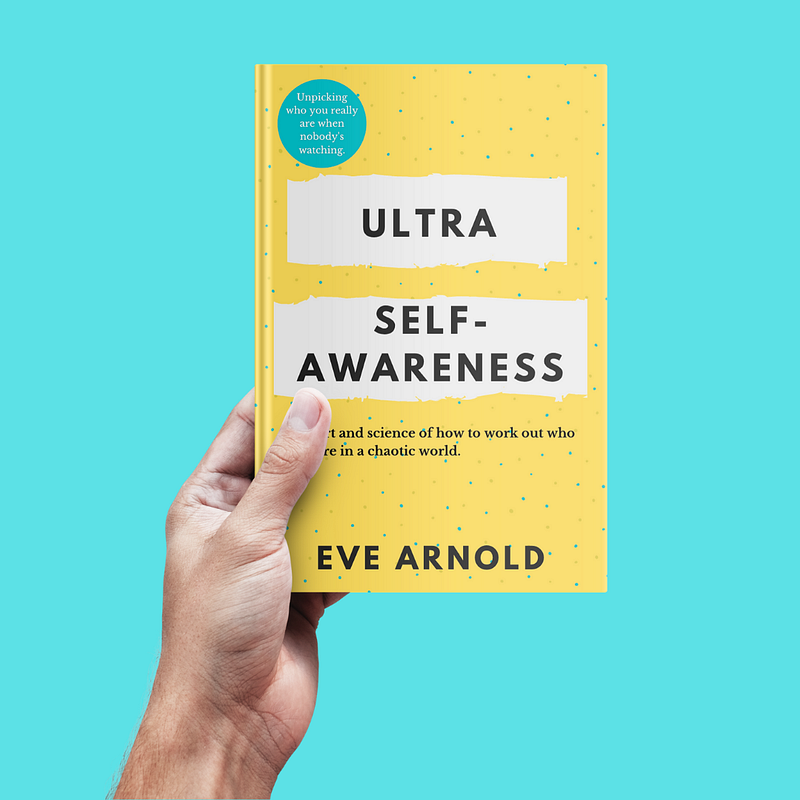
Waking up in a carb overload this morning from my celebratory finished-my-first-book-cheese-topped everything meal, I feel two emotions.
Firstly I feel elated, the last few months have been hard, the last few weeks have felt never-ending, it’s a pretty magical feeling to be done with the book. For the first time in a long time, I feel proud of what I’ve done. That’s pretty great, to be honest. Secondly, I feel gross; after two weeks of eating clean, a cheesy, calorific dinner does not make for a happy stomach the morning after.
In the midst of my dual feelings, I thought I would power through the stomach cramps and dull haze of cheese overload to write about my lessons, as a newbie writer, having just written my first book alongside my 9–5. So, here are my 6 tips; I’m hoping they will get you through the dark times so you can feel the elation I felt this morning (minus the cheese-fest).
The 7th tip, as you may have guessed, is to not feed yourself into a cheese-induced coma. The dull haze I feel at this very moment is quite distracting.
1. Dance between being patiently impatient
You can’t write a book in a week, or a month, well you can but I’m not sure how great it will be. I read a book once about a guy who wrote a book in a week and whilst commendable, I think it kind of missed the point. Writing a book is a delicate balance of being patient and impatient. It’s not about cutting corners.
Our present bias is annoying; we wait till tomorrow to start the diet, to kickoff that exercise regime, to commit to our goals; and then when tomorrow rocks round, what happens? We wait some more. If you want to write a book, you can’t wait. You have to convince your brain to be impatient in the micro and patient in the macro. In other words, learn to do the things you need to do and do them today. Every day. For a sustained period of time. But don’t be impatient with your big goals, big goals take a long time. But not too long (as I said, it’s a balance).
Here are a few tricks:
- Convince yourself to sit down for just 2 minutes to write — once you’re in the chair and writing, half the battle is won.
- Break your big goal into small chunks — the human brain likes chunks of information. When I was editing I would break the chapters into chunks and make a list of the chunks to do that day.
- Think into the future — ask yourself if you don’t do this small action today, what will that mean for you tomorrow, it’ll mean you’ll have to do twice the work. No one wants to do twice the work tomorrow.
Don’t put off writing today, don’t put off editing this evening and don’t tell yourself tomorrow you’ll read that draft chapter. It’s a recipe for disaster. Get used to being impatient in the immediate. Learn to train your brain to act immediately. Do today. Don’t leave it till tomorrow.
The trick: Convince yourself to take immediate action today.
2. Make it non-negotiable
“And above all, watch with glittering eyes the whole world around you because the greatest secrets are always hidden in the most unlikely places. Those who don’t believe in magic will never find it.” ― Roald Dahl
I told myself I had to publish my first book before I was 27. Six days before I’m 27, I’ve just uploaded my final manuscript to Kindle Direct Publishing. You know that thing I said about tricking your brain to not wait? Well, a beautiful way to do that is to give yourself a deadline — one that can’t be moved.
If you don’t upload your manuscript to Kindle Direct Publishing 4 days before your release date, you aren’t allowed to publish on the platform for a year. I didn’t want to have to comprehend that. I wanted to publish again and again. So, I was forced to make the deadline.
I had to make it work. I committed to my publishing date with 30,000 words written, it was June 10th 2021. I was set on publishing my book on my 27th birthday which gave me 3 months to write, rewrite, edit and publish my first book. With a 9–5 to contend with, that was going to be easier said than done. You need to skate on thin ice. Not too much time, just enough.
The trick: Give yourself just enough time and not a second more.
3. Planning is the 3rd door
I don’t know if you’ve read that book, by Alex Banayan called ‘The Third Door’. I’ve not but the sentiment from his blurb rings true:
“Life, business, success…it’s just like a nightclub. There are always three ways in. There’s the First Door: the main entrance, where 99 percent of people wait in line, hoping to get in. The Second Door: the VIP entrance, where the billionaires and celebrities slip through. But what no one tells you is that there is always, always… the Third Door. It’s the entrance where you have to jump out of line, run down the alley, bang on the door 100 times, climb over the dumpster, crack open the window, sneak through the kitchen — there’s always a way in.” — Alex Banayan, The Third Door
Planning is your third door. Waking up early and staying up late is going to have to be part of the journey; there is only so much time in the day. Juggling a full-time job, and well, a full-time life, there has to be some adjustment but the good news is, there’s a lot of room for manoeuvre.
- Get up earlier — writing between 5–6 am is the sweet spot, you need to convince yourself to get up though, which is tricky but if you can, you can get in 2 hours before the day even starts.
- After work gap — getting home at 6 pm gives you about an hour before you need to get the dinner on, which will lead me to my next point but writing in that gap.
- Meal prep — what is nutritious that you can eat quickly? This will probably mean meal prepping on a Sunday so you can optimise your week and spend that hour cooking, writing.
- Skip Netflix (sometimes) — that 3 hour Netflix binge between 8 pm and 11 pm has to go (sometimes). Instead, write from 8 pm till 10 pm and then go to bed.
- Plan what you are going to do today— write a list and don’t overegg it, write down the 3 things that must happen today to keep you on track.
- Coffee — drink lots of coffee.
The reality is there is a lot of time in the day. It might feel like your day is back-to-back but I’m a firm believer that there is time for most people to write a book alongside their 9–5 if they want to. The question is just that: Do you really want to? If you do, the answer is simple, you find the time. Getting up early, writing on your lunch break, writing after work, writing instead of Netflixing, writing on the weekends. The third door is planning.
The trick: Plan, plan, plan.
4. Only write about something you either love or hate
This was stolen from James Altucher. You must have something to say on your chosen topic otherwise all the other advice here is rendered useless. It’ll be near on impossible to wake up early to write if you feel like you have nothing to say. It’ll be pretty hard to plan out your chapters if you can barely think of two sentences to string together about the topic. You must be writing about something you are madly passionate about, or, at the very least, something you are mad or passionate about.
Here’s how I found the thing to write about:
I wrote a whole book (pretty much) about how to start in the working world, a guide for the twenty-somethings of the working world, the secrets, the politics, the reality, the heartache, all of it. I wrote a whole book about work. And then, when I got to the end of that book, I realised that the theme throughout was something else entirely. I realised that if you wanted to be happy, at work, or in life, you had to have a decent level of self-awareness. It was no good me saying this is the recipe to success because of course, there is no recipe, there is just what you want to do with your life. And that was how I started writing a book called Ultra Self-Awareness. And that’s the book I’ve just published.
You must have a lot to say about this thing you want to write about. It’s the sole motivation to keep you going. You can have the best plan and the most time in the world but if you don’t have anything to say, things will go south pretty quickly.
The trick: Find something to write about that you either love or hate.
5. Ask yourself “what happens if I don’t?”
You know, for years I’ve been wanting to do something else alongside my day job. I didn’t know what but I wanted to just do more. Something else. Something that would work my brain and make me feel like I was moving in the direction I wanted to do. The reason I wrote this current book was that I was bored of the rubbish that kept coming out of my mouth:
I couldn’t write a book because I didn’t have time. I couldn’t write a book because I didn’t have a good enough idea. I couldn’t write a book because I didn’t have money to hire an editor. I couldn’t write a book because I didn’t have a strong enough voice. I couldn’t write a book because no one would buy it. I couldn’t write a book because I’d never written one before.
“The only thing worse than starting something and failing … is not starting something.”– Seth Godin
The reality is, you can write a book. Of course, you can. You don’t need permission, you don’t need some hotshot writer who is riding the wave of their last success to tell you you can’t. You don’t need someone who has never even written a book telling you that you can’t because you need a real publisher. Don’t wait.
Don’t live your life for other people. Write. The worst that can happen is that you have a great time writing a book you’re proud of. I can think of worse ways to spend my time. Ask yourself what happens if you don’t do this, what if you let this time slide and give up? What happens then?
The trick: stop making excuses and ask yourself “what if I don’t do this?”
6. Falling in love with the craft
“In order to master a field, you must love the subject and feel a profound connection to it. Your interest must transcend the field itself and border on the religious.”― Robert Greene, Mastery
Writing a book is hard. Like really hard. Not all days will be bright and sunny. Some days you’ll sit at the computer, look out the window, look back at the computer and conclude that the only reasonable way to move forward is to chuck it out the window.
I hate editing. For the last year, I’ve had to convince myself that writing is indeed, rewriting and that I must edit properly. When it came to editing my book I hated it. I’d have read and reread, pulling out words, crossing out sentences, deleting thoughts. It was cannibalistic. I hated it because it was painstakingly slow. The one thing that got me through it, as well as copious amounts of coffee, was knowing or rather, telling myself that it was part of the craft.
This was what writing was and if I wanted the good bits of writing, I had to endure that bad bits too. Tapping away at the computer keys, over and over, is the craft. Editing is the craft. Rewriting is the craft. You must learn to love that otherwise you’ll probably not finish that book that you’ve dreamt about for years.
The trick: tell yourself that all of it, even the bits you hate, is you working on your craft.
So, Should you write a book?
Oh, absolutely. But do so knowing that it’s hard, really hard. But as I’ve found, it’s made less hard (otherwise known as easier) by leaning into these six tips. These six tips helped me write my first book in no less than a thousand hours over maybe 6 months although, in reality, I’d been writing this book for the last 4 years, just in my head, just doing nothing about it.
Above all else though, I think you should write this book for yourself and only yourself. I know everybody says to write for your audience, and I think that is true to an extent but really, it’s going to be a lonely journey to get this thing done, you need to get something out of it. So write for yourself because you’ve always wanted to. Write because you have something to say. Write because you need to tell the world what you think.
Oh, and the book is out October 8th: check it out here.


