
Part 2
How to Work with the Natural Elements in Feng Shui
A Primer for Westerners
If you know Feng Shui’s basics, and you want to add a little more potency, then try including some natural elements into the mix.
Each gua is connected with a different element of nature:
· Health & Wellbeing/Unity: Earth · Fame & Reputation: Fire · Relationships: Earth · Family & Community: Wood · Creativity/Children/New Beginnings: Metal · Self-Development/Knowledge & Wisdom: Earth · Career & Life Path: Water · Helpful Friends/Travel: Metal · Wealth: Wood
To help activate each gua, it’s recommended that the associated element is the dominant one in that area.
For example, in Fame & Reputation, you want fire to be symbolically represented. You can achieve this with a lamp, a candle, electrical items, or red/purple colors.
Each element has its own color, and using that color through your décor helps to represent the element. Shapes can also help.
Use the following to symbolically represent the elements:
· Earth: yellow, orange, brown; crystals, stones, and rocks; ceramics; squat furniture; most plants
· Fire: red and purple color spectrum; diamond and triangular shapes
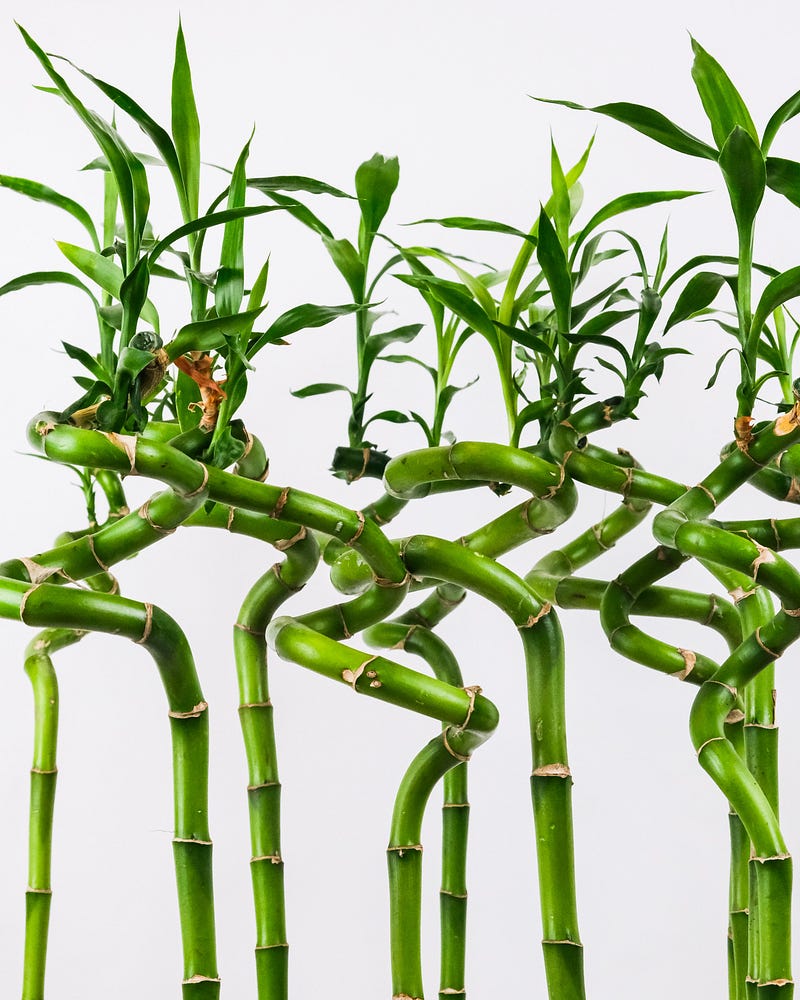
· Wood: green, upward growing plants, e.g., bamboo; tall furniture; artwork depicting forests; standing lamps
· Water: blue and black color spectrum; inorganic shapes; water features, e.g., fish tanks, water fountains; artwork depicting watery landscapes
· Metal: white and all metallic colors; metal frames and appliances; oval, circular, and curved shapes
To ensure that the associated element is dominant in the gua, you will need to consider how any of the other elements are also present because they each have both a constructive and destructive effect on some of the others.
How the elements affect each other.
Each element has a nourishing effect on one of the other elements, a controlling effect on another, and a destructive effect on one more.
While this may appear to be positive on the one hand and negative on another, it is neither.
In the natural world, everything has a purpose. Understanding how the elements affect each other helps us rebalance and harmonize their placement in our home.
Fire destroys wood but feeds earth. It also controls metal. So be careful about having fire elements in areas that are activated by wood or metal.
You definitely want to have fire element in Fame and Reputation. And it is also helpful in Health and Wellbeing, Relationships and Knowledge and Wisdom, as they are all earth guas — and earth is fed by fire.
Always be careful not to have too much fire — contain it just as you would an actual fire in your home.
Earth weakens fire and controls water. It feeds metal. So, while it can be helpful to have some fire elements in the earth guas, it is less helpful to have earth elements in Fame and Reputation.
But having some earth element in Helpful People/Travel and Creativity/New Beginnings will support the metal element in activating this gua.
Water feeds wood, destroys metal, and controls fire. So it follows that it’s helpful to have water symbolically represented in Family & Community and Wealth. And it is not so helpful to have it in Fame & Reputation, Creativity/New Beginnings, or Helpful People/Travel.
Wood feeds fire, weakens water, and controls earth. Therefore it’s not so helpful in Health & Wellbeing, Self-Development, Relationships or Career/Life Path. Conversely, it is helpful to have in Fame & Reputation.
Metal controls wood, weakens earth, and feeds water. In addition to having metal as the dominant element in Creativity/New Beginnings and Helpful People/Travel, it’s also helpful to have metal in Career/Life Path. Conversely, it’s not helpful to have too much metal in Health & Wellbeing, Relationships, Wealth, or Family & Community.
Now, if your kitchen happens to sit in one of these wood or earth-related areas, it’s likely to have many metal appliances in it. No need to panic — all can be balanced out with the symbolic representation of other elements.
Side note: in classical Feng Shui, the elements’ application can be complex, requiring precise amounts of an element to be placed in a particular part of your home. You’ll need the help of a professional in determining this.
Feng Shui is energy work, and intentionally placing items is integral to the practice.
The key is to be mindful of what aspect of your life is being nurtured and reflected in each part of your home. It is a metaphysical connection that we are choosing to acknowledge and support.
Have the basics in place — decluttered and easy circulation of energy — and then symbolically place elements, art, books, ornaments, etc., to signify your own energetic commitment to the process.
And enjoy it. Practicing Feng Shui helps us to recognize that our homes are sacred places in their own right. And this can benefit your well-being in ways you’d never imagined.
A version of this article was first published on hildacarroll.com


