

How to Win Big with the Secrets of Personalization Marketing
Highlights:
- Personalization is a powerful tool in marketing, increasing customer engagement and conversions.
- People-based marketing involves targeting individuals based on their unique characteristics and behaviors.
- Gathering and analyzing customer data is essential for effective personalized marketing campaigns.
Are you struggling to make a real connection with your clients through your marketing efforts?
The key to creating a successful marketing strategy is personalization. By segmenting your customers and using personalization marketing, you can create targeted and effective campaigns that resonate with your audience. Let’s explore the power of marketing personalization and provide examples of how businesses are using it to drive engagement and conversions.
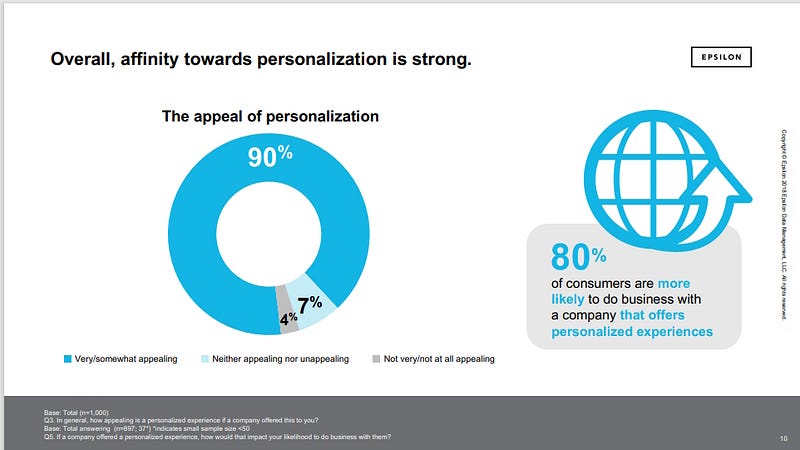
Per Epsilion’s 2018 research study:
80% of people prefer to do business with a company that offers personalized experiences.
Customer Targeted: The Power of People-Based Marketing
Once you have segmented your customers, you can use people-based marketing to effectively target each group with personalized messages. People-based marketing involves targeting individuals based on their unique characteristics and behaviors, rather than targeting them as part of a broader group.
For example, a hotel chain may use people-based marketing to target customers who have previously booked a room with them. By analyzing the customer’s past behavior and preferences, the hotel chain can create targeted promotions and offers that are more likely to resonate with the customer.
Sure, here are four ways to use people-based marketing:
- Targeted Advertising: People-based marketing involves targeting individuals based on their unique characteristics and behaviors. This can be done by analyzing customer data and creating targeted ads that are more likely to resonate with the individual.
- Personalized Messaging: Social media messaging allows businesses to create personalized conversations with their customers. By analyzing customer data and behavior, businesses can create tailored messages that resonate with their audience and drive engagement. This can include personalized recommendations, offers, and incentives that are more likely to lead to conversions.
- Content Personalization: Content personalization involves creating content that is targeted to the individual based on their behavior and preferences. This can include personalized product recommendations, content recommendations, and email campaigns that are tailored to each customer’s interests and preferences.
- Customer Segmentation: People-based marketing involves segmenting customers based on their unique characteristics and behaviors. By analyzing customer data, businesses can segment their customers into groups based on their interests, demographics, and behavior. This allows businesses to create targeted and personalized marketing messages that resonate with each group.
Social Media in People-Based Marketing
People-based marketing can be particularly effective when used in conjunction with social media advertising. Social media platforms like Facebook and Instagram allow businesses to target users based on demographic information, interests, and behaviors. This allows businesses to create ads that are more likely to resonate with their target audience.
Here are five examples of how people-based marketing is used in social media:
- Retargeting: Retargeting is a technique used to show ads to individuals who have previously interacted with your business or website. This is done by placing a retargeting pixel on your website, which tracks users who visit your site and shows them ads on social media. Retargeting allows you to create more personalized and effective ads that are targeted to individuals who have already shown an interest in your business.
- Lookalike Audiences: Lookalike audiences are created by analyzing the characteristics and behaviors of your existing customers and then finding new individuals on social media who share those same characteristics. This allows you to expand your reach and target new individuals who are more likely to be interested in your business.
- Custom Audiences: Custom audiences are created by uploading a list of customer data to social media platforms, which is then used to target those individuals with personalized ads. This can include email lists, website visitors, or individuals who have engaged with your social media content in the past.
- Dynamic Ads: Dynamic ads are personalized ads that show different products or content to different individuals based on their behavior and preferences. For example, an e-commerce company may show different products to individuals based on their past browsing behavior or purchase history.
- Personalized Messaging: Social media messaging allows businesses to create personalized conversations with their customers. By analyzing customer data and behavior, businesses can create tailored messages that resonate with their audience and drive engagement.
Overall, people-based marketing in social media involves using data and technology to create more personalized and effective marketing campaigns. By targeting individuals based on their unique characteristics and behaviors, businesses can increase their chances of reaching the right audience and driving conversions.
Types of Personalized Marketing
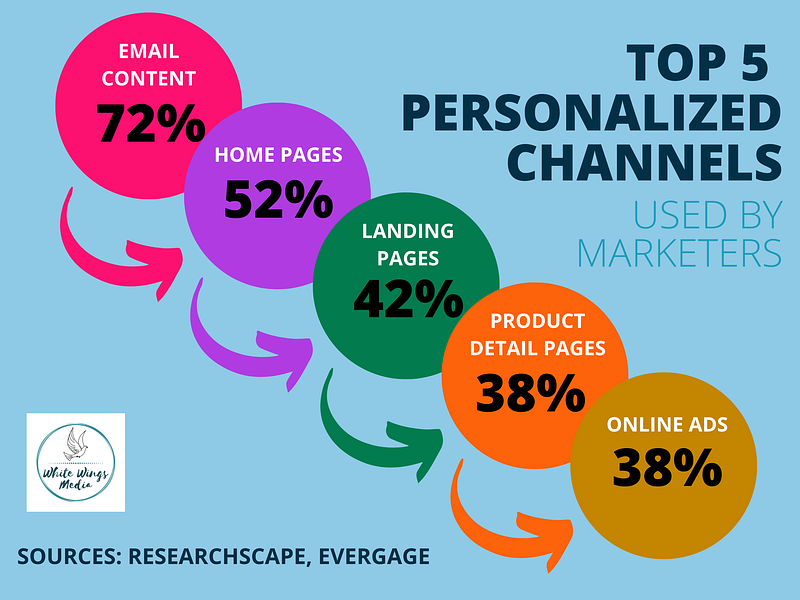
Different types of personalized marketing include:
- Personalized Email Marketing: Sending targeted email campaigns that are tailored to each customer’s interests and behavior. For example, a fashion retailer may send personalized emails that showcase products similar to ones the customer has previously purchased.
- Personalized Content Marketing: Creating and delivering content that is tailored to each customer’s interests and preferences. For example, a software company may create personalized blog posts that address the specific pain points of each customer.
- Personalized Product Recommendations: Using data to recommend products that are tailored to each customer’s preferences and behavior. For example, an online retailer may recommend products based on the customer’s browsing and purchase history.
- Personalized Advertising: Creating targeted ads that are tailored to each customer’s interests and behavior. For example, a travel company may use data to create targeted ads that showcase destinations the customer has previously shown an interest.
- Personalized Website Experience: Creating a personalized website experience that is tailored to each customer’s interests and behavior. For example, an e-commerce site may show product recommendations based on the customer’s browsing and purchase history.
Personalized Marketing Examples: Driving Engagement and Conversions
The power of marketing personalization is evident in the success of businesses that have implemented it effectively. Here are some examples of businesses that have used personalized marketing to drive engagement and conversions:
- Netflix uses personalized recommendations to keep users engaged and encourage them to watch more content. By analyzing the customer’s viewing history and behavior, Netflix creates personalized recommendations that are tailored to each user’s preferences.
- Amazon uses personalized product recommendations to drive sales and increase customer loyalty. By analyzing the customer’s browsing and purchasing history, Amazon creates personalized product recommendations that are more likely to lead to a purchase.
- Spotify uses personalized playlists and recommendations to increase engagement and retention on the platform. By analyzing the customer’s listening history and preferences, Spotify creates personalized playlists and recommendations that are tailored to each user’s taste.
- Coca-Cola uses personalized packaging to create a deeper connection with its customers. By printing customer names on Coke bottles, Coca-Cola creates a more personalized experience that resonates with its audience.
“Personalization is the future of marketing, and big data is the fuel that drives it.” — Kathleen Booth, VP of Marketing at Attila Security.
This post contains affiliate links, which means that if you click on one of the product links and make a purchase, I may receive a small commission at no additional cost to you.
Using Data for Personalized Marketing
There are many ways to gather data for personalized marketing, including website analytics, customer surveys, social media monitoring, email campaigns, customer feedback, and sales data. Tools like WebCEO can also help businesses segment their customers based on their behavior and preferences, allowing for more personalized marketing messages.
By gathering and analyzing data, businesses can create marketing campaigns that are more likely to drive engagement and conversions.
Here are seven ways to gather data for personalized marketing:
- Website Analytics: Website analytics tools like Google Analytics can provide insights into how visitors interact with your website. You can gather data on pageviews, bounce rate, time spent on site, and other metrics to understand how visitors navigate your website.
- Customer Surveys: Conducting customer surveys is a great way to gather data on customer preferences, behavior, and pain points. You can use this data to create more personalized marketing messages that resonate with your audience.
- Social Media Monitoring: Monitoring social media mentions of your brand can help you understand how customers are talking about your business. This information can be used to create more targeted social media campaigns.
- Email Campaigns: Email campaigns can provide data on customer behavior, such as open rates, click-through rates, and conversion rates. You can use this data to segment your email list and create more personalized messages for each group.
- Customer Feedback: Gathering feedback from customers through customer service interactions, reviews, and feedback forms can help you understand their needs and preferences. This information can be used to create more personalized marketing messages.
- Sales Data: Analyzing sales data can help you understand which products or services are most popular among your customers. This data can be used to create more targeted marketing messages that showcase these popular products.
- WebCEO: Using tools like WebCEO can help you segment your customers based on their behavior and preferences. You can track customer interactions with your website, email campaigns, and social media content to create more personalized messages that resonate with each group.
Overall, gathering data for personalized marketing involves using a variety of tools and techniques to understand your customers’ behavior and preferences. By analyzing this data, you can create more targeted and relevant marketing messages that drive engagement and conversions.
How WebCEO Can Help Your Personalization Marketing Efforts
WebCEO is an SEO and digital marketing platform that can help businesses increase their ROI using personalized marketing. Here are some ways that WebCEO can help:
1. Personalized SEO Reports: WebCEO allows businesses to create personalized SEO reports for each customer. By analyzing each customer’s website and identifying areas for improvement, businesses can create targeted and relevant SEO recommendations that can increase their search engine rankings and drive more organic traffic.
2. Keyword Research: WebCEO provides advanced keyword research tools that allow businesses to identify the specific keywords that their customers are searching for. By targeting these keywords in their content and advertising, businesses can create more personalized and effective marketing messages that resonate with their audience.
3. Social Media Management: WebCEO includes social media management tools that allow businesses to create and schedule personalized social media posts for each customer. By analyzing each customer’s social media behavior and preferences, businesses can create targeted and relevant social media content that drives engagement and builds stronger relationships with their customers.
4. Email Marketing: WebCEO allows businesses to create and send personalized email campaigns to each customer. By analyzing each customer’s behavior and preferences, businesses can create targeted email campaigns that are more likely to be opened and clicked on, leading to increased engagement and conversions.
Overall, WebCEO can help businesses increase their ROI by providing personalized marketing tools that allow them to create targeted and effective campaigns. By understanding their customers’ behavior and preferences, businesses can create messages that resonate with their audience and drive engagement and conversions.
Marketing personalization is a powerful tool that can help businesses create more engaging and effective marketing campaigns. Businesses can create targeted and relevant messages that resonate with their audience by segmenting customers, using people-based marketing, and providing personalized recommendations and promotions. So, what are you waiting for? Start revolutionizing your marketing strategy with the power of personalization today!
Sources:
- “The Power of Personalization in Marketing” by HubSpot: https://blog.hubspot.com/marketing/personalization-marketing
- “The Benefits of People-Based Marketing” by AdRoll: https://www.adroll.com/blog/marketing/the-benefits-of-people-based-marketing
- “5 Examples of Personalized Marketing Done Right” by Campaign Monitor: https://www.campaignmonitor.com/resources/guides/5-examples-of-personalized-marketing-done-right/
- “Personalized Marketing: Definition, Benefits, and Strategies” by Marketing Insider Group: https://marketinginsidergroup.com/content-marketing/personalized-marketing-definition-benefits-strategies/
- “What is People-Based Marketing and Why Does it Matter?” by AdRoll: https://www.adroll.com/blog/marketing/people-based-marketing
Hey there! If you found value in my content and would like to show your support, you can now “buy me a cup of coffee” by clicking the link. Your contribution helps me continue creating high-quality articles that you love! Thank you in advance for your generosity.


